

Securing the vast universe of IoT devices is one of the defining challenges of our digital era. In 2025, as decentralized wireless networks like DePIN Wireless and Helium continue to expand, blockchain technology has emerged as a cornerstone for robust, scalable security. This guide unpacks how blockchain is transforming the security landscape for IoT devices within decentralized wireless networks, offering both technical depth and real-world context.

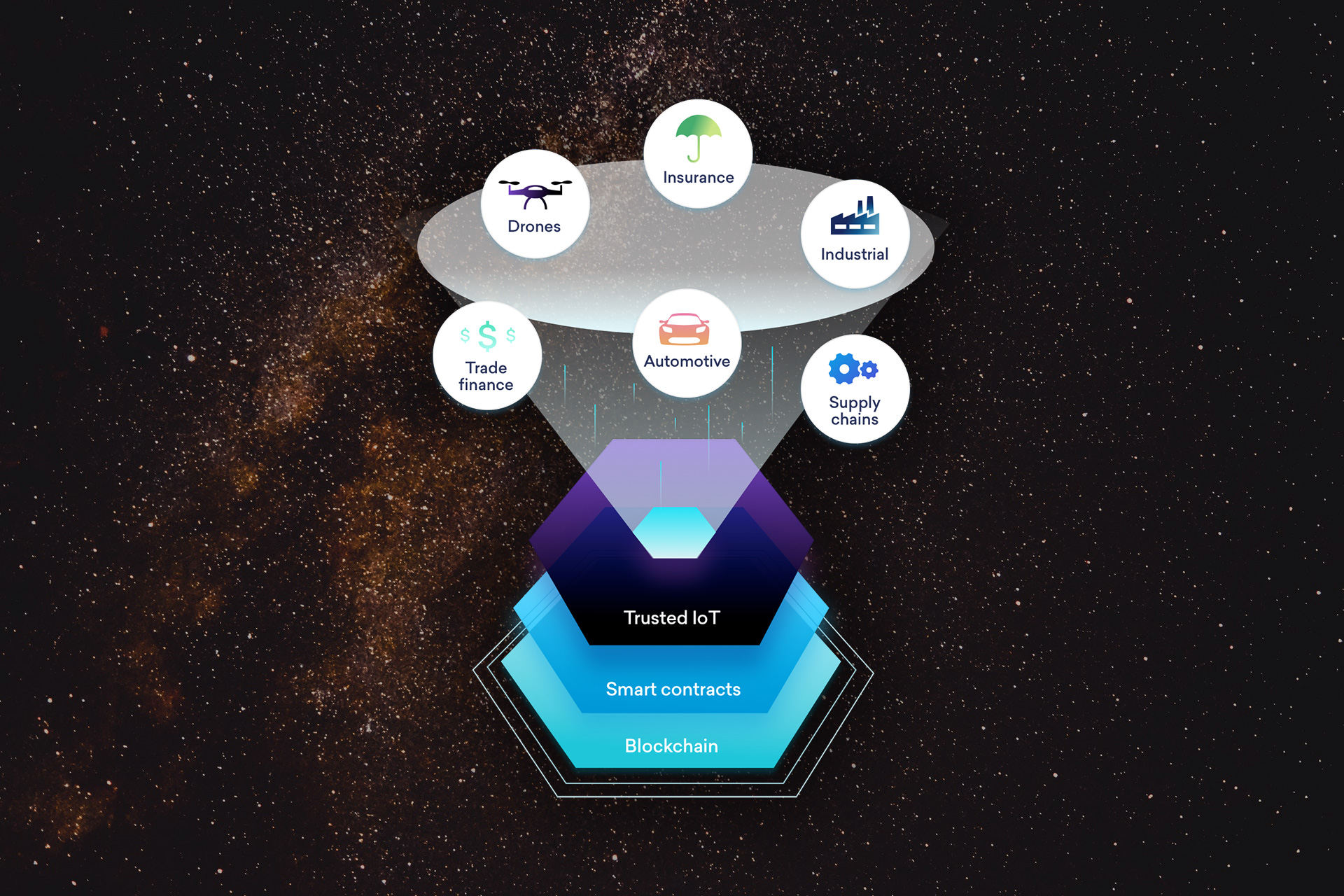
Why Traditional IoT Security Falls Short
Conventional IoT deployments often rely on centralized authentication servers and cloud-based management. While convenient, this model creates critical vulnerabilities: a single point of failure can compromise millions of devices at once. Attackers target these hubs to steal data or disrupt operations. With billions of sensors and endpoints projected to come online in 2025, the risks multiply exponentially.
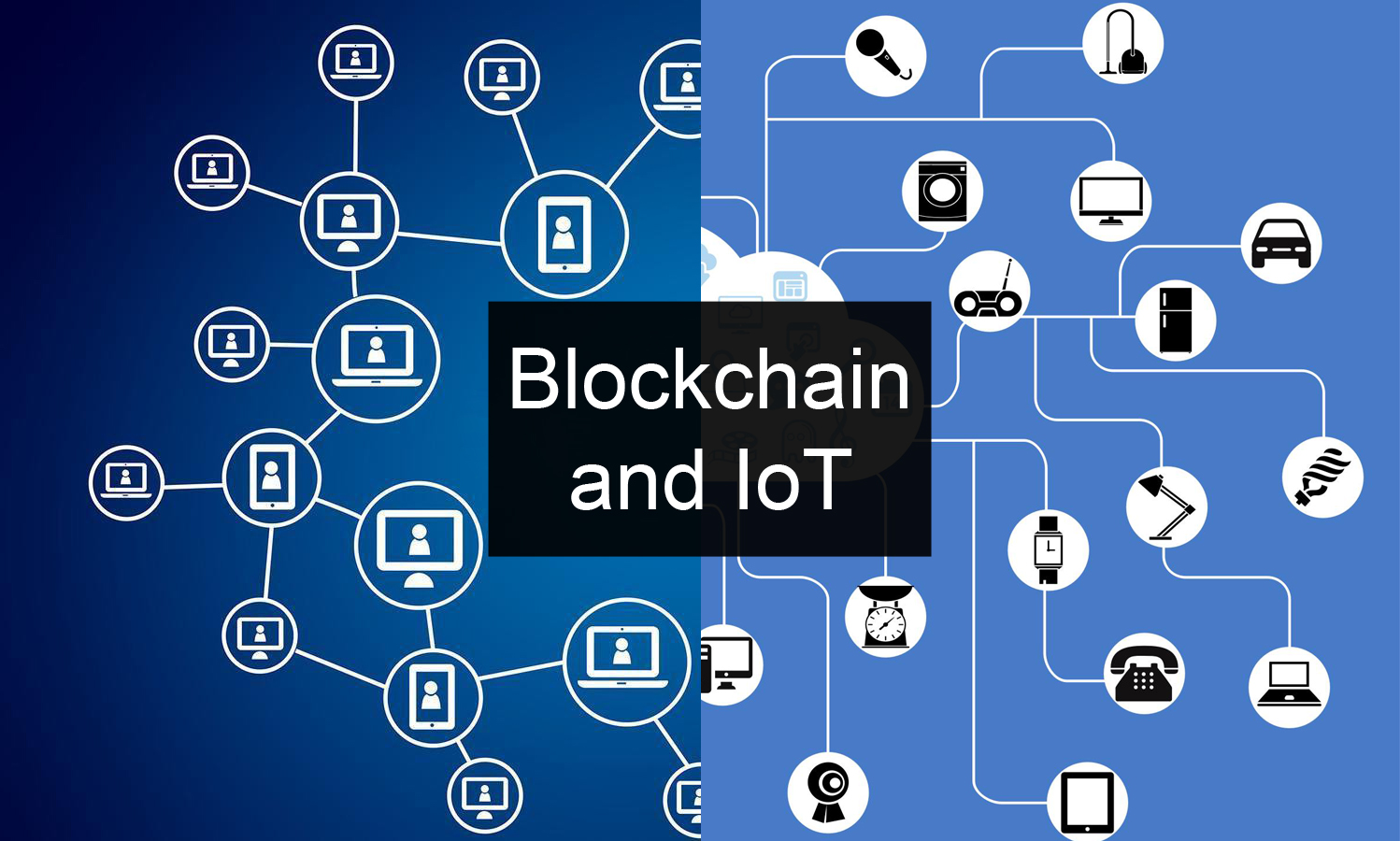
Blockchain upends this paradigm by distributing trust across a decentralized ledger. Instead of one vulnerable hub, each device participates in a collective system where no single party controls access or data flows. As highlighted by recent research in Nature and ScienceDirect, distributed security frameworks leveraging blockchain are now seen as essential for next-generation IoT networks.
Decentralized Authentication and Access Control
The first line of defense in any network is identity: who (or what) is allowed to connect? Blockchain enables every IoT device to have its own cryptographic identifier, verified through consensus rather than a central authority. This means that only authenticated devices can join or interact with the network, no more rogue sensors slipping through weak password gates.
A practical example comes from IBM’s Watson IoT platform, which integrates blockchain for secure device onboarding and peer-to-peer authorization. By eliminating centralized control, it drastically reduces attack surfaces and helps prevent large-scale breaches that have plagued traditional IoT ecosystems.
Tamper-Proof Data Logging and Integrity
Data integrity is non-negotiable for mission-critical applications like smart cities or healthcare monitoring. Blockchain’s immutable ledger guarantees that once information is logged, whether it’s sensor readings or access events, it cannot be altered or deleted without detection. This transparency builds trust among stakeholders and deters malicious actors who might otherwise manipulate records undetected.
For instance, consider an industrial sensor network monitoring temperature in real time: each reading is recorded as a transaction on the blockchain. Auditors can verify the entire chain of custody instantly, making fraud nearly impossible. Recent reviews published by Frontiers and SpringerLink confirm that tamper-proof logging via distributed ledgers is now standard practice for high-security IoT deployments.
Securing Communication in Decentralized Wireless Networks
The value of decentralized wireless networks lies not just in coverage but also in resilience against cyber threats. Blockchain facilitates secure peer-to-peer communication using encrypted channels, no need for vulnerable central relays that can be intercepted or disabled by attackers.
A standout innovation here is the use of smart contracts to automate trustless exchanges between devices. For example, Helium’s global LoRaWAN infrastructure leverages blockchain-backed incentives so that only legitimate hotspots participate in relaying data packets, rewarding good actors with tokens while penalizing bad behavior automatically.
This approach isn’t just theoretical: studies published in leading journals show dramatic reductions in de-authentication attacks and eavesdropping incidents when blockchain-based protocols are deployed across DePIN Wireless systems.
Integrating Blockchain with AI and Edge Computing
Security is only as strong as the most dynamic threat. In 2025, IoT networks are increasingly combining blockchain with artificial intelligence (AI) and edge computing to outpace attackers. Decentralized frameworks powered by federated learning allow devices to train security models locally, never exposing raw data to a central server. This preserves privacy while enabling rapid detection of anomalies or cyberattacks, such as DDoS events. Blockchain’s immutable ledger then coordinates the secure aggregation of these models using homomorphic encryption, so devices can collaborate without trust assumptions or single points of compromise.
What does this mean in practice? Imagine a smart grid where energy meters collaboratively detect fraud or tampering in real time, each device contributes insights without ever sharing sensitive usage data. The result: faster threat response, reduced resource consumption, and enhanced privacy for end users.
Real-World Impact: Helium and the Rise of DePIN Wireless Security
Decentralized wireless networks like the Helium Network are not just theoretical case studies, they’re operational proof that blockchain-secured IoT is viable at scale. By incentivizing individuals to deploy hotspots that form a global LoRaWAN mesh, Helium distributes both control and risk across thousands of independent operators. Devices use the network by burning Helium Network Tokens (HNT) for data credits, while hotspot owners earn rewards for honest participation.
This tokenized approach does more than encourage network growth, it creates a self-healing system where malicious actors have little incentive to disrupt operations. The decentralized ledger ensures every transaction (from device onboarding to data transmission) is auditable and tamper-proof. As more networks adopt these principles, expect security standards across DePIN Wireless ecosystems to rise dramatically.
Top Real-World Blockchain IoT Applications (2025)
-
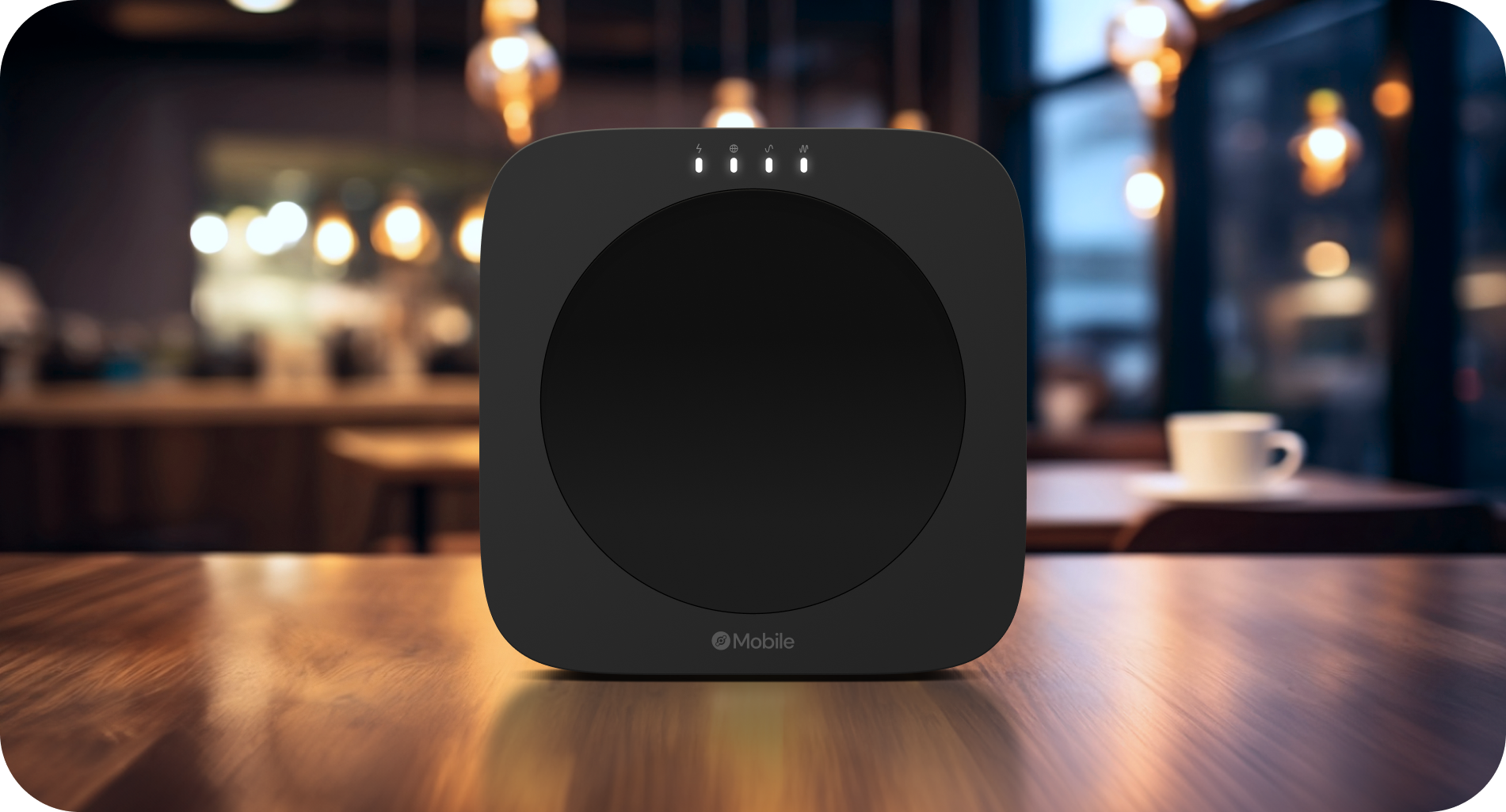
Helium Network – The Helium Network is a decentralized wireless network powered by blockchain. It incentivizes individuals to deploy hotspots, creating global LoRaWAN coverage for IoT devices. Hotspot owners earn Helium Network Tokens (HNT), while devices pay for secure, decentralized data transmission.
-

IBM Watson IoT Platform with Blockchain – IBM’s Watson IoT Platform integrates blockchain for secure device authentication and tamper-proof data sharing. This ensures that only authorized IoT devices can access the network, protecting industrial and enterprise IoT ecosystems.
-
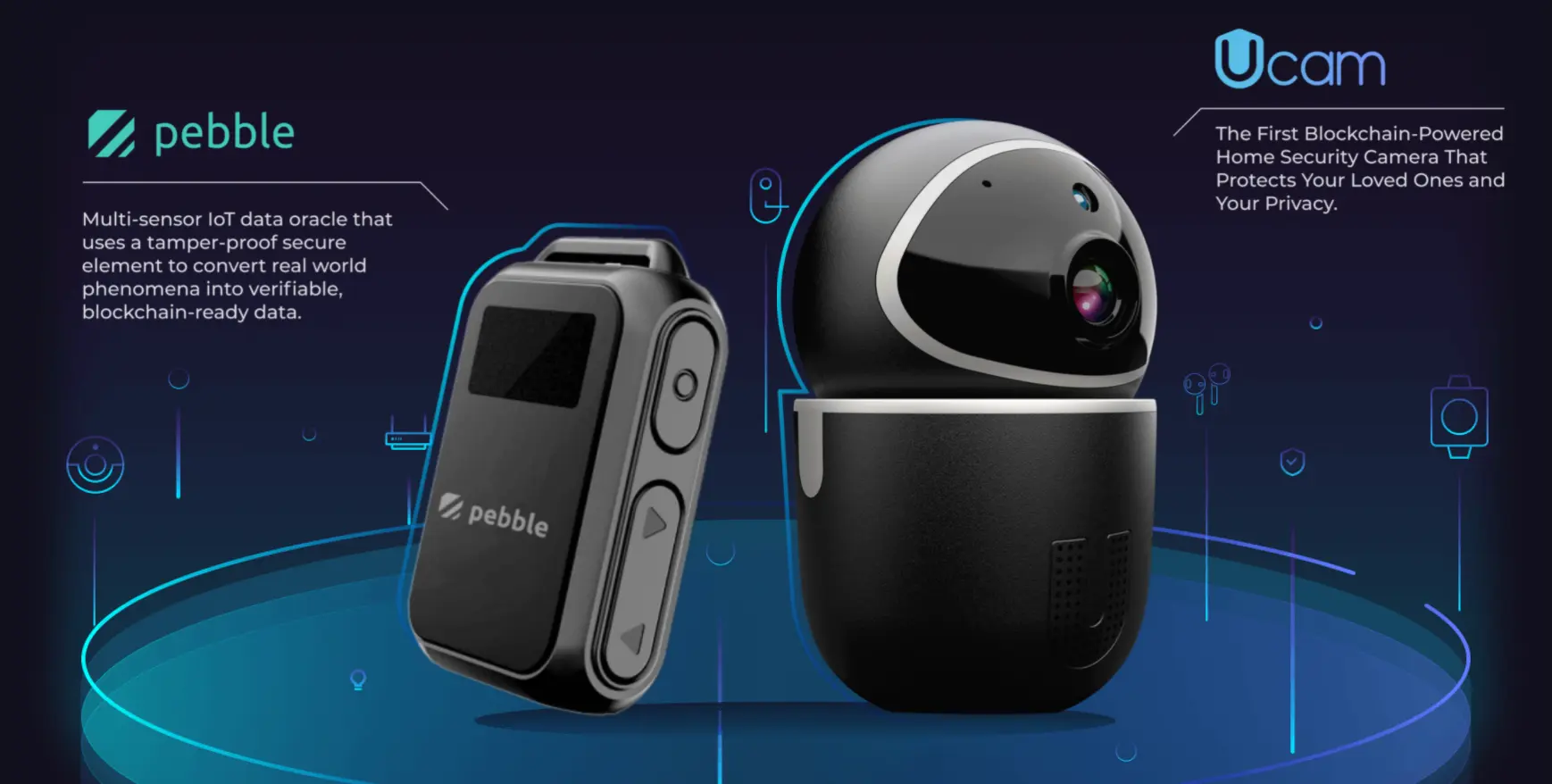
IoTeX – IoTeX is a blockchain platform designed specifically for IoT. It enables privacy-preserving, decentralized device identity and secure data exchange, with real-world deployments in supply chain tracking and smart home automation.
-

VeChain – VeChain leverages blockchain to provide end-to-end supply chain transparency for IoT-enabled logistics. Its platform is used by major brands to verify product authenticity and track shipments securely using IoT sensors.
-
Filament – Filament offers blockchain-based solutions for secure machine-to-machine (M2M) communication in industrial IoT. Their technology enables autonomous devices to transact and share data over decentralized wireless networks.
Challenges Ahead and What’s Next
No technology is without hurdles. Scalability remains a concern as millions of new devices join decentralized wireless networks each month. Blockchains must evolve, through innovations like sharding or layer-two protocols, to keep pace with transaction volumes without sacrificing speed or cost-effectiveness. Interoperability between different blockchains and legacy systems is another frontier ripe for innovation.
Yet optimism prevails: open-source communities are rapidly iterating on solutions like cross-chain bridges and lightweight consensus mechanisms tailored for resource-constrained devices. Regulatory clarity around data sovereignty and privacy will further accelerate enterprise adoption in healthcare, logistics, smart cities, and beyond.
How to Get Involved
The decentralized wireless revolution is still unfolding, and there’s room for everyone from developers to investors to everyday users curious about blockchain IoT security. Whether you’re deploying your first Helium hotspot or building next-gen applications atop secure DePIN Wireless infrastructure, now is the time to engage with this vibrant ecosystem.
If you’re interested in diving deeper into how IoT and blockchain are creating secure decentralized wireless networks in 2024 (and beyond), check out our comprehensive guide here.
About the Author