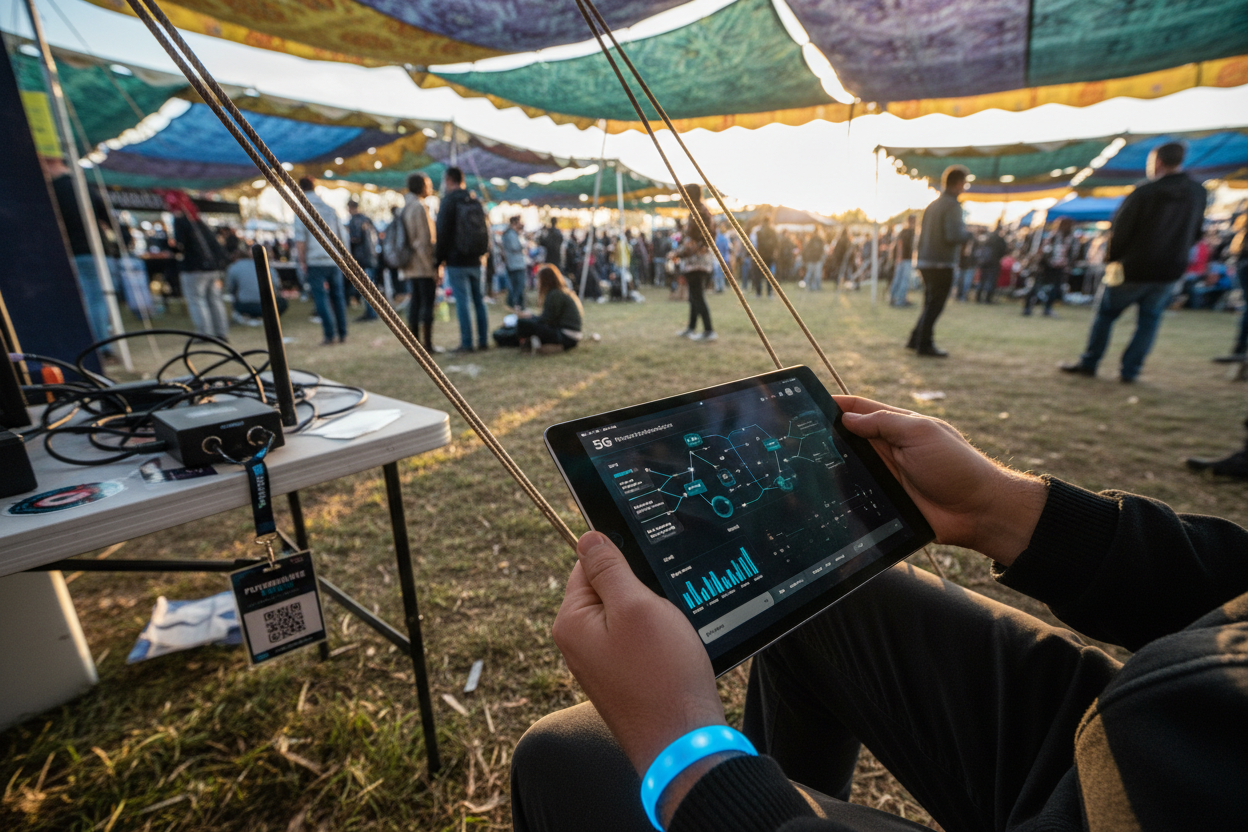
In the wake of Verizon's massive nationwide outage, which stemmed from a simple software glitch and left millions disconnected, the telecom world is facing a stark reality check. Centralized networks, long the backbone of our connectivity, are proving brittle under pressure. Enter Weaver Labs and their Cell-Stack platform, a beacon of innovation in DePIN 5G networks. This software orchestration tool is redefining how we build decentralized telecom infrastructure, promising to prevent 5G outages through smart, shared resources and blockchain integration.
Traditional telecom giants pour billions into towers and spectrum, yet a single point of failure cascades into chaos. Verizon's incident, blamed on a software issue, disrupted services from emergency calls to business operations. Analysts point to over-reliance on monolithic systems as the culprit. This vulnerability isn't isolated; history brims with similar blackouts, from AT and amp;T meltdowns to regional blackspots during peak events. In high-stakes environments like stadiums or ports, where demand spikes unpredictably, these failures hit hardest.
The Rising Demand for Resilient Connectivity
5G's promise of ultra-low latency and massive device support hinges on reliability, yet centralized models struggle with scalability. Political and security discussions amplify the urgency: nations eye sovereign networks amid geopolitical tensions. Weaver Labs recognizes this shift, positioning Cell-Stack as the orchestration layer that telecoms need to adapt. By enabling private network owners to deploy, monitor, and monetize infrastructure effortlessly, it bridges the gap between legacy systems and future-proof designs.
What sets Weaver Labs Cell-Stack apart? It's built for the Telco Cloud era, optimizing OpenRAN technology for private 5G in dense settings. Telecoms can now share underutilized capacity via blockchain, powered by the Adeno Token. This incentivizes participation, turning idle spectrum into revenue streams while distributing risk. No longer do outages propagate network-wide; resilience emerges from a web of interconnected, on-demand nodes akin to blockchain wireless hotspots.
Cell-Stack in Action: Tackling High-Density Challenges
Weaver Labs isn't theorizing; they're delivering. In the Liverpool City Region High Demand Density project, they partnered with Qualcomm to automate 5G OpenRAN at the M and amp;S Bank Arena. This deployment slashed coverage gaps and boosted economic viability, handling concert crowds without a hitch. Spectators streamed in real-time, free from the buffering woes of yesteryear. The platform's edge-cloud architecture dynamically allocates resources, ensuring seamless handover between cells.
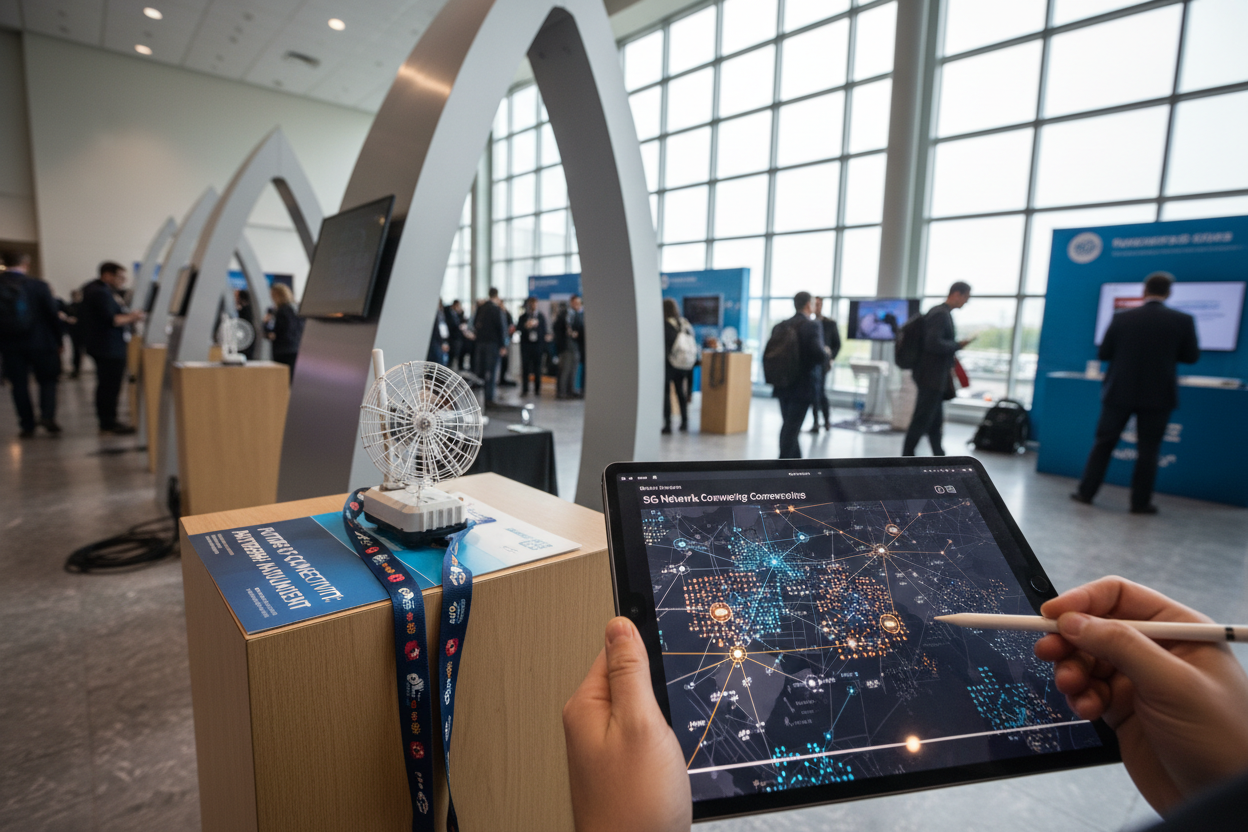
The London Fixed Wireless Access Trial further showcases Cell-Stack's prowess. In a bustling urban core, it rolled out indoor connectivity via edge-based OpenRAN private networks. Traditional fiber trenching? Obsolete. Instead, software-defined radios adapt to traffic, slicing spectrum for enterprises like healthcare and manufacturing. Verizon's Innovation Lab echoes this trend, touting private 5G for next-gen industries, but Weaver Labs adds decentralization to sidestep outage pitfalls.
Helium's success bolsters the case. Migrating to Solana for 5G hotspots, they've hit 2 million daily connections, disrupting telecom costs with DePIN 5G networks. Hotspots in 170 countries prove individuals can contribute to global coverage. Weaver Labs scales this ethos to enterprises, where decentralized telecom infrastructure means monetizing assets peer-to-peer. Imagine ports sharing maritime bandwidth or factories pooling IoT slices; Cell-Stack makes it viable.
Why Decentralization is Telecom's Next Frontier
Centralized outages expose a deeper flaw: inefficiency. Towers sit idle 90% of the time, while peak surges overwhelm them. Blockchain flips this script, enabling trustless sharing. Adeno Token rewards providers, fostering a marketplace for connectivity. This isn't just resilient; it's economical. Projects like Liverpool demonstrate ROI through automation, reducing ops costs by optimizing radio units on-the-fly.
For investors eyeing DePIN, Weaver Labs stands out. Their focus on private networks aligns with regulatory pushes for OpenRAN, mandated in strategies worldwide. As Helium disrupts consumer mobile, Cell-Stack targets B2B, fortifying against failures that cripple economies.
Picture a world where telecom outages become relics of the past. Weaver Labs Cell-Stack engineers that future by distributing control across a mesh of software-defined nodes. When one falters, others seamlessly compensate, much like blockchain's consensus mechanisms. This isn't mere redundancy; it's intelligent orchestration that anticipates demand surges and reroutes traffic proactively. In ports handling container ships or arenas hosting global events, such foresight translates to uninterrupted operations, safeguarding revenue and safety.
Monetizing Resilience with Adeno Token
The magic lies in Weaver Labs' integration of blockchain via the Adeno Token. Private network owners, from enterprises to municipalities, can now offer spare capacity in a decentralized marketplace. Need extra bandwidth for a stadium sellout? Tap into nearby resources instantly. This peer-to-peer model slashes deployment costs, which often exceed millions for traditional setups, and opens doors for smaller players. Helium's blockchain wireless hotspots paved the way for consumers; Cell-Stack elevates it for industrial-scale DePIN 5G networks.
Consider the economics. Conventional 5G private networks demand hefty upfront investments in hardware. Cell-Stack flips this with cloud-native orchestration, automating radio resource management. Operators report up to 40% reductions in operational expenses through dynamic slicing and sharing. During the Liverpool project, this meant covering 20,000 seats with minimal infrastructure, proving decentralized telecom infrastructure isn't just resilient but profitable. As regulatory bodies worldwide champion OpenRAN, Weaver Labs positions itself at the intersection of policy and innovation.
Comparison of Traditional Telecom vs. Cell-Stack DePIN 5G Networks
| Metric | Traditional Telecom | Cell-Stack DePIN |
|---|---|---|
| Outage Risk | High | Low |
| Cost Efficiency | Low | High |
| Scalability | Limited | Unlimited |
| Deployment Time | Months | Days |
Security adds another layer of appeal. Centralized systems are hacker magnets, single points for ransomware or state-sponsored attacks. Decentralization disperses this risk, with blockchain ensuring tamper-proof transactions and access controls. In an era of rising cyber threats, prevent 5G outages DePIN strategies like Cell-Stack offer peace of mind. Verizon's software glitch might have been benign, but imagine it exploited; distributed architectures mitigate such nightmares.
Enterprise Wins: From Manufacturing to Maritime
Verizon Business highlights private 5G's role in healthcare and manufacturing, yet overlooks decentralization's edge. Weaver Labs fills that void. Factories deploy Cell-Stack for real-time IoT monitoring, where robots coordinate flawlessly amid thousands of sensors. Ports leverage it for vessel tracking, sharing spectrum across operators to handle peak cargo volumes. These aren't hypotheticals; the London trial validated indoor performance rivaling fiber, all without digging up streets.
Helium Mobile's 2 million daily connections underscore DePIN's momentum. By 2025, their hotspots were upending costs, and Weaver Labs builds on this for B2B. Investors take note: as 5G adoption accelerates, demand for orchestration software will explode. Cell-Stack's compatibility with Solana-like blockchains ensures scalability, handling transactions at speeds legacy telcos envy.
Challenges remain, of course. Spectrum allocation varies by region, and interoperability standards evolve. Yet Weaver Labs navigates these with partnerships like Qualcomm, embedding automation that future-proofs deployments. Their Telco Cloud focus aligns with global shifts toward software-defined networks, where agility trumps rigidity.
Ultimately, Weaver Labs isn't just patching telecom's flaws; they're architecting a new paradigm. DePIN 5G networks like Cell-Stack promise connectivity that's as unbreakable as it is boundless. For tech leaders and investors, this is the moment to engage. The next outage might be the last catalyst needed, but with innovations like these, we'll look back on centralized eras as a quaint interlude in wireless evolution. Resilient, shared, and decentralized: that's the 5G tomorrow Weaver Labs is weaving today.

No comments yet. Be the first to share your thoughts!