

In the sprawling ecosystem of decentralized physical infrastructure networks (DePIN), Helium stands as a beacon of ambition, promising vast IoT connectivity through crowdsourced hotspots. Yet, as HNT trades at $0.9496 amid a 24-hour dip of $0.0333, skepticism lingers. Critics, from Medium audits to Resonance Security reports, decry fake hotspots as a plague that could erode network reliability and investor trust. Enter Proof-of-Coverage (PoC), Helium’s ingenious safeguard, leveraging radio frequency physics to separate genuine deployments from digital mirages.
Helium’s journey hasn’t been smooth. Early salvos in SEC lawsuits targeted its coverage map as “fake, ” while SevenX Ventures questioned if DePIN is false hope. With over 43,000 5G hotspots and migration to Solana boosting efficiency, the network now fields sophisticated defenses. PoC isn’t mere theory; it’s a battle-tested protocol ensuring hotspots deliver real-world coverage, not illusory rewards.
Decoding Proof-of-Coverage: Radio Waves as Truth Serum
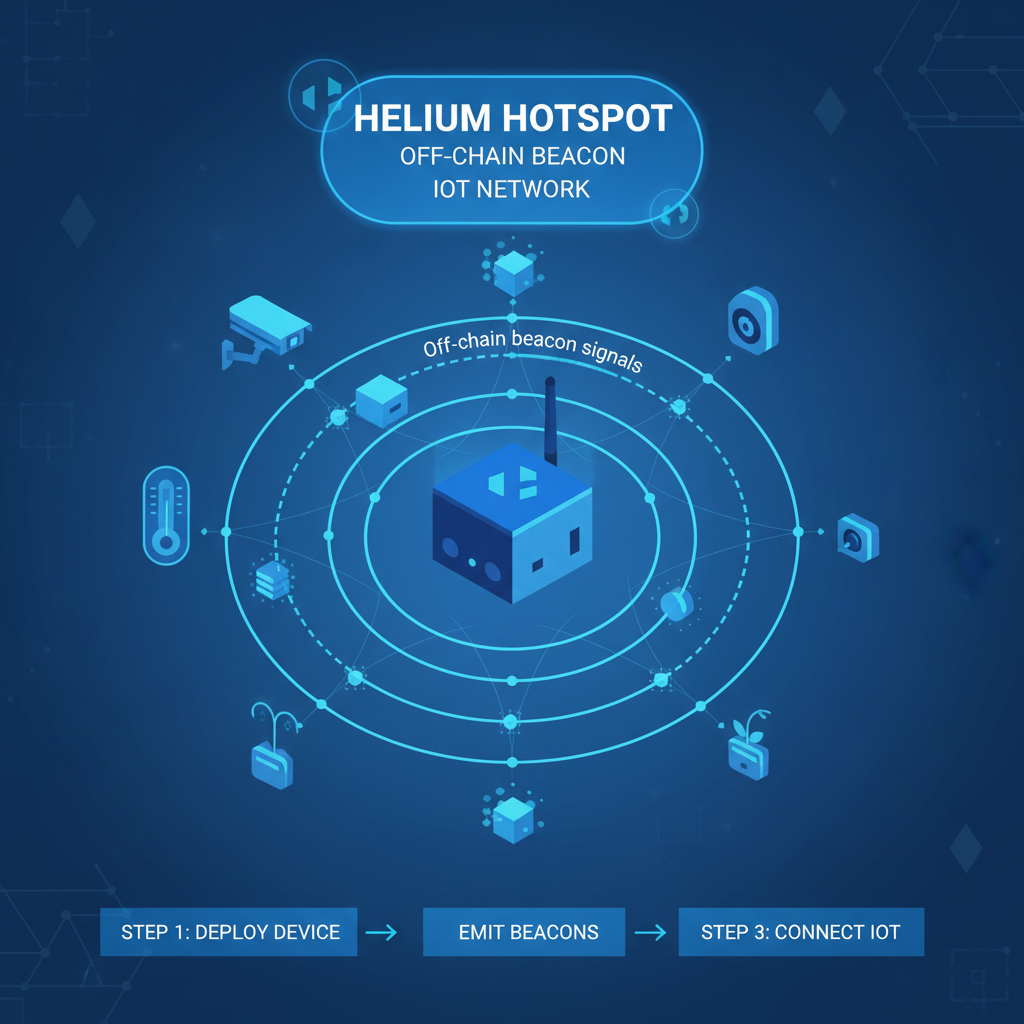
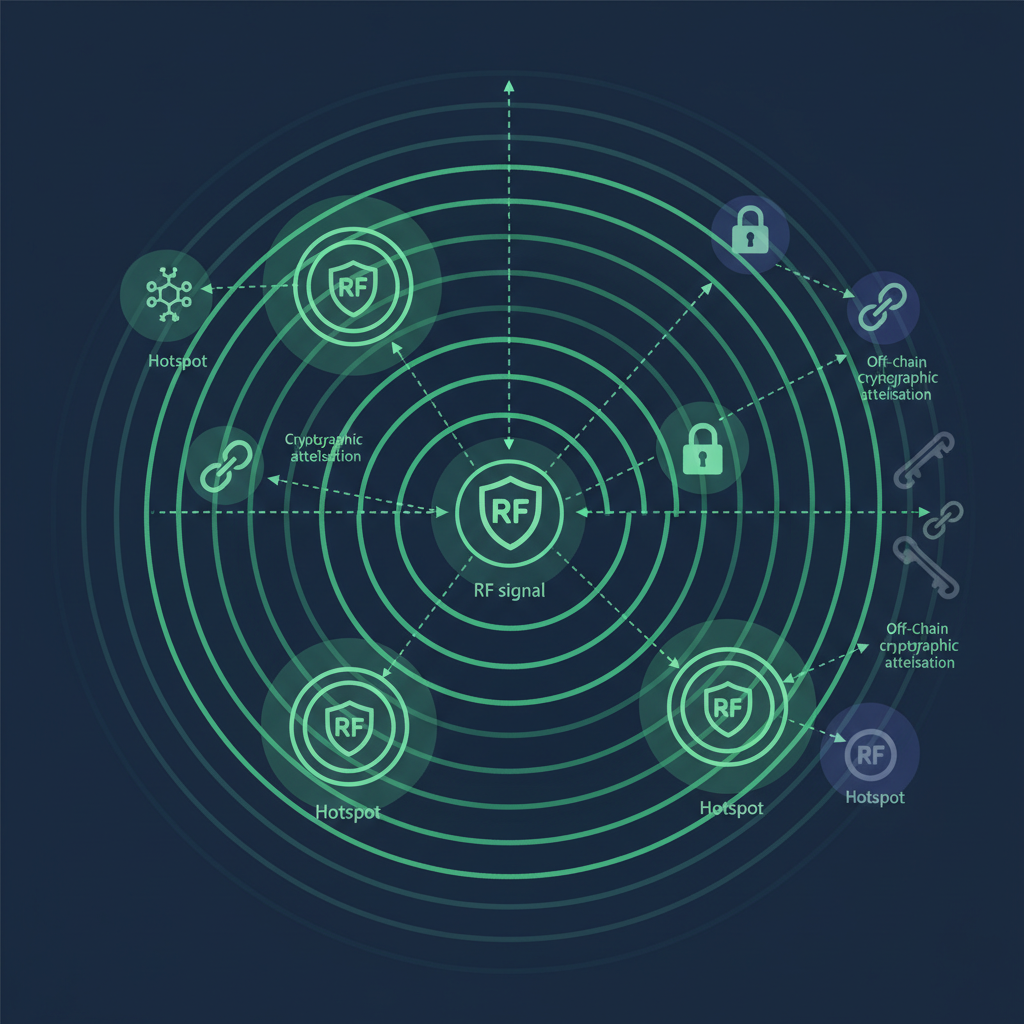
At its core, Proof-of-Coverage helium exploits the unforgiving nature of RF propagation. Hotspots broadcast beacons, low-power signals that nearby peers witness. These interactions form a cryptographic puzzle: signal strength decays predictably with distance, terrain, and obstacles. A witness too far away, or impossibly strong across a mountain as MNTD notes, flags fraud.
Unlike simplistic GPS checks, PoC demands physical proof. Hotspots challenge each other randomly, with witnesses validating receipt via blockchain-anchored challenges. This creates a web of verifiable attestations, where helium depin iot verification hinges on physics, not promises. Fake hotspots – clustered devices spoofing locations or virtual phantoms – crumble under scrutiny, as anomalous witness patterns betray them.
Helium’s PoC forces sub-networks to compete; you can’t just spin up a million fakes without real data burn and users.
This mechanism scales elegantly. In dense urban grids or remote wilds, PoC adapts, rewarding honest operators while starving cheaters of HNT emissions.
Legitimate vs. Fake Hotspot Behaviors and Proof-of-Coverage (PoC) Countermeasures
| Issue | Fake Hotspot Behaviors ❌ | Legitimate Hotspot Behaviors ✅ | PoC Countermeasures 🛡️ |
|---|---|---|---|
| Clustering | Racks of hotspots in one physical location (e.g., data centers) to game rewards | Organic geographic distribution across diverse locations | Geometric validation (analyzes beacon-witness distances for anomalies), Witness density analysis (detects unnatural concentrations) |
| Location Spoofing | GPS coordinates hacked/spoofed, but RF signals reveal true clustered positions | Accurate locations validated by RF propagation (limited range, predictable signal decay) | RF validation (verifies physical proximity via signals), Denylist alerts (weekly updates, removable after correction), Self-beacons (Off-Chain PoC for reliable, regular events) |
Consider the data burn dynamic from Artem Teplov’s audit: fakes alone yield no value without genuine ($D$) usage. PoC enforces this symbiosis, curbing decentralized wireless coverage proof abuses that plagued early days.
Denylist Dynamics: Purging the Network of Phantoms
Helium’s denylist embodies proactive governance. Hotspots exhibiting invalid witnesses – think signals defying terrain or improbable ranges – land here, halting rewards until remediation. Operators can appeal and delist post-fix, fostering accountability without central fiat.
As of now, with HNT at $0.9496 reflecting market caution, this tool underscores Helium’s maturity. Gate. com critiques highlight network roles: hardware owners, challengers, witnesses. PoC binds them, ensuring helium 5g network validation isn’t hype but hardened reality. Bad actors peddling fake WiFi, as Resonance warns, collect dust while legit builders scale.
Helium (HNT) Price Prediction 2027-2032
Realistic forecasts based on Proof-of-Coverage enhancements, DePIN IoT adoption, current stabilization at $0.95, and yearly target of $2.50 for 2026
| Year | Minimum Price (USD) | Average Price (USD) | Maximum Price (USD) | YoY Growth (Avg from Prior Year) |
|---|---|---|---|---|
| 2027 | $2.00 | $3.50 | $5.00 | +40% |
| 2028 | $2.50 | $5.00 | $8.00 | +43% |
| 2029 | $3.50 | $7.00 | $12.00 | +40% |
| 2030 | $5.00 | $10.00 | $16.00 | +43% |
| 2031 | $7.00 | $14.00 | $22.00 | +40% |
| 2032 | $9.00 | $20.00 | $30.00 | +43% |
Price Prediction Summary
HNT is expected to experience steady growth post-2026, with average prices climbing from $3.50 to $20.00 by 2032 in bullish DePIN adoption scenarios. Minimums reflect bearish market cycles or regulatory hurdles, while maximums assume strong network integrity and IoT expansion, yielding 5-6x returns for long-term holders.
Key Factors Affecting Helium Price
- Proof-of-Coverage (PoC) and Off-Chain PoC improvements preventing fake hotspots and enhancing network trust
- Denylist mechanisms excluding fraudulent devices, ensuring real coverage and user data burning
- DePIN adoption growth, including 5G hotspots deployment (over 43,000 as of early 2024) and sub-network competition
- Resolution of regulatory issues like SEC lawsuits, fostering investor confidence
- Broader crypto market cycles, IoT use case expansion, and competition from other DePIN projects
- Market cap potential with realistic technical patterns from current $0.95 baseline
Disclaimer: Cryptocurrency price predictions are speculative and based on current market analysis.
Actual prices may vary significantly due to market volatility, regulatory changes, and other factors.
Always do your own research before making investment decisions.
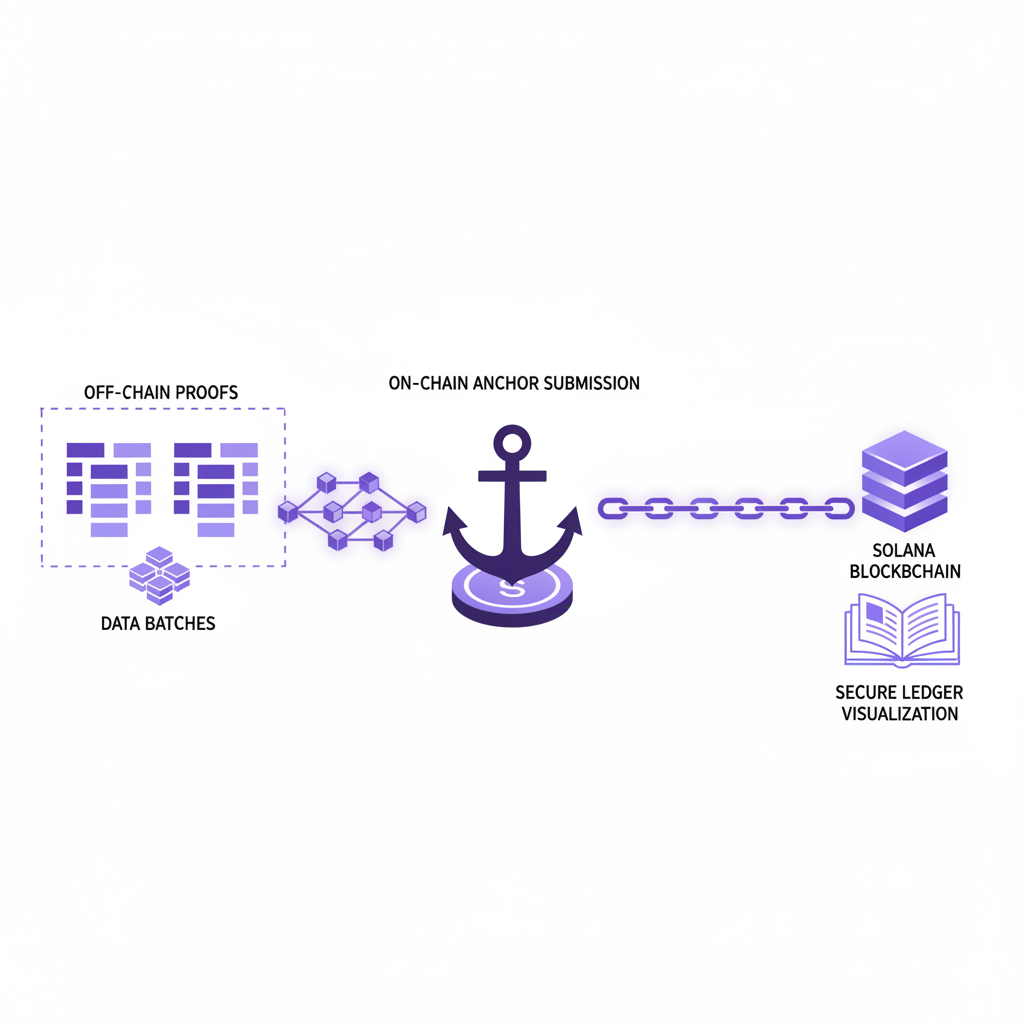
Off-Chain Proof-of-Coverage marks a pivotal evolution, allowing hotspots to self-beacon at set intervals without on-chain bloat. This streamlines verification, as witnesses still cryptographically attest to receptions, tightening the noose on fakes that struggle to mimic organic RF patterns consistently.
Evolution of Off-Chain Proof-of-Coverage: Safeguarding Helium from Fake Hotspots
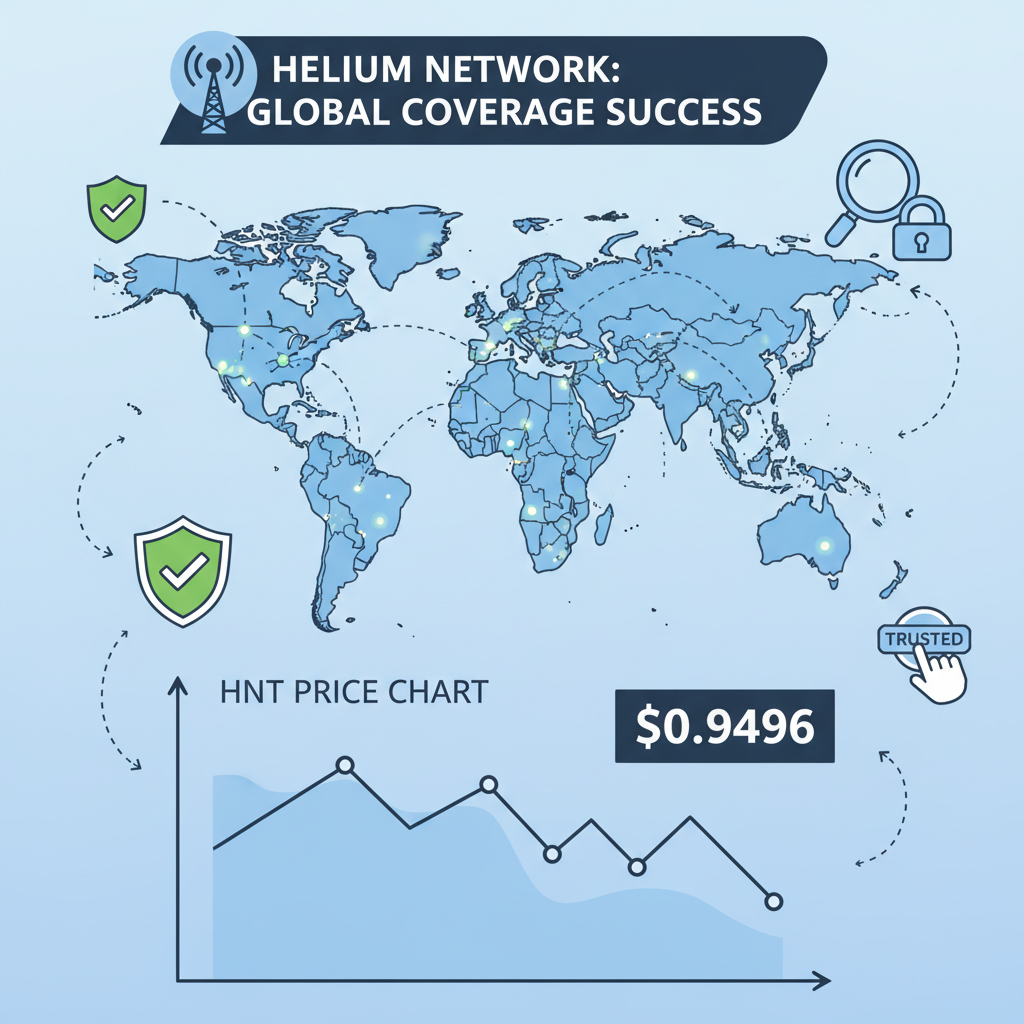
Real-world impact shines in denylist stats. Invalid witnesses, often terrain-defying signals per MNTD analysis, trigger automatic flags. Operators fix antenna placements or relocate, rejoining the fray. This meritocracy weeds out the weak, ensuring fake hotspots prevention isn’t punitive but preservative of network value.
Yet PoC isn’t infallible. Dense urban spoofing or advanced GPS jammers pose edge risks, but Helium iterates. Geometric validation cross-checks witness triangles against earth curvature models, exposing linear impossibilities. Witness score algorithms penalize outliers, favoring probabilistically sound proofs. In essence, decentralized wireless coverage proof emerges as a physics-enforced consensus, far beyond token incentives.

Proof-of-Coverage: Legitimate Rural Hotspots vs. Fraudulent Urban Racks
| Aspect | Legitimate Rural Hotspots 🌾✅ | Fraudulent Urban Racks 🏙️🚨 |
|---|---|---|
| Witnessing | Sporadic authentic witnesses based on RF propagation limits 📡 | Over-witnessing due to clustered devices ignoring distance decay ❌ |
| Rewards | Steady HNT at $0.9496 post-$0.9828 high, sustained by real $D burn 💰 | Inflated initially but collapse without real $D burn 📉 |
| Detection/Outcome | Verifiable fixes allow removal from weekly denylist 🔄 | Weekly denylist additions, excluded from network 🔴 |
| IoT Reliability | Reliable coverage for real users and devices 🏞️📶 | False data and spoofed locations degrade network ⚠️ |
| Audits | Artem Teplov (post-Solana): forces real $D competition 📊 SevenX: 43k+ real 5G hotspots ✅ |
Resonance Security: identifies fake hotspot bubbles 🎈❌ |
Looking ahead, as DePIN matures, Helium’s PoC sets the standard. Integration with 5G slicing and WiFi offload amplifies stakes; helium 5g network validation now demands unassailable proofs. With HNT at $0.9496 embodying cautious optimism, investors eye PoC-driven adoption. Builders stack real antennas, data flows, rewards compound. The network hardens, coverage maps solidify, and decentralized wireless edges toward inevitability.
In this arena, physics trumps hype. Helium doesn’t just promise connectivity; it enforces it, one verified beacon at a time.
About the Author