

In the evolving landscape of decentralized wireless networks, Helium’s carrier offload program stands out as a game-changer, enabling major telecoms like AT and T and T-Mobile to route data traffic through community-owned hotspots. As of February 2026, with HNT trading at $0.9702, the network boasts over 380,000 active hotspots worldwide, powering decentralized 5G coverage and helium iot network expansion. This surge, marked by a 138.5% quarter-over-quarter increase in data offloading to 2,721 terabytes in Q2 2025, underscores how blockchain is reshaping connectivity costs and incentives.


Carrier offload works by diverting mobile data from congested cellular towers to Helium Mobile hotspots, leveraging their backhaul internet connections. Subscribers from multiple carriers connect seamlessly during the beta phase, enhancing service quality while hotspots earn rewards. This isn’t just theoretical; it’s a practical solution for DePIN wireless 2026, where telecoms burn HNT to mint Data Credits for usage, permanently reducing supply and driving token scarcity.
Decoding the Carrier Offload Mechanics
At its core, helium carrier offload redirects smartphone data traffic through nearby hotspots instead of traditional towers. Imagine your phone, mid-stream, switching to a neighbor’s Helium device for smoother bandwidth. Hotspots validate this transfer via Proof-of-Coverage, ensuring reliable, carrier-grade performance. Messari highlights how this program lets MNOs and MVNOs optimize networks, cutting capex on new infrastructure. For hotspot owners, it’s a dual revenue stream: subscriber plans plus offload data fees, all settled on-chain.
Helium’s architecture shines here, blending cellular and LoRaWAN for IoT alongside 5G. With over 4,500 5G radios in more than 2,000 U. S. cities, coverage gaps are closing fast. This setup positions Helium as a resilient alternative to legacy towers, especially in dense urban areas or remote spots where deployment costs soar.
HNT Burn: Telecoms Fuel Deflationary Pressure
The real investor hook lies in HNT burn telecom dynamics. Every byte offloaded requires burning HNT at a fixed $0.00001 per Data Credit, with monthly protocol fees exceeding $2 million. This mechanism, now 100% directed from mobile revenues, halves emissions and enforces deflation. As carriers scale usage, supply shrinks, potentially lifting HNT from its current $0.9702 perch amid broader adoption.
Reddit communities buzz with questions on tracking carrier-specific data, but apps like Helium Geek aggregate totals, revealing the network’s maturity. For long-term holders, this burn rate signals scarcity plays akin to early Ethereum fee dynamics, but tailored to wireless utility. In 2026, expect intensified burns as offload volumes climb, intertwining telecom economics with crypto tokenomics.
Explore real-world carrier offload impacts
Hotspot Economics in the Offload Era
Helium mobile hotspots are the unsung heroes, evolving from IoT gateways to full-fledged 5G proxies. The 2026 buying guide emphasizes location scouting for profitability, with offload beta expanding access to non-Helium Mobile subscribers. Rewards accrue via MOBILE tokens bridged to HNT, but the offload kicker comes from data credits burned by carriers, indirectly boosting network value.
Structuring deals safely means vetting backhaul speeds above 100Mbps for seamless handoffs. In high-traffic zones, hotspots could see 10x usage spikes during peak hours, per community reports. This democratizes infrastructure, letting individuals profit from telecom overflow while carriers sidestep billion-dollar tower builds.
Helium (HNT) Price Prediction 2027-2032
Forecast driven by carrier offload growth, 138.5% data surge, HNT burns, and telecom integrations for decentralized 5G/IoT
| Year | Minimum Price | Average Price | Maximum Price |
|---|---|---|---|
| 2027 | $1.20 | $2.80 | $5.50 |
| 2028 | $1.80 | $4.20 | $8.00 |
| 2029 | $2.70 | $6.30 | $12.00 |
| 2030 | $4.00 | $9.50 | $18.00 |
| 2031 | $6.00 | $14.00 | $25.00 |
| 2032 | $9.00 | $20.50 | $35.00 |
Price Prediction Summary
From a 2026 baseline of ~$0.97, HNT is forecasted to grow progressively through 2032 amid bull market cycles, fueled by carrier offload expansions, deflationary burns (100% of revenues), and hotspot/5G scaling. Average prices may triple annually early on, reaching $20+ by 2032 in optimistic adoption scenarios, with min/max reflecting bearish regulatory risks vs. bullish network effects.
Key Factors Affecting Helium Price
- Carrier Offload Program integrations with AT&T/T-Mobile driving 138.5% data surge to 2,721 TB
- HNT burns via Data Credits ($0.00001 fixed) and 100% mobile revenue burns for deflation
- Expansion to 380k+ hotspots, 4,500+ 5G radios in 2,000+ US cities
- Emission halving and deflationary tokenomics enhancing scarcity
- Telecom cost savings and improved 5G/IoT coverage boosting adoption
- Market cycles, regulatory clarity on DePIN, and competition from centralized networks
Disclaimer: Cryptocurrency price predictions are speculative and based on current market analysis.
Actual prices may vary significantly due to market volatility, regulatory changes, and other factors.
Always do your own research before making investment decisions.
Looking ahead, integrations deepen: AT and T and T-Mobile’s pilots hint at nationwide rollouts, amplifying decentralized 5G coverage. Investors eyeing DePIN should note how Helium’s model scales without centralized bottlenecks, promising sustained growth as IoT devices proliferate.
Yet this momentum isn’t without hurdles. Backhaul reliability remains a linchpin; hotspots need robust fiber or cable internet to handle carrier-grade loads without latency spikes. Community forums like Reddit’s r/HeliumNetwork flag occasional tracking gaps in carrier-specific data usage, underscoring the need for refined analytics in apps like Helium Geek. Still, these teething issues pale against the network’s proven scale, with helium iot network synergies amplifying offload’s appeal for low-power devices alongside high-bandwidth 5G.
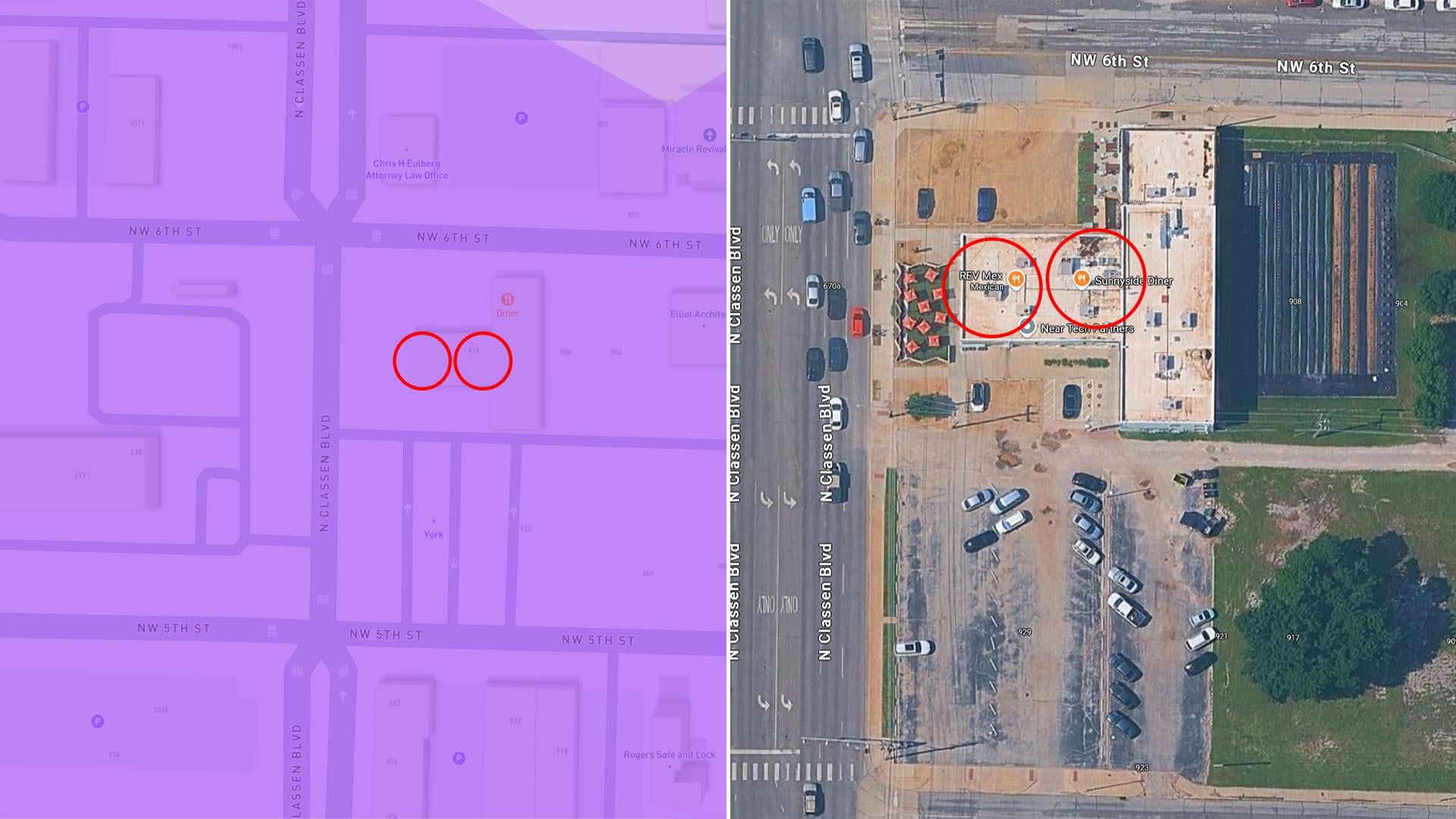
Carrier Offload Data Surge: By the Numbers
Hard metrics paint a compelling picture. Q2 2025’s 138.5% data offload growth to 2,721 terabytes reflects maturing integrations, fueled by over 380,000 hotspots and 4,500 and 5G radios blanketing 2,000 U. S. cities. Protocol fees topping $2 million monthly translate to aggressive HNT burns, with telecoms like AT and T and T-Mobile committing to this deflationary flywheel. At HNT’s $0.9702 price, each terabyte offloaded exerts measurable supply pressure, positioning the token for upside as volumes double into 2026.
2026 Roadmap: Scaling to Nationwide Dominance
Helium’s trajectory points to exponential scaling. Expect carrier offload to encompass 10% and of U. S. mobile traffic by year-end, driven by MVNO partnerships and IoT explosions from smart cities to autonomous fleets. Tokenomics evolve further: 100% mobile revenues now burn HNT, halving emissions and mirroring successful deflation models in other DePINs. With HNT at $0.9702, this setup rewards patient capital, as offload economics compound network effects.
For hotspot operators, profitability hinges on prime locations and upgrades to 5G-capable units. Guides stress 100Mbps and backhaul and beta enrollment for multi-carrier access, yielding MOBILE rewards convertible to HNT. Risks like regulatory scrutiny on spectrum sharing loom, but Helium’s Proof-of-Coverage proofs legitimize operations, fostering trust with incumbents.
Investment Thesis: Why Bet on Helium Now
At its core, Helium fuses telecom utility with blockchain scarcity, a rare combo in DePIN. HNT’s $0.9702 valuation, amid 24-hour stability ( and 0.51%, high $1.01, low $0.9506), undervalues the offload pipeline. Telecoms burning HNT for decentralized 5G coverage creates aligned incentives: carriers cut costs, owners earn passively, token holders gain from burns. Forward-looking portfolios should allocate here, eyeing parallels to early cellular booms but decentralized.
Challenges persist, competition from subsidized 5G rollouts, potential backhaul bottlenecks, but Helium’s community-driven density and real usage metrics outpace skeptics. As IoT sensors hit billions, helium mobile hotspots will anchor hybrid networks, blending low-power LoRaWAN with carrier offload for ubiquitous connectivity.
Operators and investors alike stand to gain from this shift, where everyday devices power tomorrow’s infrastructure. Helium doesn’t just offload data; it offloads the old telecom paradigm, ushering in a decentralized era of wireless innovation.
About the Author