

Imagine transforming your everyday home WiFi router into a source of passive income. No extra gadgets, no complicated setups, just your existing internet connection earning cryptocurrency rewards. That’s the promise of Uplink, a pioneering DePIN project revolutionizing decentralized WiFi sharing. In a world where connectivity demands skyrocket, Uplink empowers everyday users to contribute bandwidth and get paid for it, all while building a robust, community-driven network.

Uplink stands at the forefront of the DePIN wireless movement, blending blockchain incentives with real-world utility. Unlike traditional internet providers that hoard infrastructure, Uplink taps into the untapped potential of residential bandwidth. Users register their routers via a simple app, share unused capacity securely, and earn Uplink points that translate into future rewards. This model not only democratizes access to high-speed internet but also creates a scalable alternative to centralized giants.
Why Uplink Outshines Traditional DePIN Wireless Projects Like Helium
Helium has blazed the trail in decentralized wireless, letting users deploy hotspots to earn HNT tokens by providing LoRaWAN and 5G coverage. Those setups often require purchasing $500 devices and optimal placement for signal strength. Uplink flips the script with earn crypto home WiFi router simplicity: leverage what you already own. No hardware investments mean lower barriers to entry, making it ideal for tech enthusiasts and casual investors eyeing passive income WiFi DePIN 2026.
Backed by $10 million from Framework Ventures, Uplink boasts partnerships with heavyweights like Ericsson, Deutsche Telekom, and E. ON. These alliances signal strong enterprise adoption, positioning the network for explosive growth. While Helium focuses on expansive coverage through dedicated hotspots, Uplink prioritizes bandwidth marketplaces for services like VPNs and web proxies. It’s a privacy-first ecosystem where your data stays secure, and contributions fuel a global connectivity layer.
Key Uplink Benefits
-
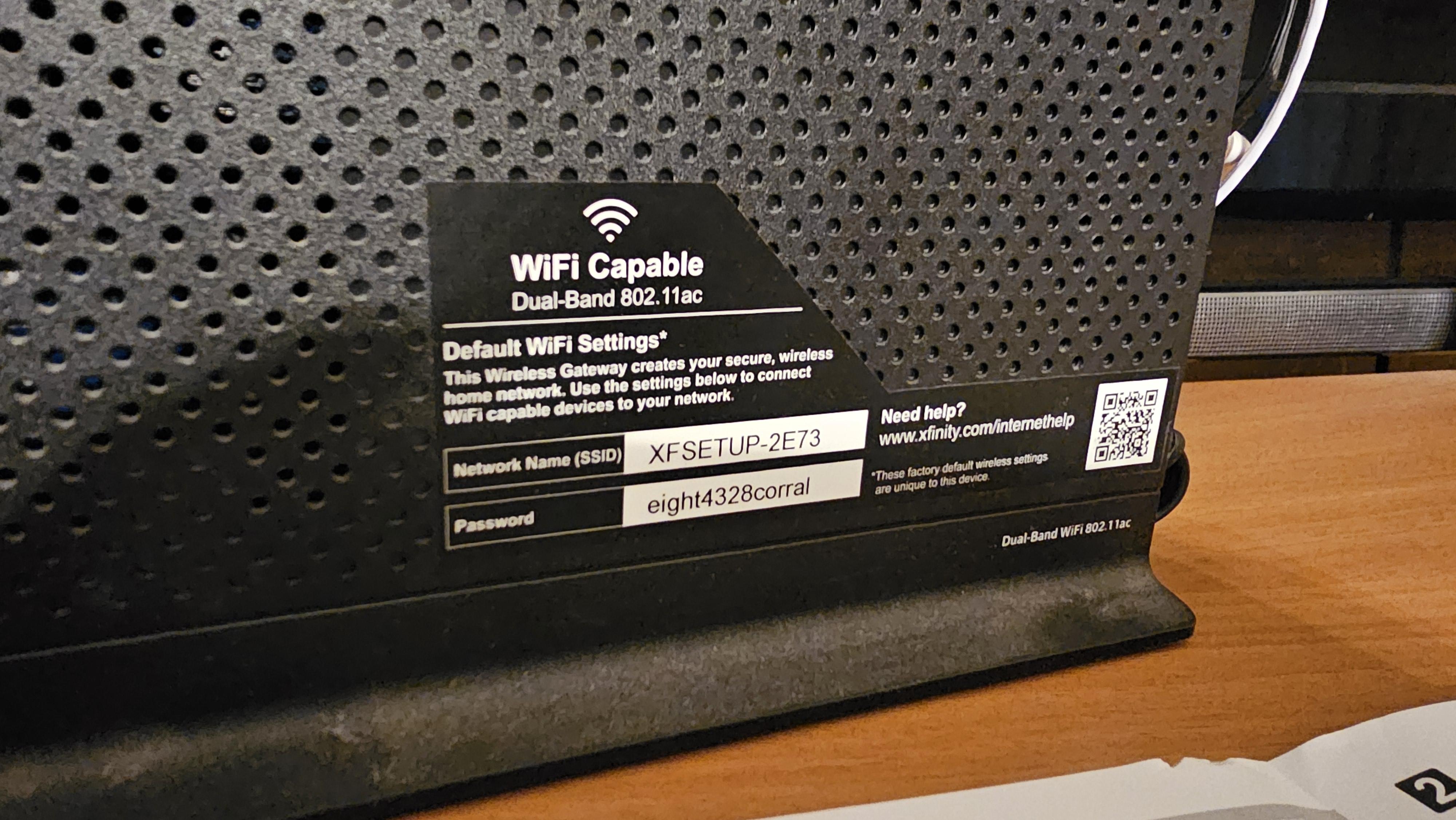
No New Hardware: Register your existing home router via the Uplink app – start sharing bandwidth instantly without buying anything extra.
-

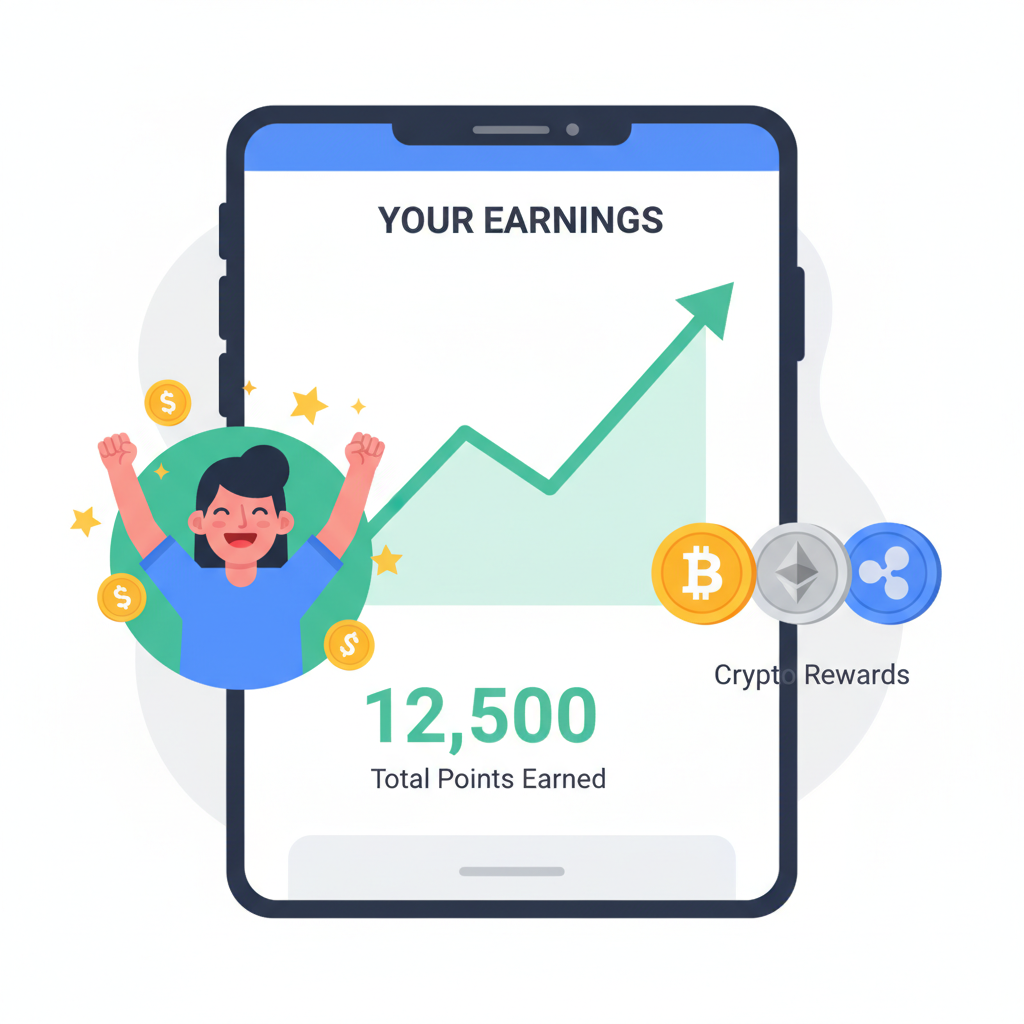
Passive Point Earnings: Earn Uplink Points effortlessly by keeping your router online and stable, plus bonuses for referrals.
-

Top Investor Backing: Raised $10M led by Framework Ventures for a solid foundation.
-
Telecom Partnerships: Teams up with leaders like Ericsson, Deutsche Telekom, and E.ON.
-

Privacy-Focused: Secure, privacy-first sharing builds a trusted decentralized network.
Seamless Onboarding: Register Your Router in Minutes
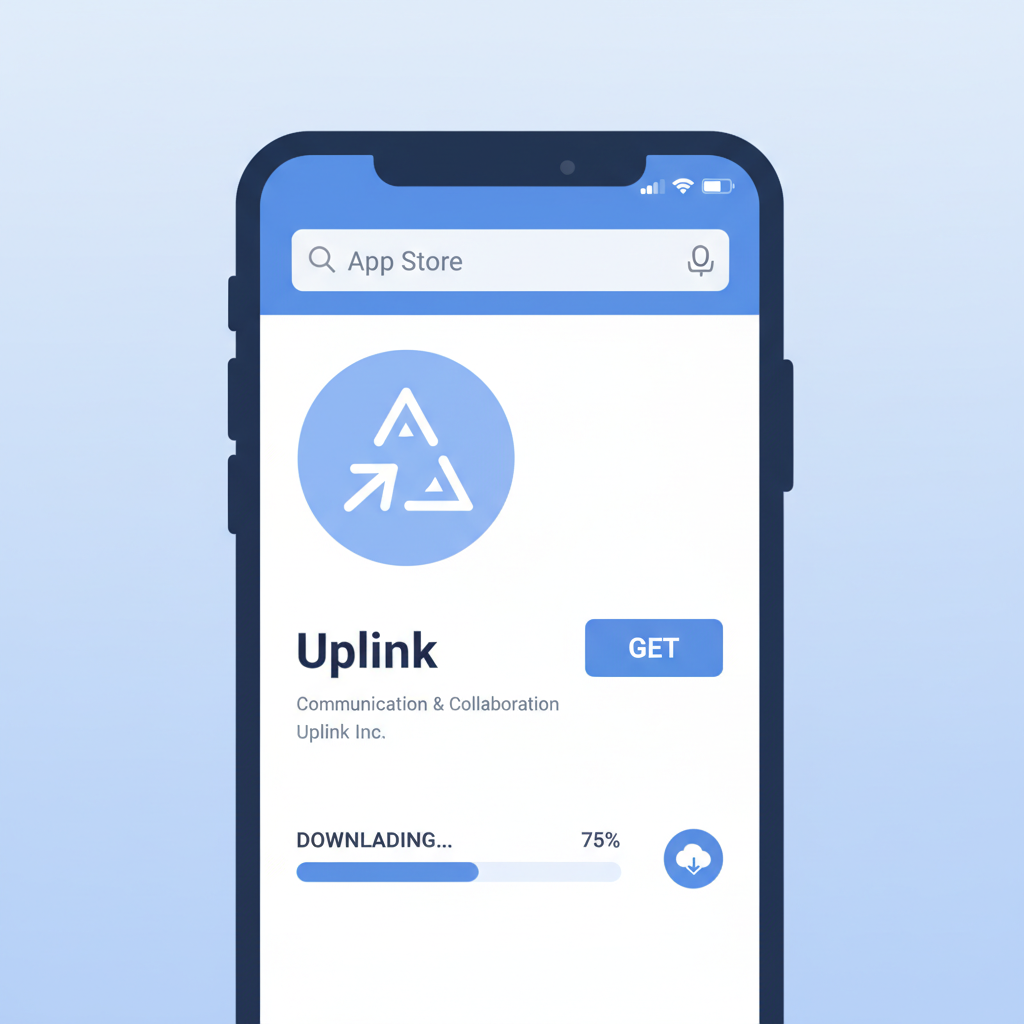
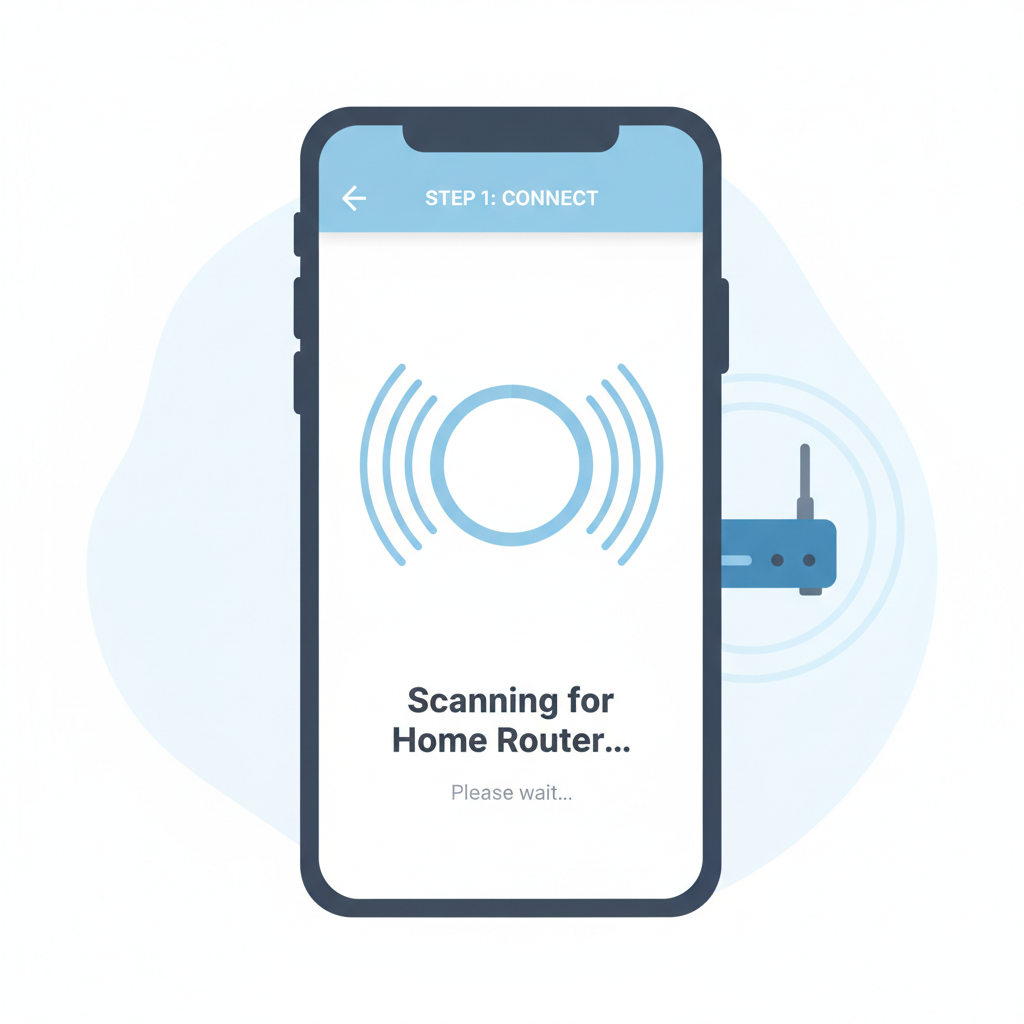
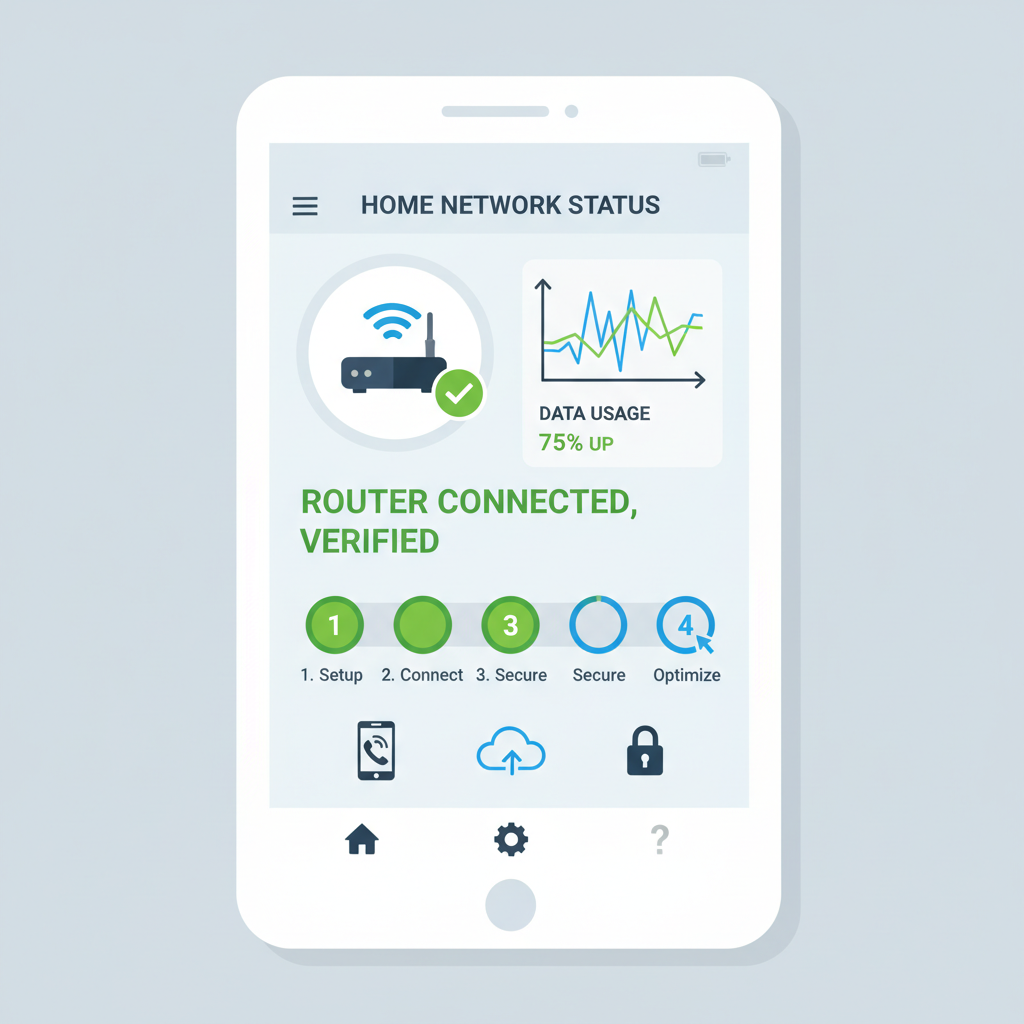
Getting started with Uplink DePIN WiFi is straightforward. Download the Uplink app from the App Store or Google Play, create an account, and scan your router’s QR code or enter its details. The app verifies your connection stability and enrolls it into the network. Keep your router online, and points accrue automatically based on uptime, bandwidth shared, and location demand. High-traffic urban areas could amplify earnings, turning your setup into a steady income stream.
Beyond basic sharing, Uplink rewards community building. Invite friends to join, and both parties benefit from referral bonuses. The platform’s dashboard provides real-time insights: points earned, network contribution stats, and projected rewards. It’s designed for reliability, with safeguards ensuring your primary internet use remains uninterrupted. Only surplus bandwidth gets allocated, keeping your Netflix streams and video calls smooth.
Rewards and Real-World Impact in the Evolving DePIN Landscape
As DePIN projects proliferate into 2026, Uplink’s Uplink xyz network rewards shine for their accessibility. Points earned today position early adopters for token airdrops or conversions once the $ULX token launches widely. Note that restrictions apply in regions like the US and Canada, so check eligibility first. The network’s decentralized bandwidth marketplace powers innovative services, from enterprise VPNs to edge computing, creating demand that benefits providers like you.
This isn’t just about personal gains; it’s reshaping the wireless economy. Communities drive coverage where traditional ISPs fall short, fostering resilient infrastructure. Uplink’s vision aligns with broader trends, like Helium Plus enabling businesses to join via existing routers. By participating, you’re investing in a future where connectivity is owned by the people, not corporations. Early movers in Uplink stand to capture significant value as adoption surges.
The momentum is building. With telecom partnerships accelerating deployment and blockchain ensuring transparent payouts, Uplink exemplifies how DePIN turns idle assets into productive ones. Whether you’re a crypto veteran or new to the space, sharing your home WiFi bandwidth offers a low-risk entry into this booming sector.
Maximizing your slice of this decentralized WiFi sharing DePIN pie requires a bit of strategy. Focus on router uptime; aim for 24/7 operation if possible, as consistent availability boosts point accumulation. Location matters too, urban dwellers or those near data-hungry hubs often see higher demand for bandwidth, translating to better uplink xyz network rewards. Combine this with referrals, and your earnings compound quickly. I’ve seen early participants stacking points equivalent to meaningful monthly payouts, all without touching their daily internet habits.
Earn Passive Crypto: Share WiFi on Uplink DePIN in 5 Easy Steps

Of course, no opportunity is without nuances. Uplink prioritizes security, routing shared bandwidth through encrypted tunnels that protect your privacy and prevent any interference with personal use. Bandwidth allocation is dynamic, only kicking in during idle periods. Still, monitor your connection speeds initially to ensure satisfaction. If issues arise, the app’s support tools and community forums offer quick resolutions. This user-centric design sets Uplink apart in the crowded DePIN field, where reliability often lags behind hype.
Navigating Risks and Regulatory Realities
Transparency demands addressing hurdles head-on. The $ULX token remains off-limits for residents of the United States, Canada, and select regions due to regulatory caution. This geo-fencing protects the project during its growth phase but limits accessibility for some. Points, however, accrue universally where eligible, redeemable later as the ecosystem matures. Bandwidth sharing also invites scrutiny on data sovereignty, yet Uplink’s partnerships with Ericsson and Deutsche Telekom underscore compliance with global standards. In my analysis, these ties mitigate risks, positioning Uplink as a compliant frontrunner in passive income WiFi DePIN 2026.
Compare this to Helium’s evolution: while hotspots demand upfront capital, Uplink’s zero-hardware model scales faster through sheer participation volume. As networks like Flora and Ping emerge, Uplink’s focus on existing infrastructure gives it an edge in rapid deployment. Investors take note; early point farmers could mirror Helium’s multibagger returns, adjusted for lower entry costs.
Community Power: Building the Future Together
The true magic unfolds in collective action. Each registered router strengthens the mesh, enabling services from low-latency VPNs to AI edge processing. Imagine powering remote work proxies or streaming caches right from your living room, all compensated fairly via blockchain. This community-built fabric challenges ISP monopolies, slashing costs for end-users and enterprises alike. Uplink’s $10 million war chest fuels marketing and tech upgrades, promising exponential network effects by mid-2026.
Stepping into Uplink feels like claiming a stake in tomorrow’s internet today. With minimal effort, your idle WiFi becomes a gateway to crypto rewards and network ownership. As DePIN reshapes wireless landscapes, projects like this reward foresight. Download the app, plug in, and watch points flow, contributing to a decentralized revolution that’s as practical as it is visionary.
About the Author