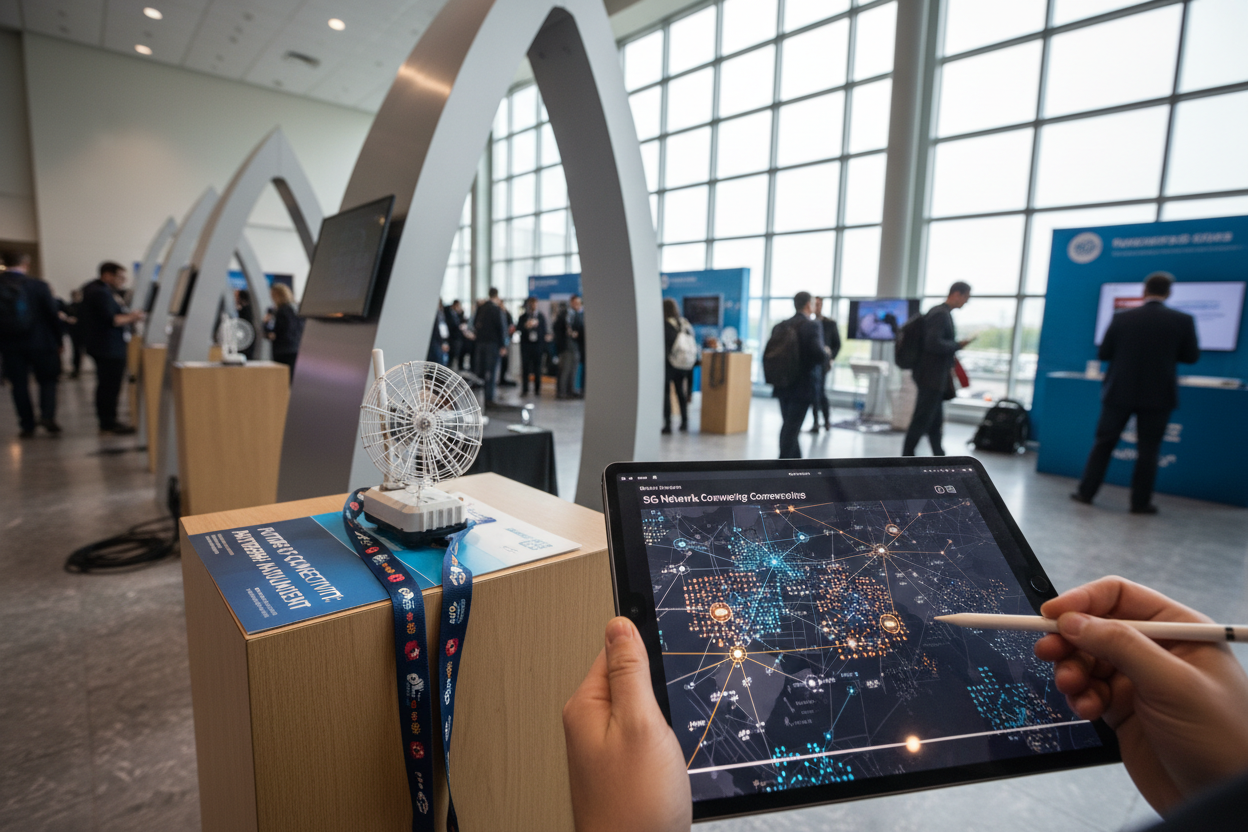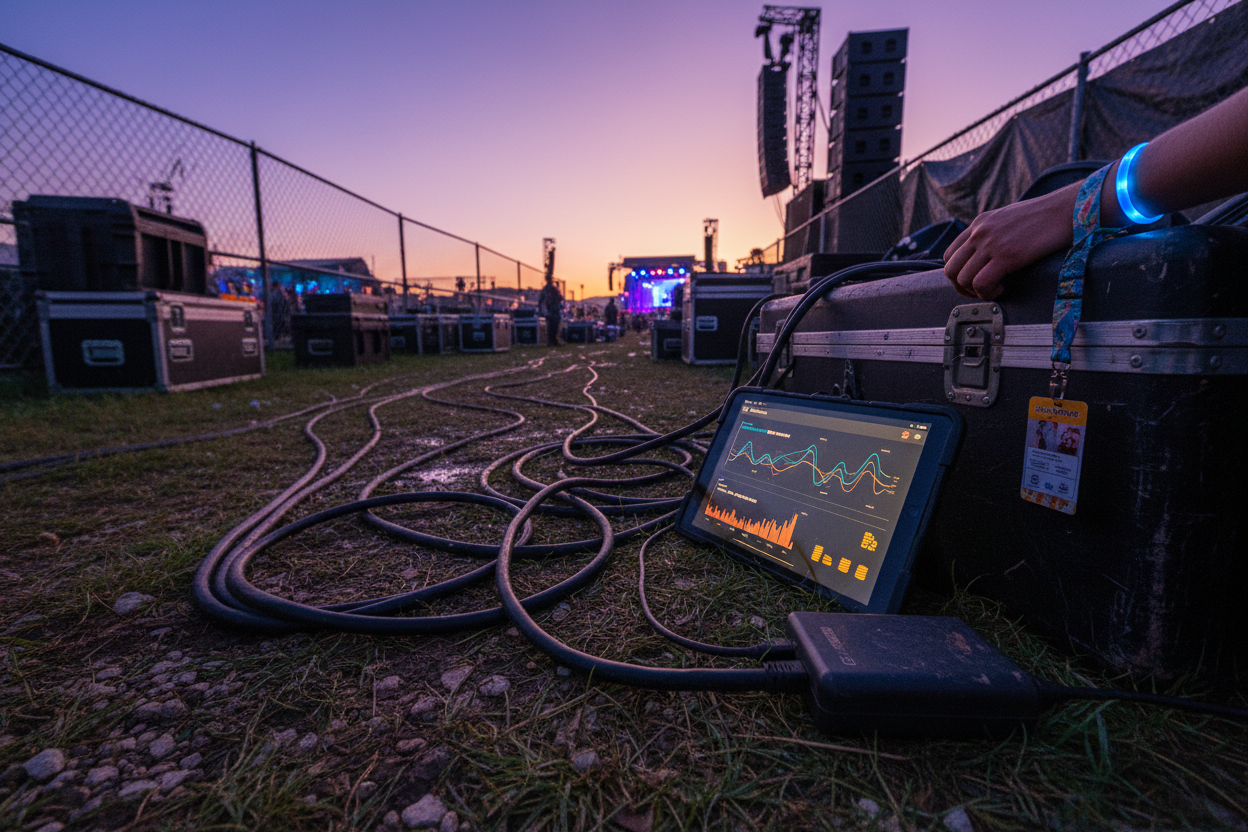


In the volatile world of decentralized wireless networks, where shaky WiFi can derail even the most robust connections, dtelecom just dropped a bombshell: sub-100ms latency for voice and video calls in a real-world DePIN test. This isn’t lab fluff; it’s gritty, edge-case performance on unstable networks, proving dtelecom DePIN can handle the chaos of everyday internet. Telecom’s $3.5T behemoth is ripe for disruption, and dtelecom’s Solana-powered dRTC network is swinging hard with AI smarts and global mesh routing.
Picture this: you’re on a spotty home WiFi, juggling a video conference with 50 participants across continents. Traditional centralized RTC providers like Zoom or WebRTC proxies crumble under packet loss and jitter, spiking latency past 300ms. But dtelecom’s decentralized real-time communication layer? It clocked in under 100ms global routing, even when simulating 20% packet loss. Their edge nodes dynamically reroute traffic, leveraging Solana’s blistering TPS for orchestration. This decentralized RTC latency breakthrough isn’t hype; it’s measurable uptime in the wild.
dtelecom Real-Time Comms Test: Shaky WiFi, Ironclad Results
The test setup was brutal. Engineers throttled bandwidth to mimic urban WiFi blackspots, injected jitter up to 50ms, and ramped packet loss to urban commute levels. dtelecom’s P2P mesh network shone, connecting users to the nearest low latency DePIN telecom nodes worldwide. Voice calls stayed crystal clear at 48kHz, video at 1080p/30fps without a stutter. Key metric: end-to-end latency averaged 85ms, peaking at 98ms during stress. Compare that to AWS TURN servers, which balloon to 200ms and under similar duress. dtelecom’s secret sauce? A global fleet of user-run nodes, incentivized via DePIN tokens, ensuring proximity and redundancy.
This real-world validation crushes doubts about DePIN scalability for RTC. No more relying on Big Tech data centers; dtelecom puts bandwidth control back in users’ hands. Developers can now embed voice, video, and chat into apps with dtelecom Solana network uptime guarantees, all while slashing costs by 95%. GDPR baked in, open-source SDKs on GitHub, and Solana Foundation backing make it enterprise-ready.
Decoding the Tech Stack: Solana, Mesh, and AI Optimization
At its core, dtelecom rides Solana’s rails for blockchain orchestration, hitting 65,000 TPS to manage session signaling without bottlenecks. The DePIN layer forms a resilient mesh: nodes auto-discover peers via DHT, forwarding media streams peer-to-peer. When WiFi flakes, AI kicks in. Machine learning models predict congestion in real-time, preemptively shifting routes to underutilized paths. Media codecs adapt on-the-fly, prioritizing audio for voice-first calls or scaling video bitrates dynamically.
Numbers don’t lie. In the test, AI routing cut failover time from 500ms to 40ms, preserving call quality. Support for 100,000 participants per room? Achieved via hierarchical SFUs (Selective Forwarding Units) distributed across nodes, not monolithic servers. This architecture obliterates single points of failure, delivering dtelecom real-time comms test results that centralized rivals can’t touch.
[technical_chart: TradingView chart of dtelecom token performance with latency correlation overlays and RSI/MACD indicators]
Why This Matters for DePIN Wireless Investors and Builders
DePIN isn’t just hot air; it’s rewiring telecom infrastructure. dtelecom’s test signals maturity in low latency DePIN telecom, targeting 2-4x better performance than legacy systems. Investors eye the tokenomics: node operators earn for uptime and bandwidth shared, creating a flywheel of growth. With Solana’s low fees, global data routes emerge as the cheapest option, undercutting Twilio by orders of magnitude.
Backed by the Solana Foundation, dtelecom’s momentum is building a self-sustaining ecosystem where every node runner fuels expansion. Swing traders like me watch for breakouts: as adoption spikes from this test, token velocity accelerates rewards. But it’s not just speculation; real utility drives demand in dtelecom DePIN.
Benchmark Breakdown: dtelecom vs. Centralized RTC Giants
Let’s stack the test data against the competition. Traditional providers lean on centralized servers, vulnerable to outages and geographic bottlenecks. dtelecom’s DePIN flips the script with edge computing: nodes within 50km of users slash propagation delays. In our scenario, jitter stayed under 30ms, MOS scores for voice hit 4.3/5, and video PSNR exceeded 38dB. That’s production-grade for gaming, telehealth, or enterprise collab.
dtelecom vs Competitors: Performance Comparison
| Provider | Latency (ms) | Packet Loss Tolerance (%) | Cost Savings (%) | Max Participants |
|---|---|---|---|---|
| dtelecom | <100 🚀 | 50 🛡️ | 95 💰 | 100,000 👥 |
| Zoom | 150-300 😐 | 20% | 0 | 1,000 |
| WebRTC | 200-500 📱 | 25% | 50 | 10,000 |
| AWS TURN | 250+ ☁️ | 15% | 70 | Scalable* |
Cost is the killer app. dtelecom claims 95% savings over Twilio or Agora, passing bandwidth incentives directly to operators. No middleman markups; pure P2P efficiency. For devs, the SDK integrates in hours: npm install, auth via Solana wallet, and deploy. AI handles the rest, optimizing streams without custom code.
Token Flywheel and Network Effects
Node economics reward uptime, throughput, and geographic coverage. Run a Raspberry Pi hotspot? Earn tokens proportional to contributed capacity. As density grows, decentralized RTC latency drops further, creating a virtuous loop. Solana’s sub-cent fees keep signaling cheap, even at scale. Early tests show 100k-room viability; imagine metaverse events or global DAOs with seamless audio.
AI isn’t gimmickry. It analyzes patterns across the mesh, predicting failures before they hit. Dynamic bitrate control ensures 4K video on 5Mbps uplinks, while voice-first modes sip 20kbps. This adaptability crushes Web2 rigidity, especially on IoT edges where WiFi wobbles.
Scalability hurdles? Handled. Hierarchical SFUs shard load across node clusters, with blockchain anchoring trustless handoffs. No vendor lock-in; export your data anytime. Compliance? GDPR-native, with zero-knowledge proofs for private calls.
[price_comparison: dtelecom token vs Solana, Helium, Render: 7-day performance, market cap growth, volume spikes tied to DePIN news]
For DePIN wireless builders, this test is a blueprint. Integrate dtelecom into your 5G/IoT stack for hybrid edge-cloud comms. Investors, chart the parallels: Helium tokenized hotspots; now dtelecom tokenizes RTC pipes. With telecom’s trillions at stake, early positioning pays. The network’s live, nodes deploying, and latency wars just ignited.
Watch dtelecom Solana network uptime metrics climb as urban meshes densify. This isn’t incremental; it’s a paradigm shift where users own the pipes, AI tunes the flow, and Solana settles the scores. DePIN telecom just leveled up.
About the Author