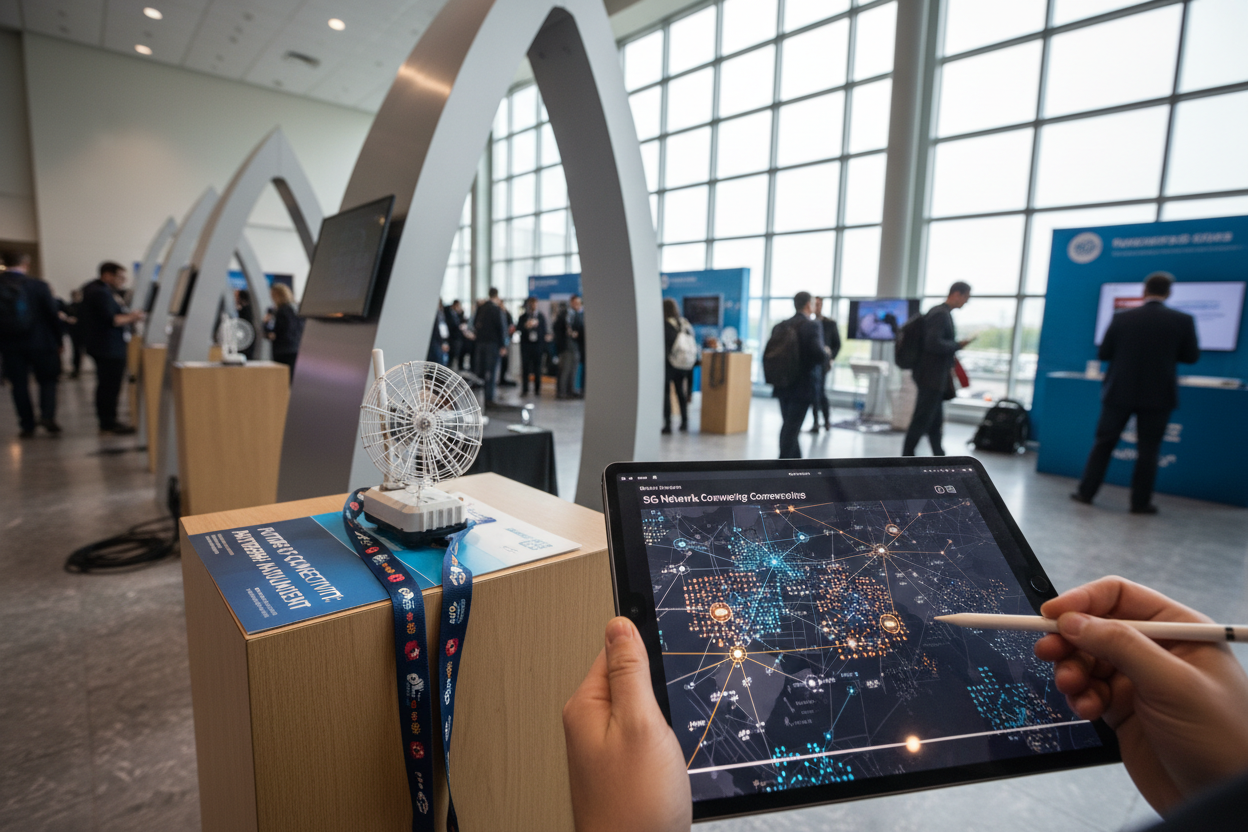


Helium’s decentralized wireless network has become a global catalyst for IoT infrastructure, especially in regions that have long been neglected by traditional telecoms. At the heart of this movement is Helium’s innovative Proof-of-Coverage (PoC) model, a blockchain-native incentive mechanism that aligns the interests of individual Hotspot operators with the goal of expanding reliable wireless coverage for IoT devices. As of November 2025, with Helium (HNT) trading at $1.95, the network’s growth trajectory is accelerating, fueled by dynamic rewards and targeted initiatives designed to bridge the digital divide.


How Proof-of-Coverage Works: The Engine Behind Decentralized Wireless Expansion
The Proof-of-Coverage protocol is engineered to verify that deployed Hotspots are providing legitimate, geographically accurate wireless service. Each Hotspot periodically broadcasts encrypted signals known as Beacons and listens for Beacons from neighboring nodes. This reciprocal challenge-response system leverages radio frequency physics and cryptographic validation on-chain, ensuring that only those who contribute real, verifiable coverage are rewarded.
This design creates a self-sustaining, trustless audit mechanism for global wireless infrastructure, a critical leap forward compared to legacy models reliant on centralized oversight or unverifiable self-reporting. For underserved regions, this means new coverage can be established and maintained transparently, with every node’s contribution validated by its peers and the blockchain itself.
Incentivizing IoT Growth Where It Matters Most
The reward structure underpinning Helium’s PoC model is intentionally skewed to favor areas with low existing Hotspot density. Operators deploying in sparsely covered or unserved locations receive higher HNT payouts than those in saturated urban clusters. This approach directly addresses one of the most persistent challenges in wireless infrastructure: aligning economic incentives with socially optimal outcomes.
Key features of this incentive model include:
- Dynamic Reward Scaling: As outlined in recent Messari and Gate. com reports, PoC rewards scale up for Hotspots located in low-density geographies, precisely where traditional carriers see little commercial appeal.
- Halving Awareness: The 2025 halving event has heightened attention on maximizing reward efficiency. Operators now face stiffer competition in high-density markets but enjoy outsized returns when pioneering new territory.
- Community-Driven Deployment: Community organizations and local entrepreneurs are leveraging these incentives to build grassroots networks that serve schools, farms, clinics, and other essential services previously ignored by incumbent providers.
This strategy not only drives rapid network expansion but also ensures that new IoT deployments, ranging from agricultural sensors to environmental monitors, gain access to robust connectivity where it was once cost-prohibitive or impossible.
Pushing Boundaries Through Strategic Partnerships and Grants
The raw power of PoC incentives is amplified by Helium Foundation’s targeted grant programs and industry partnerships:
- $50 Million Coverage Grant Program: Focused on bringing hotspots to strategic locations lacking adequate coverage.
- Community Coverage Grants: Subsidizing up to half the hardware costs for deployments in high-traffic zones like hotels and stadiums, making it easier for professional builders to enter underserved markets.
- Carrier Collaborations: Joint initiatives with AT and T and Movistar are extending reach into rural communities across Latin America and beyond, blending decentralized infrastructure with established carrier footprints.
The results speak volumes: By Q3 2025, Helium surpassed 900,000 global Hotspots across more than 80 countries, driving a remarkable 138.5% quarter-over-quarter surge in data offloading volume (now at 2,721 terabytes). These metrics underscore how well-aligned incentives can transform connectivity landscapes on a planetary scale.
The Road Ahead: Challenges and Next Steps for Decentralized Wireless
The success of Helium’s Proof-of-Coverage framework is not just measured by Hotspot counts or HNT price action, it’s about sustainable digital inclusion. As competition intensifies in urban centers (where rewards diminish), operators are increasingly eyeing untapped territories where their deployments make both economic sense and social impact. The next phase will require continued innovation around device onboarding, spectrum management, and cross-network interoperability as DePIN wireless matures into a foundational layer for global IoT applications.
One emerging challenge is maintaining the delicate balance between incentivizing early network growth and ensuring long-term economic sustainability. As more Hotspots come online, particularly in emerging markets, the Proof-of-Coverage reward pool becomes increasingly competitive. The 2025 halving event, which reduced HNT emissions, has further sharpened this dynamic. Operators must now optimize both their deployment strategies and operational efficiency to remain profitable, especially as Helium’s token price stabilizes around $1.95.
Yet, this tightening of rewards is not a flaw, it’s a feature designed to prevent oversaturation and to push coverage into the world’s digital blind spots. By continuously recalibrating incentives based on real-time network demand and density, Helium’s PoC model ensures that capital flows to where it can have the highest marginal impact. This is particularly critical for IoT use cases in agriculture, logistics, and public health that depend on wide-area coverage rather than dense urban redundancy.
Real-World Impact: From Theory to Deployment
The practical results of Helium’s approach are increasingly visible on the ground. In Latin America and sub-Saharan Africa, for example, community-driven deployments have enabled affordable sensor networks for crop monitoring and water management, applications previously out of reach due to high connectivity costs. Local entrepreneurs are leveraging blockchain-powered IoT networks not only as a source of recurring revenue but as a catalyst for digital transformation in their regions.
Meanwhile, partnerships with established carriers allow Helium’s decentralized wireless infrastructure to serve as a backhaul solution or complement traditional towers in remote areas. This hybrid strategy extends reliable 5G and LoRaWAN coverage where it was never commercially viable before, a win-win for both local users and global network operators.
What Investors and Operators Should Watch Next
For those considering participation, whether as an HNT investor or Hotspot operator, the landscape is evolving rapidly:
- Reward Optimization: Staying informed about changes to the PoC algorithm and upcoming network upgrades will be critical for maximizing returns.
- Regulatory Landscape: As decentralized wireless networks gain prominence, local governments are beginning to take notice. Navigating spectrum licensing and compliance will become increasingly important.
- Ecosystem Integration: The convergence of DePIN wireless with other blockchain-powered services (identity management, payments) could unlock entirely new business models.
The ongoing evolution of Helium’s Proof-of-Coverage system will be closely watched by both industry incumbents and innovators seeking scalable models for global connectivity expansion. For deeper exploration into how these trends intersect with decentralized IoT deployments, see our detailed analysis at How Helium Network’s Proof-of-Coverage Powers Decentralized 5G and IoT Connectivity.
Final Thoughts: The Future of Decentralized Wireless Incentives
The story of Helium in 2025 is ultimately about aligning technology with human needs, delivering connectivity not just where it is most profitable but where it is most needed. By harnessing blockchain-based incentives through its Proof-of-Coverage model, Helium has created a living laboratory for decentralized infrastructure at scale.
If current trends hold, and if operators continue targeting underserved regions, the next wave of IoT innovation will be powered by networks that are open, transparent, and truly global in scope. While challenges remain around governance, interoperability, and regulatory clarity, the foundation laid by PoC-driven growth offers a roadmap for bridging the world’s digital divide one Hotspot at a time.

About the Author