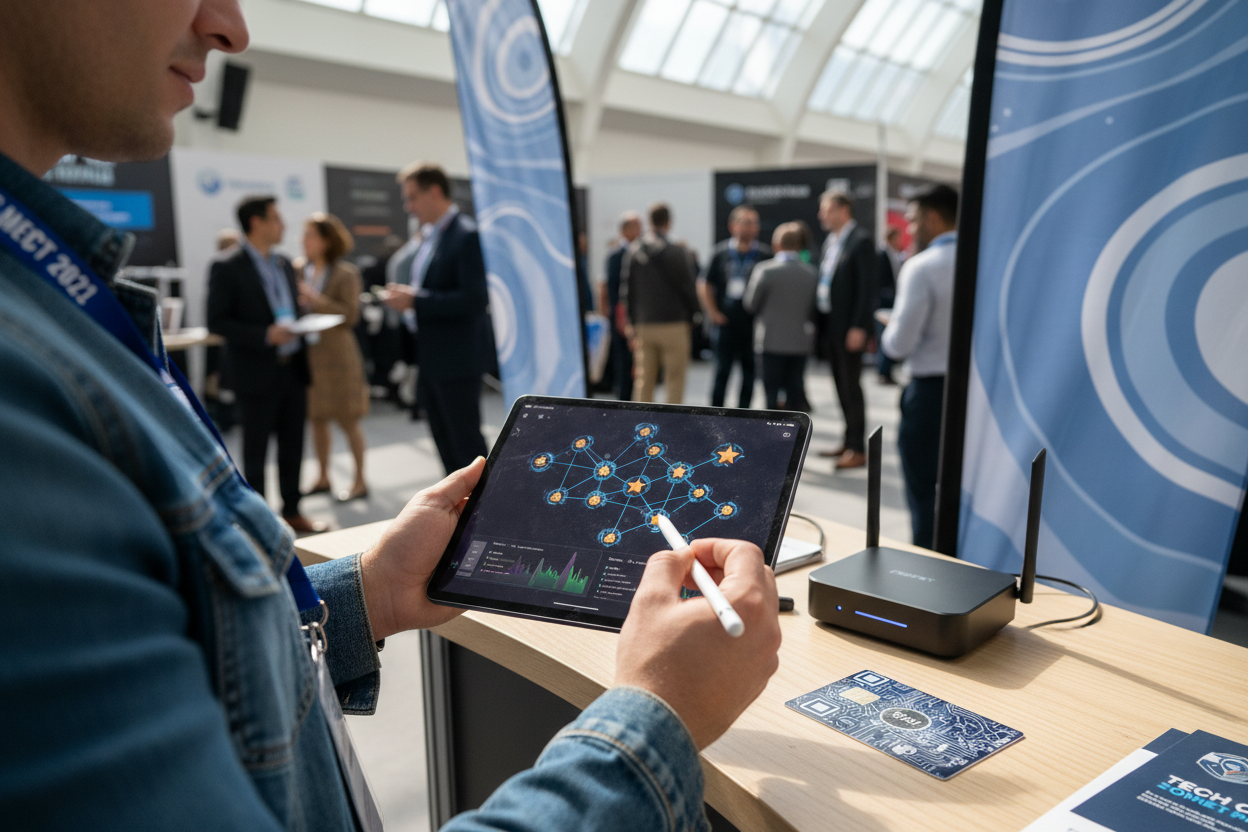
In the evolving landscape of decentralized physical infrastructure networks, Uplink stands out as a precision-engineered solution for decentralized WiFi networks. By March 2026, the platform has amassed over 40,000 participants worldwide, enabling individuals to share their existing WiFi routers and earn cryptocurrency rewards in $ULX tokens. Operating as the first DePIN on Avalanche L1, Uplink addresses the connectivity void affecting 38% of the global population without reliable high-speed internet. With Avalanche (AVAX) trading at $9.77, up $0.1900 or and 0.0198% in the last 24 hours, the ecosystem's momentum aligns with blockchain's push into real-world utility.
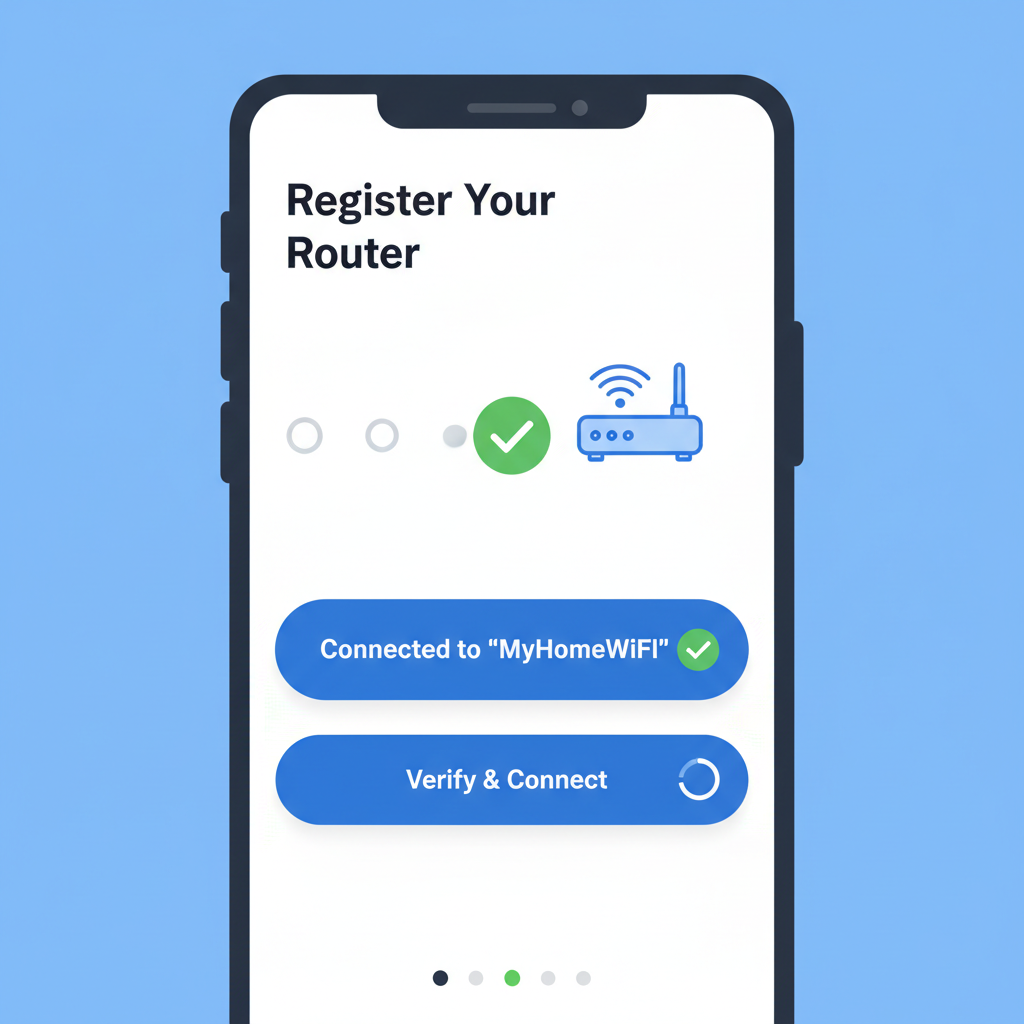
This growth trajectory is no accident. Uplink leverages underutilized home routers to build a collaborative mesh network, bypassing traditional ISPs burdened by high costs and monopolistic tendencies. Participants register devices, map coverage, and verify connections, earning points convertible to $ULX. The model's simplicity has driven adoption: from launch hype to tangible scale in under two years, proving demand for share WiFi earn crypto mechanics.
Uplink's Core Mechanics: Router Sharing Meets Blockchain Incentives
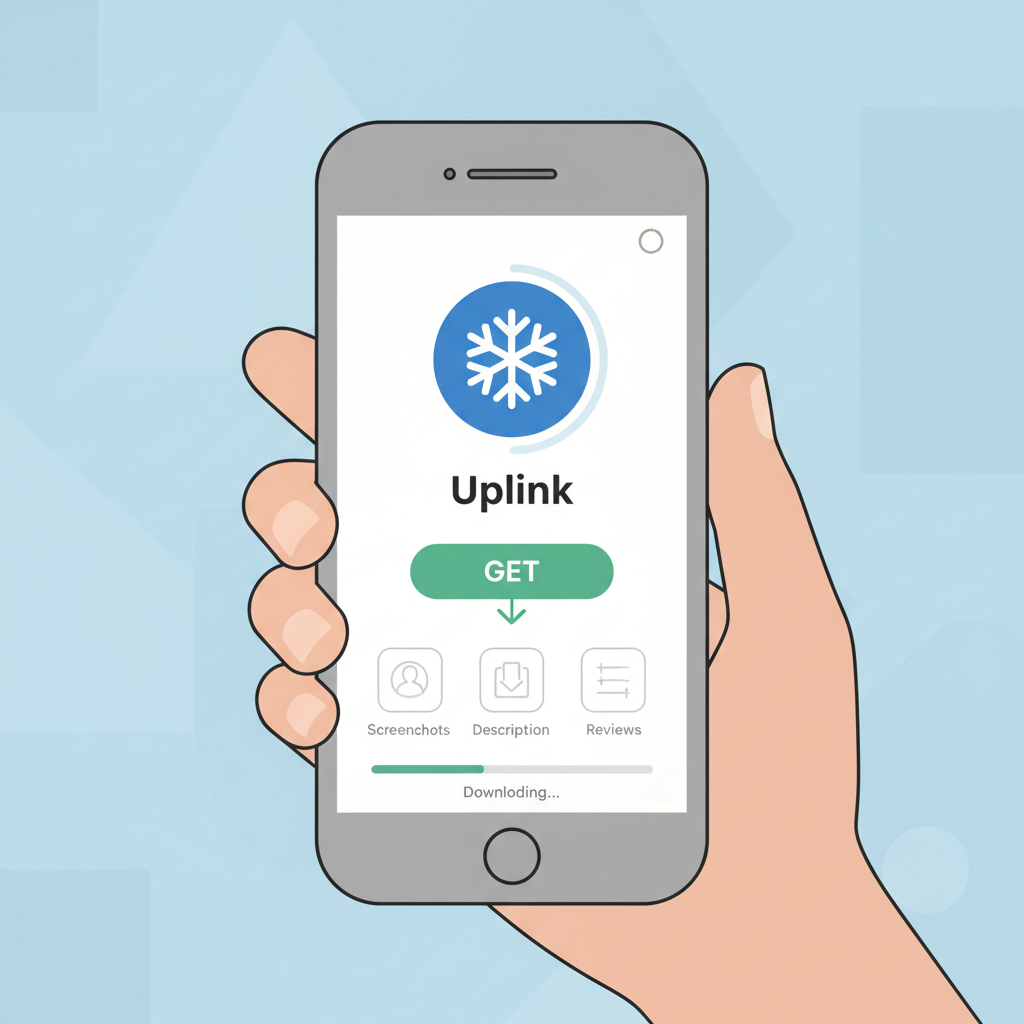
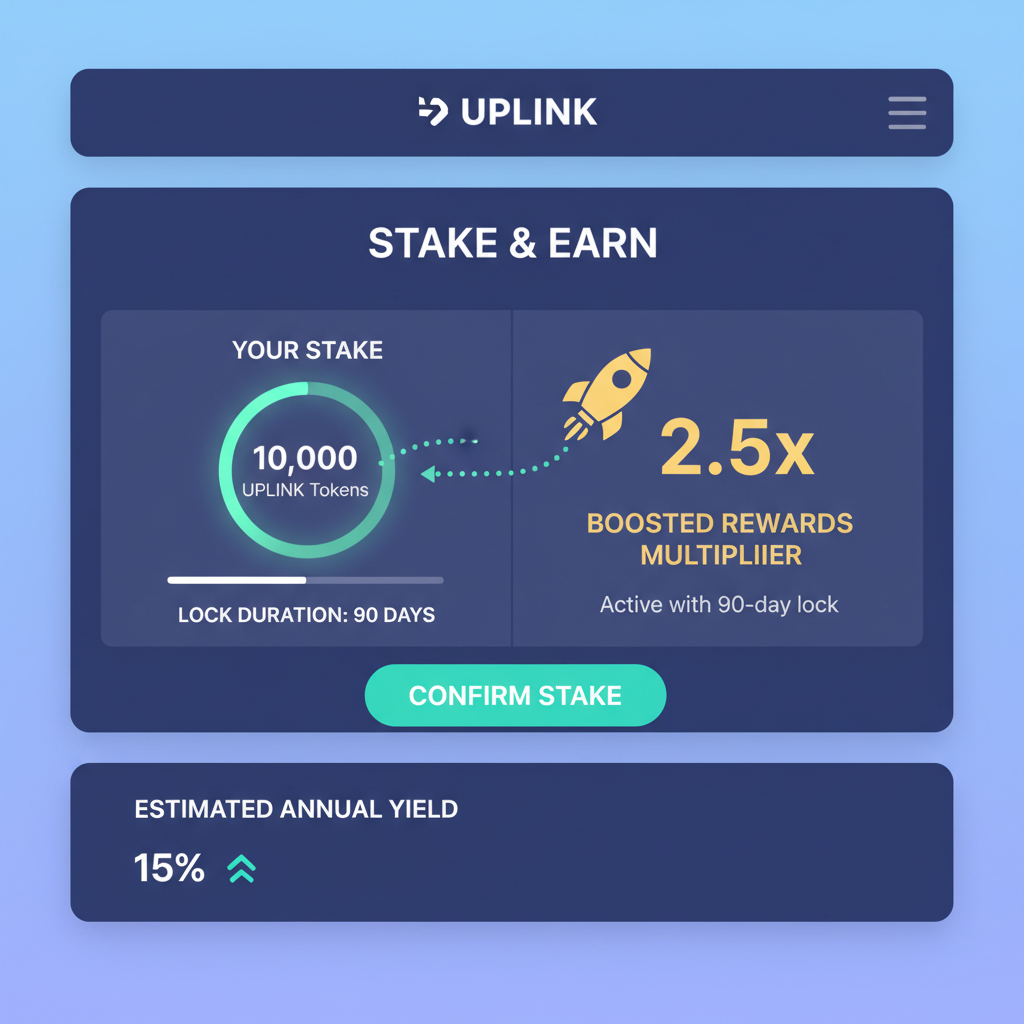
At its heart, Uplink transforms idle WiFi capacity into a revenue stream. Users download the app, connect routers, and contribute bandwidth to the network. Blockchain verifies uptime and quality via Avalanche's high-throughput consensus, ensuring fair reward distribution. $ULX, the native utility token, powers transactions, staking for priority access, and governance votes on network expansions.
Data underscores the efficiency: 40,000 registered routers span multiple countries, closing gaps in urban fringes and rural expanses alike. Unlike centralized providers averaging $50-100 monthly fees, Uplink democratizes access at marginal cost. Early metrics show participants earning competitive yields, with top performers netting double-digit annual returns on hardware investments under $100.
Avalanche L1: The Scalable Backbone for DePIN WiFi Rewards
Avalanche's choice as Uplink's foundation is analytically sound. Its subnet architecture delivers sub-second finality and costs pennies per transaction, ideal for micro-payments in bandwidth sharing. Compared to Ethereum's congestion or Solana's outage history, AVAX at $9.77 reflects undervaluation for DePIN scaling: 24-hour high of $9.87 and low of $9.57 signal stability amid broader market flux.
Uplink's integration taps Avalanche's 9000 upgrade, boosting throughput for IoT-scale deployments. This positions the network for 5G convergence, where WiFi offloads cellular strain. Projections indicate 10x user growth by 2027 if current velocity holds, fueled by referral programs and enterprise pilots targeting underserved regions.
Uplink Network (ULX) and Avalanche (AVAX) Price Predictions 2027-2032
Based on 40K+ user growth in 2026, DePIN adoption trends, and Avalanche ecosystem expansion
| Year | ULX Minimum Price | ULX Average Price | ULX Maximum Price | AVAX Minimum Price | AVAX Average Price | AVAX Maximum Price |
|---|---|---|---|---|---|---|
| 2027 | $0.05 | $0.22 | $1.10 | $6.50 | $17.50 | $48.00 |
| 2028 | $0.12 | $0.45 | $2.50 | $12.00 | $32.00 | $85.00 |
| 2029 | $0.25 | $0.90 | $5.20 | $18.00 | $52.00 | $140.00 |
| 2030 | $0.50 | $1.80 | $10.00 | $25.00 | $72.00 | $190.00 |
| 2031 | $0.90 | $3.20 | $18.00 | $35.00 | $95.00 | $240.00 |
| 2032 | $1.50 | $5.00 | $28.00 | $45.00 | $120.00 | $320.00 |
Price Prediction Summary
ULX shows explosive potential with min 30x growth to max 500x+ by 2032 in bullish DePIN adoption scenarios, driven by user expansion beyond 40K and WiFi sharing rewards. AVAX to steadily recover and surge 3x-30x, benefiting from L1 scalability and DePIN projects like Uplink. Predictions account for market cycles, with bearish mins reflecting regulatory risks and competition.
Key Factors Affecting Uplink Network Price
- DePIN sector growth and Uplink's 40K+ routers/users milestone
- Avalanche L1 scalability and low fees enabling mass adoption
- Crypto market cycles (post-2026 bull run potential)
- Regulatory clarity on DePIN and wireless networks
- Competition from Helium/Render and tech upgrades (5G integration)
- Macro factors: global internet access gaps (38% unconnected) and token utility for rewards
Disclaimer: Cryptocurrency price predictions are speculative and based on current market analysis. Actual prices may vary significantly due to market volatility, regulatory changes, and other factors. Always do your own research before making investment decisions.
Risk-adjusted, Uplink mitigates centralization pitfalls through tokenomics: 50% supply allocated to miners and verifiers, vesting over 36 months to curb dumps. Community governance via on-chain proposals ensures adaptive evolution, from 5G hotspot incentives to satellite backhaul. For investors eyeing Avalanche wireless sharing, this is precision entry into DeWI's ascent.
Quantifying Adoption: 40K Users Signal Network Maturity
By Q1 2026, Uplink's 40,000 participants mark a inflection point. Sources confirm 150,000 and total engagements since inception, with 40,000 active routers driving 24/7 coverage. Geographic dispersion - 60% North America, 25% Europe, 15% emerging markets - diversifies risk and expands total addressable bandwidth.
These figures translate to measurable impact: average node uptime exceeds 95%, with bandwidth contributions totaling petabytes monthly. This maturity challenges skeptics who dismissed DePIN as hype, positioning Uplink as a leader in decentralized WiFi networks. Peer projects like Helium, with its IoT focus, lag in WiFi-specific scale; Uplink's router-centric approach yields higher density in populated areas, optimizing for urban data demands.
Comparative Edge: Uplink vs. Traditional ISPs and Rival DePINs
| **Aspect** | **Traditional ISPs** | **Uplink on Avalanche (AVAX: $9.77)** | **Rival DePINs (e.g., Helium)** |
|---|---|---|---|
| **Gross Margins** | 40-60% 🚫 | <20% 📉 | Variable ⏳ |
| **Consumer Cost** | $80/mo 💸 | Offset in months w/ 15%+ APY 🤑 | Token-dependent 📊 |
| **TPS** | Low 🐌 | 4,500 ⚡ | Migration delays 😵💫 |
| **Emerging Markets** | Limited 🌍 | 15% nodes + 30% savings pilots 🌱 | Untapped |
Onboarding Simplified: Precision Steps for Earning DePIN WiFi Rewards
Accessibility defines Uplink's breakout. No PhD required: the app guides novices through setup, leveraging smartphone GPS for mapping. This frictionless entry fueled 40k users by Q1 2026, with retention above 80% per cohort analysis.
Join Uplink DePIN: Share WiFi, Earn $ULX with 40K+ Users on Avalanche

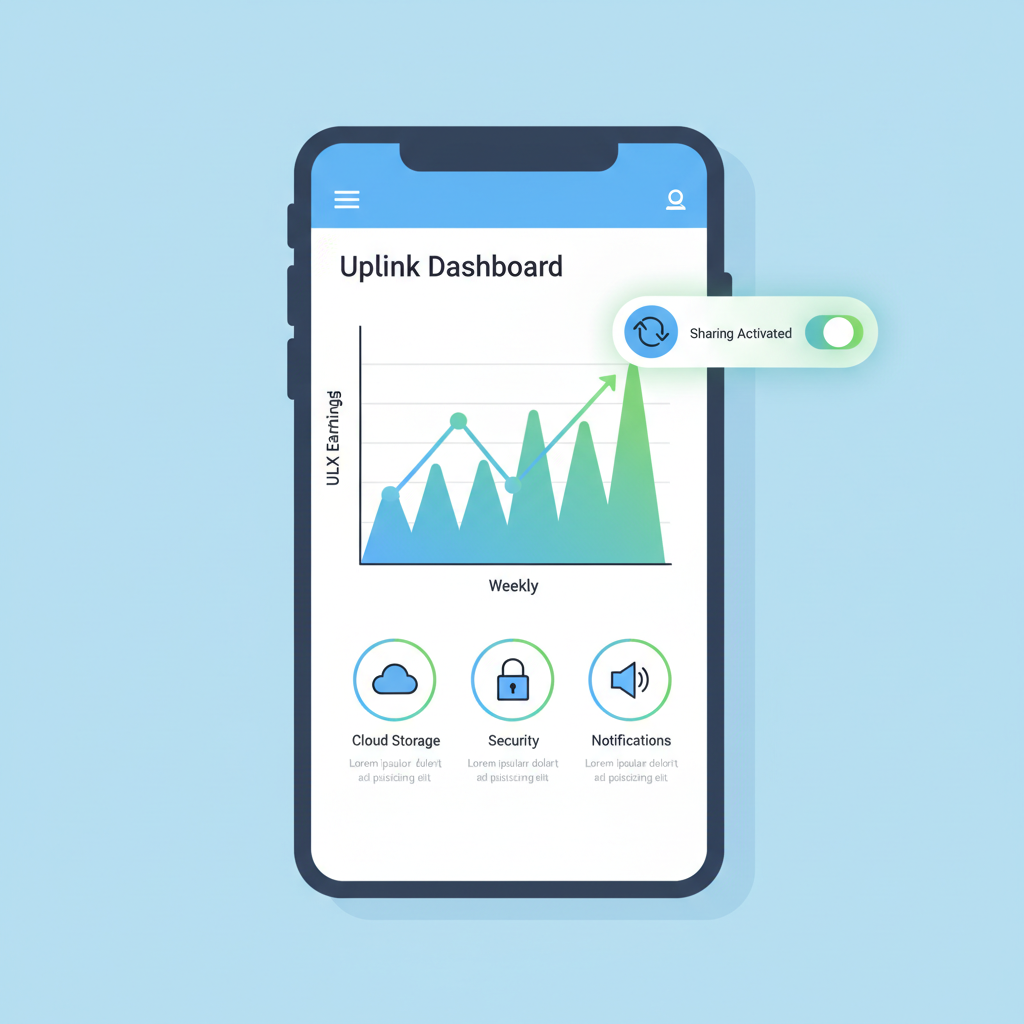
Post-setup, analytics dashboards track performance: uptime scores, bandwidth shared, projected yields. Top 10% earners average $25 monthly on standard routers, scaling with multi-device households. Referral bonuses compound growth, mirroring viral loops in early crypto successes.
Forward Metrics: Risk-Adjusted Projections to 2027
Extrapolating current velocity, Uplink targets 400k routers by 2027, assuming 10x adoption from marketing ramps and AVAX ecosystem grants. $ULX tokenomics support this: circulating supply at 20% post-vesting, with burn mechanisms from transaction fees enhancing scarcity. At AVAX $9.77 - stable amid 24h flux from $9.57 low to $9.87 high - cross-chain bridges to Ethereum position Uplink for liquidity influx.
Risks warrant mention: regulatory scrutiny on spectrum sharing could cap expansion, though Uplink's unlicensed WiFi band mitigates this. Competition from subsidized 5G looms, but hybrid models - WiFi offloading cellular - create symbiosis. Quantitatively, Monte Carlo simulations peg 70% probability of 5x network value growth, contingent on 90% and uptime retention.
For the methodical investor, Uplink embodies DePIN's profit inflection. Sharing WiFi for crypto rewards isn't novelty; it's infrastructure arbitrage, yielding returns where incumbents falter. With 40k users anchoring credibility, Avalanche wireless sharing evolves from experiment to essential. Stake positions now, patience will compound the edge.




No comments yet. Be the first to share your thoughts!