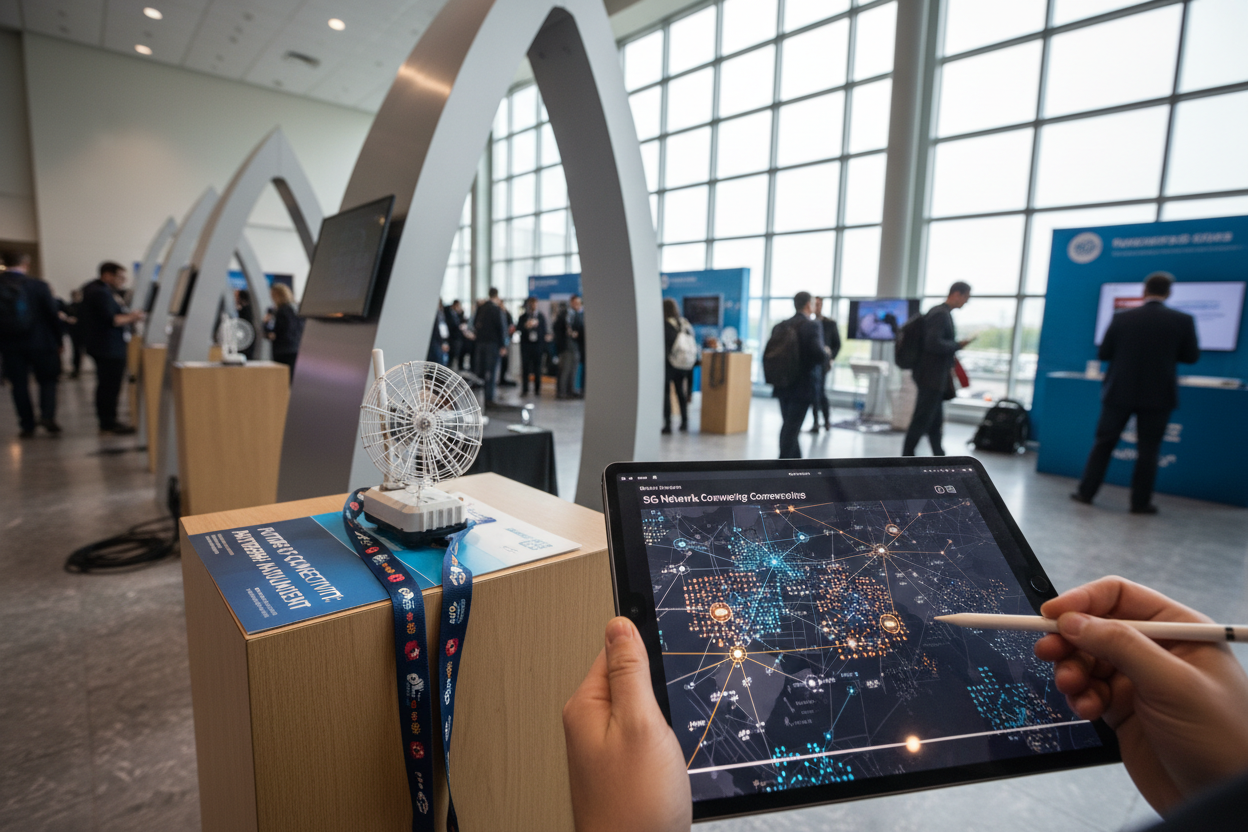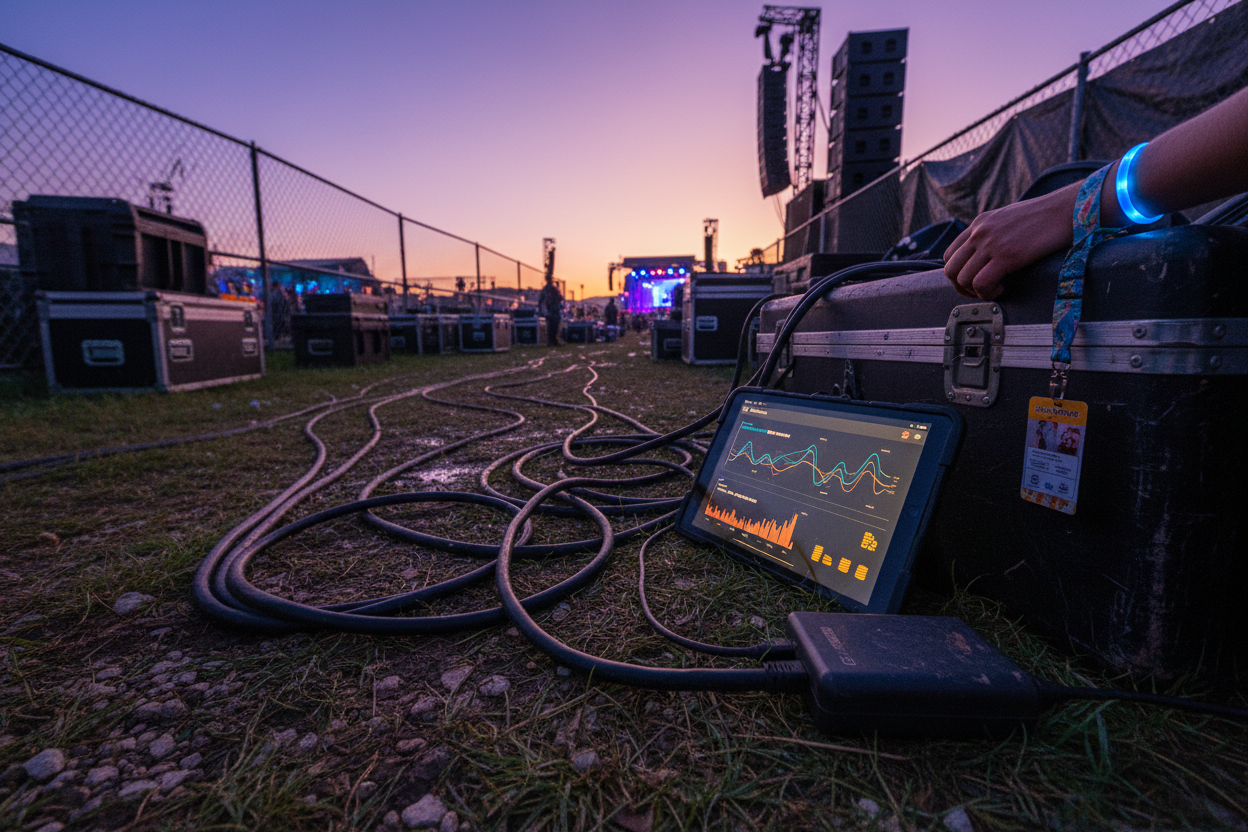


In the packed roar of a stadium or the bustling energy of Liverpool’s high-density venues, reliable 5G connectivity isn’t just nice to have; it’s the backbone of modern experiences. Weaver Labs is pushing boundaries with its Cell-Stack platform, deploying DePIN 5G OpenRAN solutions that blend blockchain-driven decentralization with robust OpenRAN architecture. These efforts in stadiums and the Liverpool 5G project showcase a strategic pivot toward scalable, software-defined networks that prioritize real-time adaptability over rigid infrastructure.
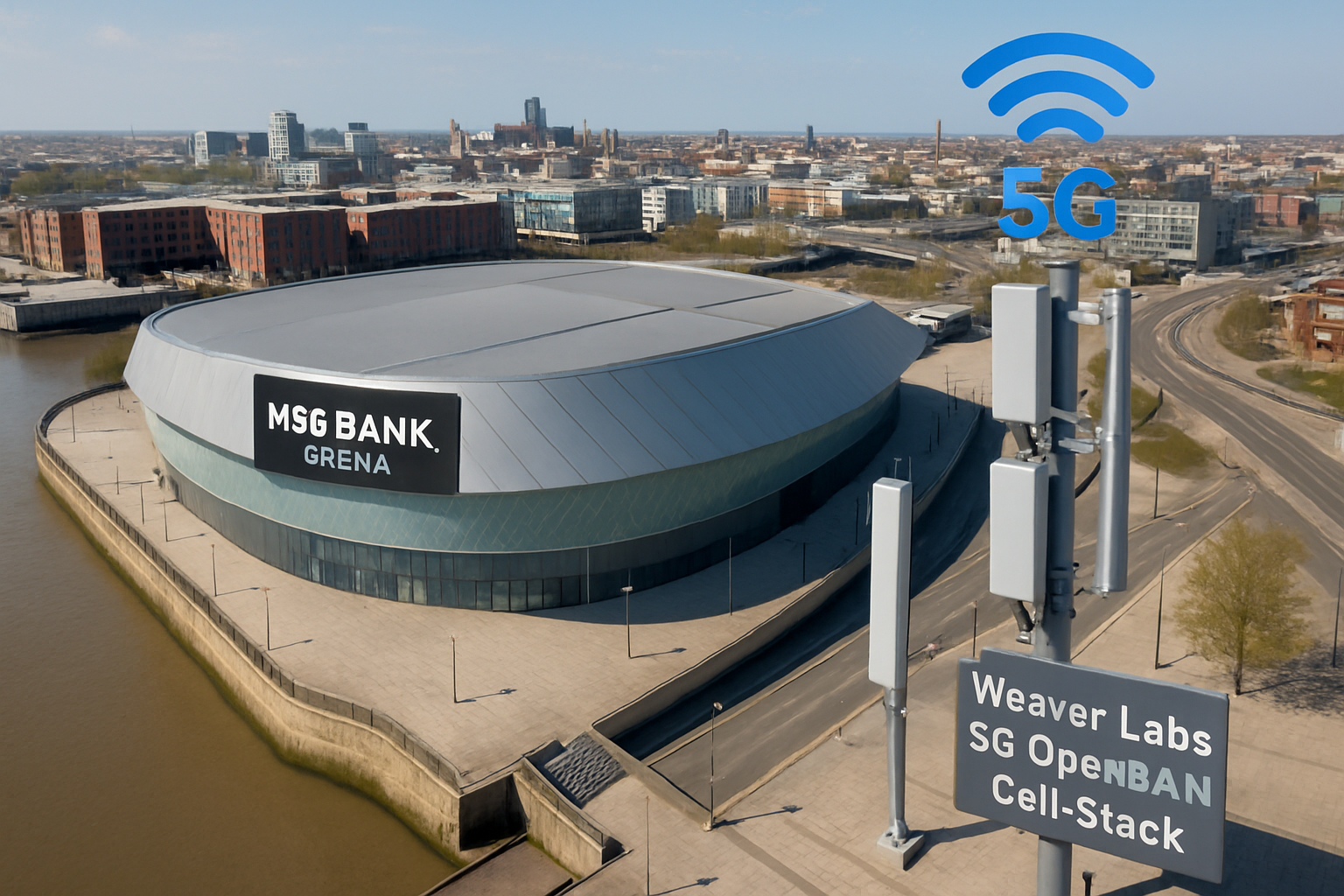
Stadiums present unique challenges: thousands of fans streaming AR overlays, multi-camera feeds, and real-time analytics all strain traditional networks. Cell-Stack addresses this by orchestrating OpenRAN components in a decentralized manner, enabling private 5G networks that integrate seamlessly with existing systems. No disruptive overhauls required; instead, immediate value through edge computing and automation. This approach aligns perfectly with DePIN principles, where incentives drive network expansion and reliability.
Liverpool City Region High Demand Density Project
Launched in July 2025, the £9 million Liverpool City Region High Demand Density (LCR HDD) project marked a milestone for decentralized wireless stadiums. Weaver Labs teamed up with Qualcomm Technologies to tackle connectivity blackspots in venues like the M and S Bank Arena. Their Weaver Labs Cell-Stack platform served as the orchestration hub, managing OpenRAN elements across trial sites and delivering 5G Standalone (SA) networks tailored for crowd surges.
Qualcomm’s Dragonwing RAN Automation Suite complemented Cell-Stack, fully automating deployment and operations. The result? A cloud-native setup that adapted dynamically to variable demands, proving the viability of OpenRAN DePIN deployments in real-world chaos. Trials at the arena validated performance metrics, from latency under load to seamless scalability, setting a global benchmark for high-density 5G.
What stands out strategically is Cell-Stack’s Network-as-a-Service model. Organizations gain tools to deploy, manage, and even monetize private 5G edges without vendor lock-in. In Liverpool, this meant transforming a venue into a digital powerhouse, ready for immersive fan interactions.
Project ARANA: Software-Defined 5G for Venues
Building on Liverpool’s success, Project ARANA, funded by the Future Telecoms Challenge, positioned Weaver Labs as a leader in stadium 5G networks. Testbeds at Milton Keynes Dons Stadium and Grimsby Port integrated 5G, fiber, and satellite under Cell-Stack’s unified platform. The focus: service differentiation and user-centric Quality of Experience (QoE).
Here, decentralization shines. Cell-Stack enables interoperable environments where networks self-optimize via AI-driven insights, much like DePIN tokens incentivize coverage in underserved areas. Early results hinted at new revenue streams, from premium AR experiences to operational efficiencies for venue managers.
Opinionated take: While hype surrounds DePIN, Weaver Labs tempers it with discipline. Their deployments emphasize proven OpenRAN standards, avoiding the pitfalls of untested blockchain overlays. This balance positions Liverpool 5G project outcomes as investable blueprints for global rollouts.
Strategic Partnerships Fuel Stadium Transformations
Weaver Labs didn’t go solo. Collaborations with TENSION and Onsite Sport targeted stadium 5G networks, deploying high-capacity private 5G via Cell-Stack for edge infrastructure. Imagine fans accessing multi-camera streams and AR overlays without buffering; that’s the promise, unlocked alongside existing systems.
In Milton Keynes trials, AI and 5G converged to boost signals during events, per University of Bristol insights. Cell-Stack’s software-defined edge turned stadiums into smart venues, enhancing operations from ticketing to security. For DePIN enthusiasts, this signals untapped potential: decentralized incentives could crowdsource coverage expansions, much like Helium’s IoT model but scaled for 5G throughput.
These partnerships extend beyond trials, embedding DePIN 5G OpenRAN into operational realities. TENSION’s expertise in immersive content pairs with Onsite Sport’s venue insights, channeling Cell-Stack’s edge capabilities toward fan-centric innovations. Picture real-time AR stats overlays syncing with live action, all powered by low-latency private networks that scale without compromise.
Key Cell-Stack Benefits for Stadium 5G
-
Seamless Integration with existing infrastructure: Cell-Stack deploys without disruption, running alongside current systems at venues like M&S Bank Arena. Learn more
-
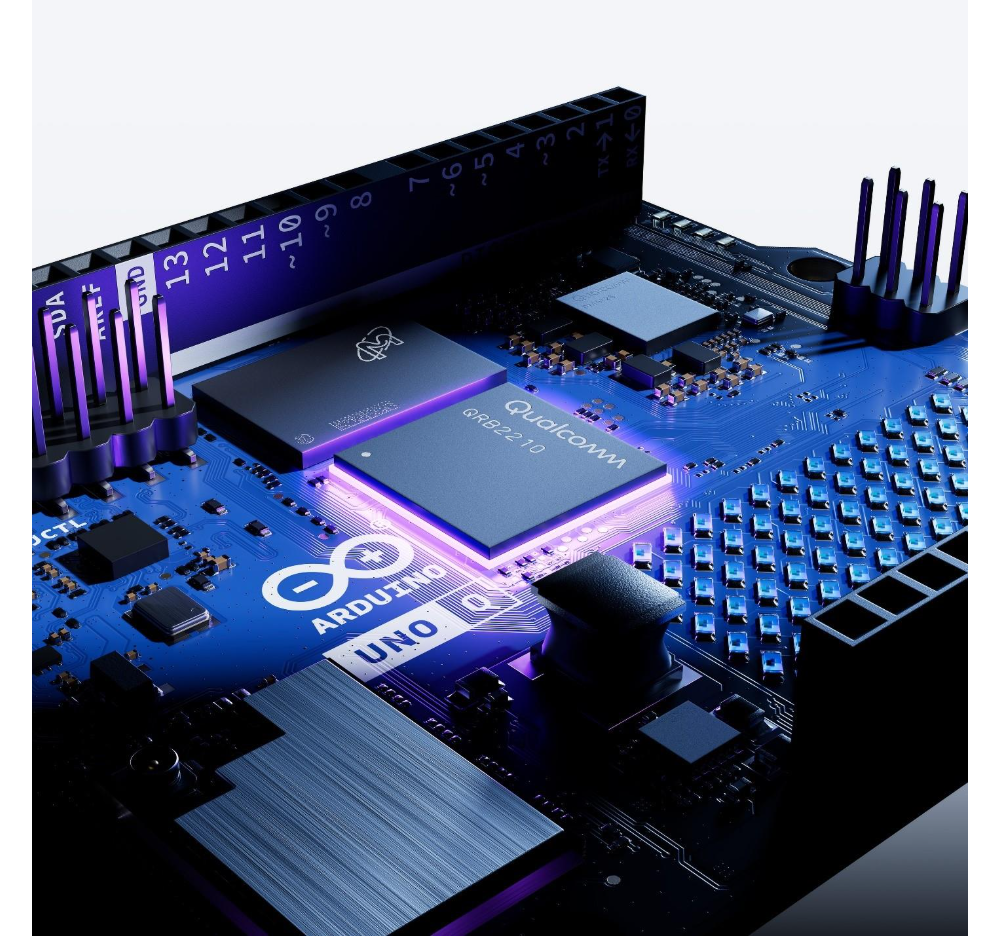
AI-Driven Auto-Optimization: Leverages Qualcomm’s Dragonwing RAN Automation Suite for real-time adaptation in high-density crowds, as trialed in Liverpool projects.
-
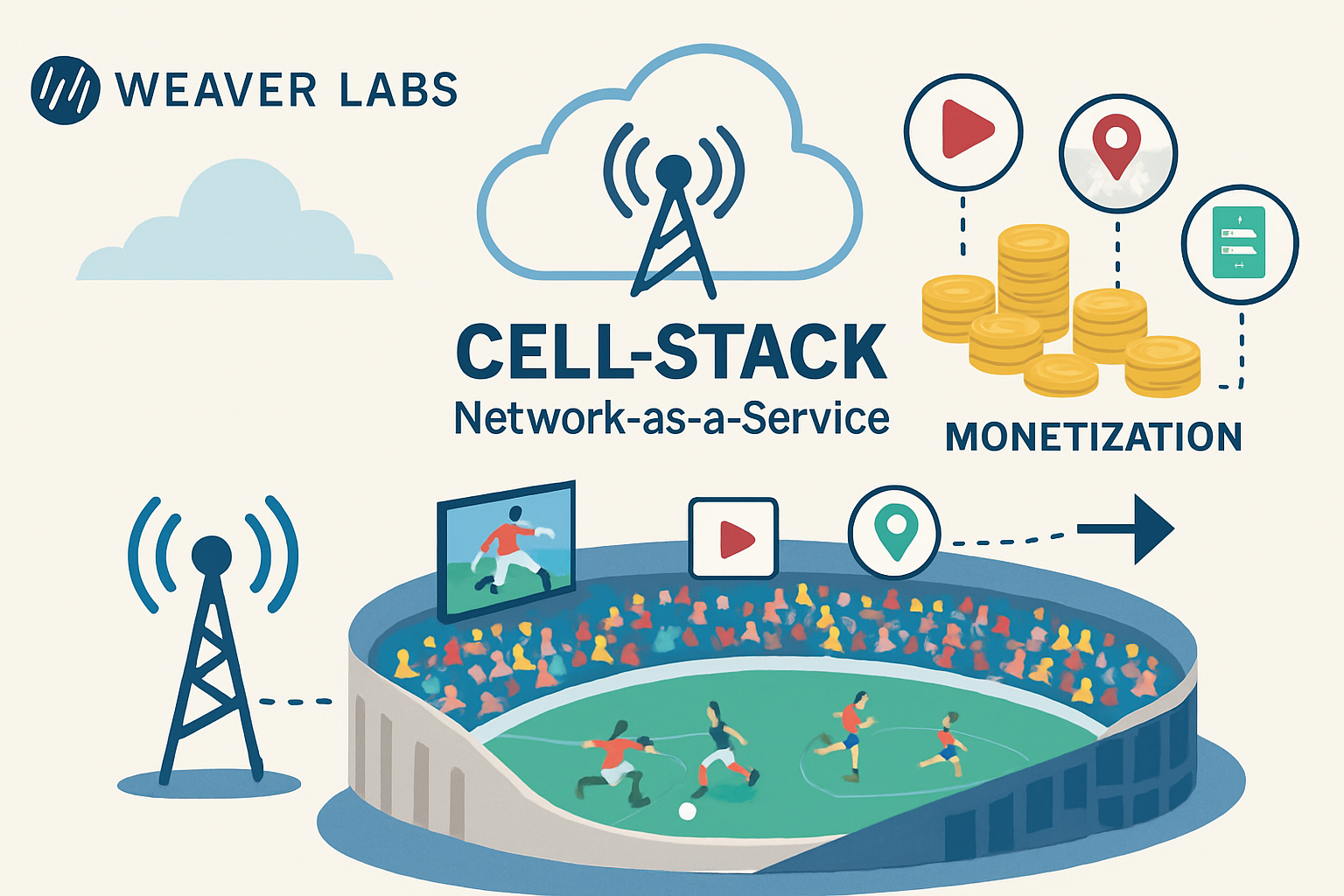
Monetization via Network-as-a-Service: Enables organizations to deploy, manage, and monetize private 5G networks, unlocking new revenue streams in stadiums.
-
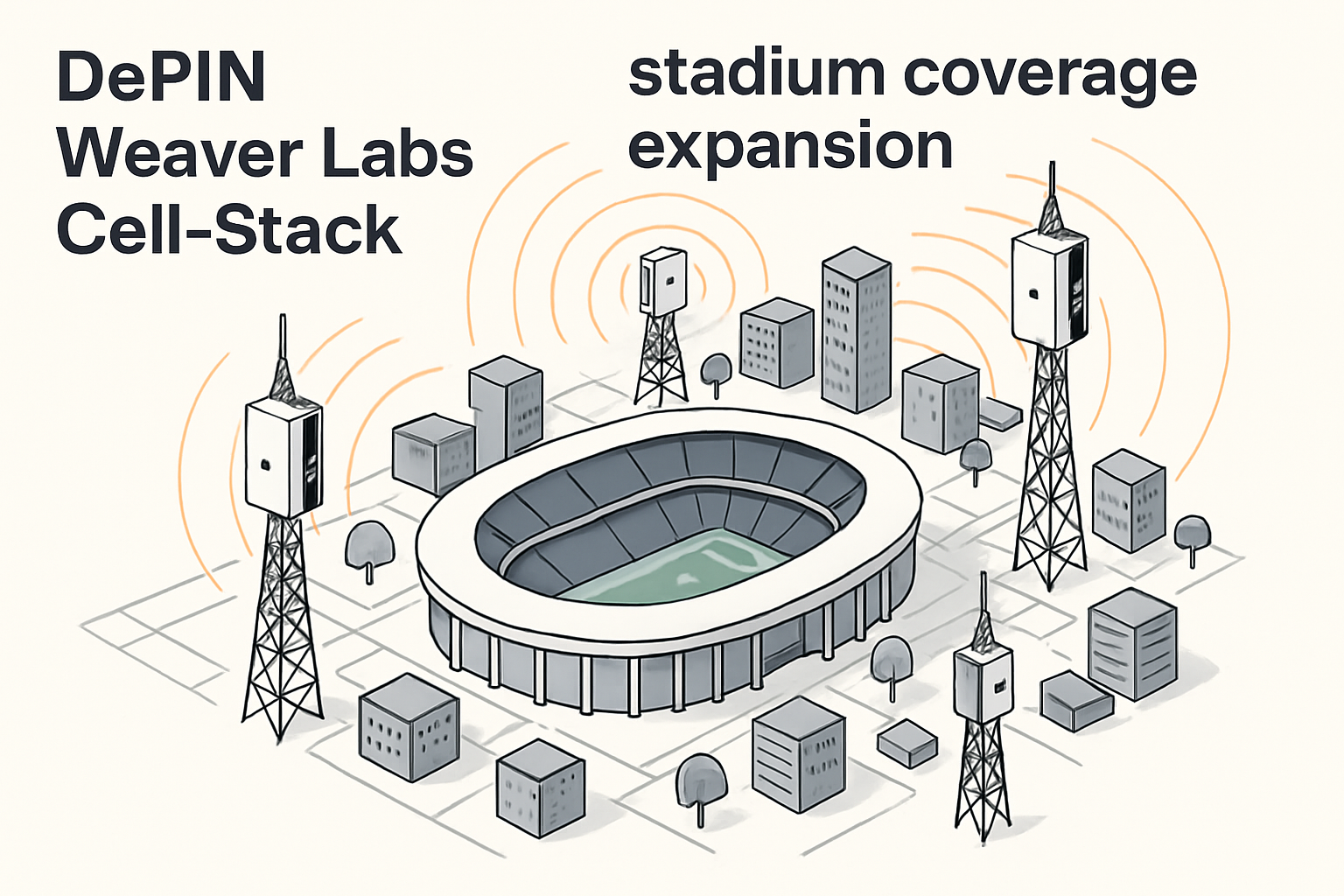
DePIN Incentives for coverage expansion: Decentralized networks scale fan experiences and smart operations, powering projects like ARANA at Milton Keynes Dons Stadium.
DePIN’s true edge emerges in incentive structures. Unlike centralized carriers bogged down by capex, Cell-Stack leverages blockchain to reward node operators for uptime and capacity in high-demand zones. Stadium operators, for instance, could tap tokenomics to subsidize expansions, mirroring Helium’s success but turbocharged for 5G’s bandwidth needs. This shifts stadiums from cost centers to revenue generators, where connectivity fuels secondary markets like premium data feeds or metaverse tie-ins.
Monetization Unlocked: Network-as-a-Service in Action
Cell-Stack’s platform isn’t just about deployment; it’s a full-stack enabler for profitability. In Project ARANA, Weaver Labs demonstrated how venues monetize slices of private 5G spectrum for differentiated services. Event organizers slice networks for VIP AR access, while operators sell edge compute to advertisers for hyper-local targeting. Early metrics from Liverpool suggest 3x ROI potential in decentralized 5G OpenRAN for stadiums and ports, blending capex savings with recurring SaaS revenue.
Strategically, this disrupts the telco monopoly. Traditional MNOs face high opex in stadiums due to temporary demand spikes; Cell-Stack flips the script with pay-per-use models. Investors eyeing DePIN should note the flywheel: more deployments attract liquidity to native tokens, funding further OpenRAN hardware proliferation. Weaver Labs’ disciplined approach, prioritizing O-RAN Alliance compliance, mitigates risks that plague speculative projects.
From a portfolio lens, these initiatives align hybrid strategies blending crypto yields with infrastructure tangibles. Stadium 5G networks represent a $50 billion addressable market by 2030, per analyst forecasts, with DePIN capturing the decentralized sliver through agile platforms like Cell-Stack.
Global Scalability and Investor Opportunities
Weaver Labs’ playbook from Liverpool and Milton Keynes scales effortlessly to NFL arenas or Asian megavenues. Grimsby Port trials extended the model to logistics, proving Cell-Stack’s versatility across verticals. Here, OpenRAN DePIN deployments shine: modular radios from multiple vendors, orchestrated via software, reduce costs by 40% while boosting interoperability.
Challenges remain, spectrum allocation and regulatory hurdles, but Weaver’s track record tempers optimism with realism. Their avoidance of over-hyped narratives, focusing instead on validated KPIs like 99.999% uptime under 20,000-user loads, builds credibility. For tech investors, this is prime territory: early stakes in Cell-Stack ecosystem plays could mirror Helium’s 2021 multiples, albeit with 5G’s superior defensibility.
Ultimately, Weaver Labs positions decentralized wireless stadiums as the next frontier, where blockchain meets bandwidth in profitable harmony. As crowds return to venues worldwide, Cell-Stack ensures connectivity evolves from bottleneck to battleground advantage, rewarding those who deploy with discipline today.
About the Author