DePIN wireless 2026 market overview
The decentralized physical infrastructure network (DePIN) sector has moved past its speculative infancy. By early 2026, the combined market capitalization of DePIN projects surpassed $9 billion, with wireless connectivity emerging as a primary driver of this growth. This shift marks a transition from token speculation to tangible utility, as networks begin to deliver real-world value through IoT device connectivity and smart city infrastructure.
Wireless DePIN projects are no longer just theoretical concepts; they are actively keeping IoT devices online in urban environments. The sector now boasts genuine infrastructure and real revenue streams in several key projects, supported by structural tailwinds from the broader AI boom. This maturation suggests that wireless DePIN is becoming a critical layer for decentralized data collection and transmission.
To understand the current valuation dynamics, we can look at the price action of leading wireless DePIN tokens. The following chart illustrates the recent performance of Helium (HNT), a benchmark asset in the wireless DePIN space.
Helium Mobile Network Performance
Helium Mobile has established itself as the market leader in decentralized cellular coverage, transforming idle hardware into a functioning public utility. By leveraging the Helium network's existing infrastructure, the project enables subscribers to access reliable 4G LTE service without the massive capital expenditure required by traditional carriers. This model relies on a distributed network of Hotspots, where users contribute coverage in exchange for data rewards and network incentives.
The network's growth is driven by both subscriber adoption and hardware deployment. As more users join the network, the density of coverage improves, creating a positive feedback loop that attracts new participants. The Helium Mobile app provides a seamless onboarding experience, allowing users to activate eSIMs and start using the network immediately. This ease of access has been a key factor in the project's rapid expansion across the United States and into new international markets.
Investor interest in the underlying HNT token reflects the network's tangible utility. Unlike speculative assets, HNT is directly tied to the value of the physical infrastructure it secures. The tokenomics are designed to reward hotspot operators and mobile subscribers, aligning incentives across the ecosystem. This utility-driven demand provides a fundamental floor for the token's value, distinguishing it from purely speculative DePIN projects.
Emerging Wireless Mesh Contenders
While Helium dominates the headline space, a wave of specialized DePIN wireless projects is gaining traction by targeting specific gaps in connectivity. These networks prioritize rural broadband access and IoT mesh protocols, offering alternative tokenomics and hardware strategies for 2026.
Titan Network
Titan Network focuses on decentralized internet connectivity with a strong emphasis on mobile and fixed wireless access. Its architecture allows users to provide bandwidth in exchange for rewards, aiming to bridge the digital divide in underserved areas. The project’s token utility is tightly coupled with data consumption, creating a circular economy that rewards infrastructure providers directly.
Meson Network
Meson Network leverages a mobile-first approach to build a global mesh network. By utilizing smartphones as nodes, it reduces the hardware barrier to entry compared to traditional gateway models. This strategy is particularly effective for IoT applications and emergency response scenarios where traditional infrastructure is unavailable or compromised.
XAI (XAI Network)
XAI Network combines decentralized wireless infrastructure with AI-driven data management. Its focus extends beyond simple connectivity to include intelligent data routing and security. This dual-layer approach appeals to enterprise users seeking secure, scalable IoT solutions that can adapt to dynamic network conditions in real time.
Comparison of Key Metrics
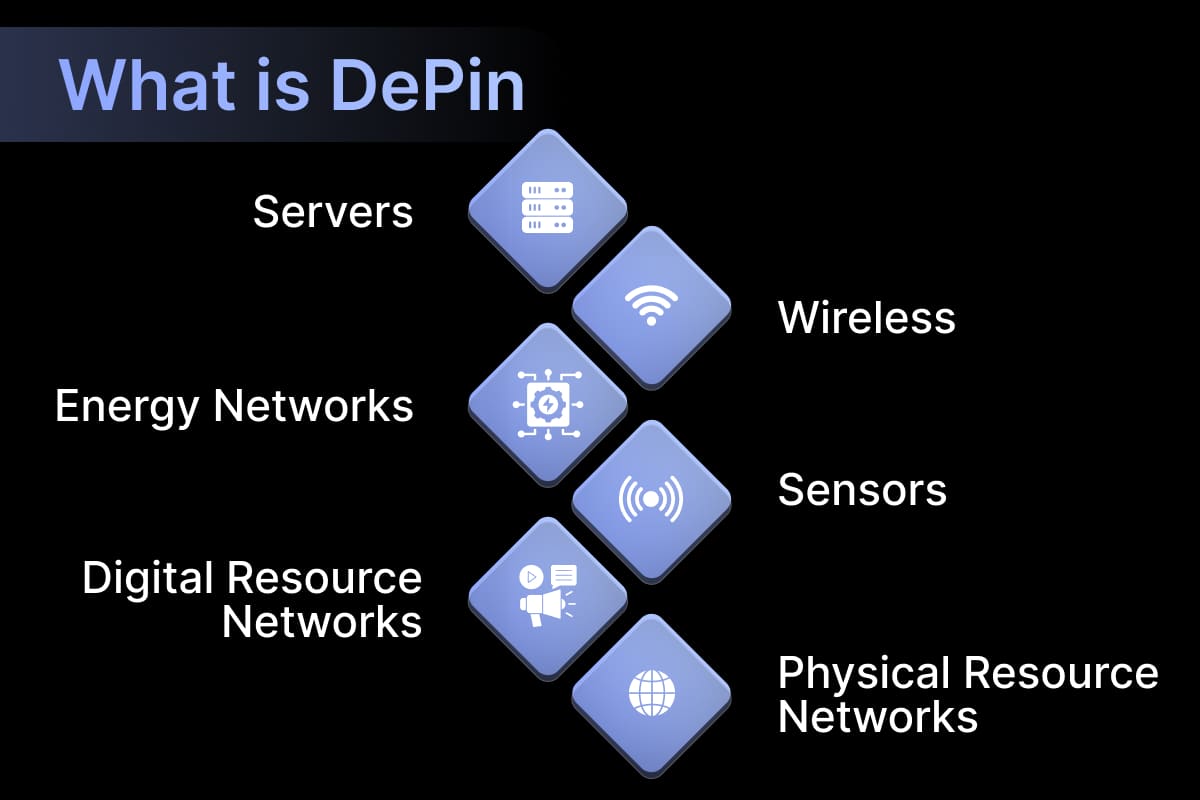
| Project | Primary Focus | Hardware Requirement | Token Utility |
|---|---|---|---|
| Helium | IoT & Mobile | Gateways / Hotspots | Data Transfer |
| Titan Network | Fixed & Mobile | Dedicated Nodes | Bandwidth Access |
| Meson Network | IoT Mesh | Smartphones / SBCs | Network Participation |
| XAI Network | AI-Driven IoT | Specialized Edge Nodes | Data & Compute |
These emerging contenders demonstrate that DePIN wireless is evolving beyond a single dominant protocol. By diversifying their technical approaches and token models, they are creating a more resilient and inclusive global infrastructure layer.
How Wireless DePIN Networks Generate Revenue
The question of whether DePIN is a good investment hinges on whether the network generates real cash flow or relies solely on speculative token emissions. In March 2026, the sector has matured past pure hype. While the broader market cap has grown, genuine revenue is still concentrated in a handful of projects that have built actual infrastructure [[src-serp-8]].
Data Usage Fees vs. Token Inflation
Real revenue in wireless DePIN comes from data usage fees paid by enterprises or consumers for connectivity. This is fundamentally different from token emissions, which are new tokens minted to incentivize hardware deployment. Networks that successfully monetize data traffic create a sustainable loop where users pay for service, and operators earn from those fees rather than just selling inflated tokens.
The Revenue Gap
Most DePIN projects still struggle to match their operational costs with actual data revenue. The sector’s market capitalization often outpaces its actual income, creating a disconnect. For an investor, this means distinguishing between projects with viable business models and those that are purely speculative. The "good investment" narrative only holds for projects where the token price is supported by real-world utility and consistent cash flow.
Market Context
To understand the current valuation of these networks, it helps to look at the broader crypto market trends that influence investor sentiment and capital flow into infrastructure projects.
Key Takeaway
Focus on projects where data fees exceed token emission costs. If the network cannot generate enough revenue from its users to cover its operational expenses, it remains a speculative asset rather than a utility investment.
Who owns the wireless hardware?
In a DePIN wireless network, the physical infrastructure belongs to the people who install it, not a central utility company or telecom monopoly. You buy the gateway or hotspot, place it in your home or office, and connect it to the internet. This ownership model shifts the role of the consumer from a passive subscriber to an active infrastructure provider.
This decentralization creates a more resilient network. Because the hardware is distributed across thousands of individual nodes, the network can withstand localized failures that might take down a centralized cell tower. It also lowers the barrier to entry for network expansion, allowing communities to build coverage organically.
The hardware itself is evolving. Early DePIN projects relied on bulky, specialized mining devices, but the 2026 landscape is shifting toward consumer-friendly IoT devices. Modern gateways are smaller, more energy-efficient, and often designed to blend into residential environments, making it easier for everyday users to participate.
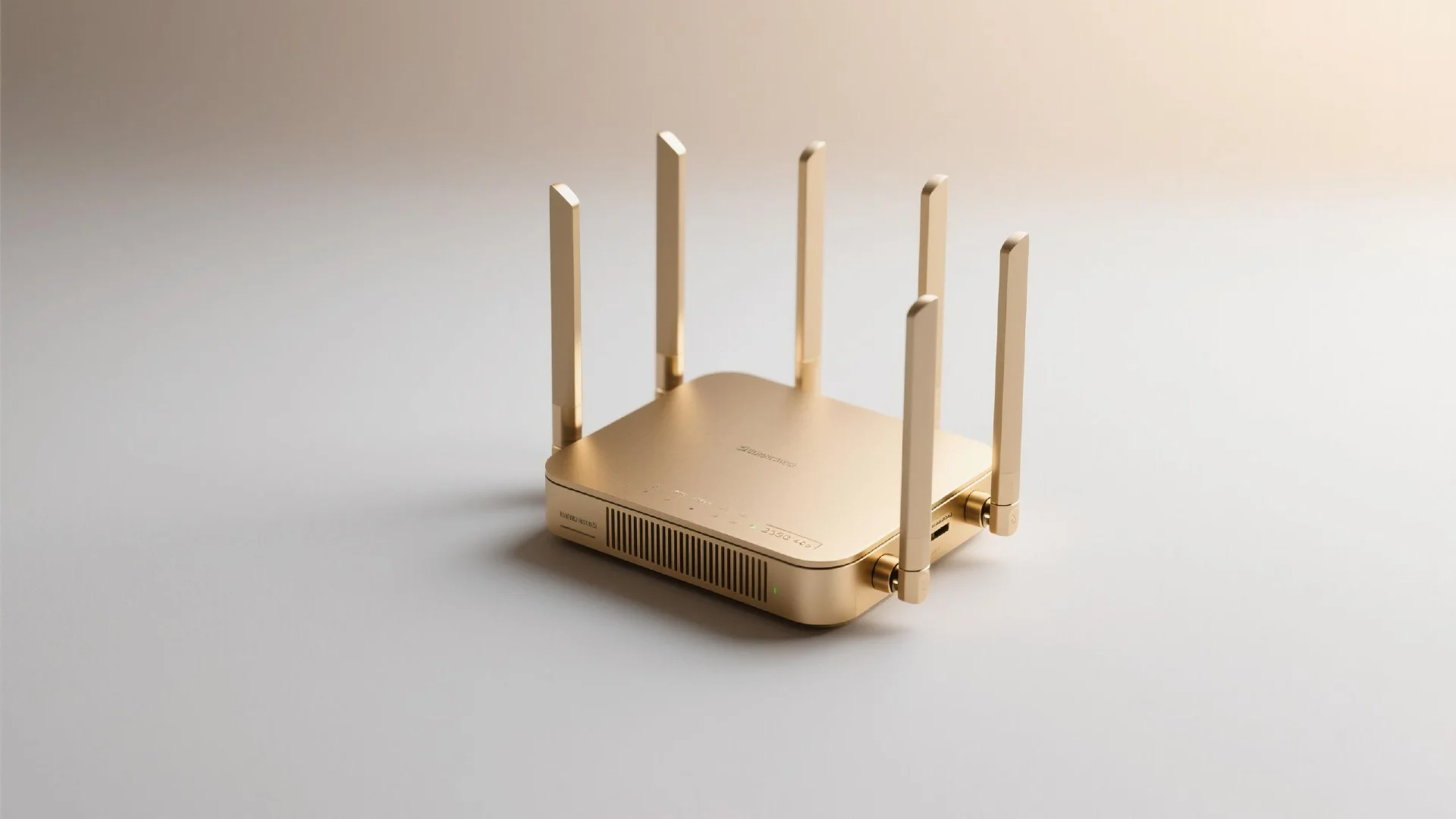
This shift toward accessible hardware is critical for scaling DePIN wireless networks. As devices become more affordable and easier to set up, more individuals can contribute to the network, driving down costs and expanding coverage without the need for massive corporate capital expenditure.
Frequently asked questions about DePIN wireless
Does DePIN have a future?
Decentralized Physical Infrastructure Networks (DePIN) are shifting from speculative experiments to tangible utility. By early 2026, the sector’s combined market capitalization reached $9 billion, with wireless DePIN playing a central role in keeping IoT devices connected for smart cities. The future lies in treating these networks as real infrastructure rather than short-term speculation loops.
Who owns the hardware in DePIN?
Unlike centralized telecoms, DePIN wireless networks rely on distributed ownership. Individual users, community groups, and small businesses often purchase and deploy the routers or gateways themselves. This model lowers entry barriers for connectivity providers and aligns network growth with local demand rather than corporate rollout schedules.
What are the best DePIN projects?
The most robust projects focus on specific verticals like AI compute, wireless coverage, or data storage. Leading wireless initiatives prioritize open protocols and transparent tokenomics to ensure sustainable node operation. Evaluating projects by their actual coverage area and user adoption rates is more reliable than chasing hype around new token launches.
Is DePIN a good investment?
Investing in DePIN wireless carries high risk due to regulatory uncertainty and technology adoption curves. While the underlying infrastructure has long-term value, token prices can be volatile and detached from network fundamentals. Investors should focus on projects with clear revenue models and active communities rather than treating tokens as guaranteed returns.
No comments yet. Be the first to share your thoughts!