DePIN wireless explained for 2026
DePIN wireless represents a shift from centralized utility monopolies to community-owned mesh networks. Instead of relying on a single provider to lay fiber or build towers, these networks use small, distributed hardware nodes to create broadband coverage. This model allows individuals to share spare internet bandwidth, effectively turning everyday devices into infrastructure points.
Traditional ISPs often operate as regional monopolies, limiting competition and keeping prices high in rural areas. DePIN wireless disrupts this by enabling anyone to bootstrap a network and earn rewards for providing connectivity. The result is a more resilient, decentralized grid that scales organically as more users join.
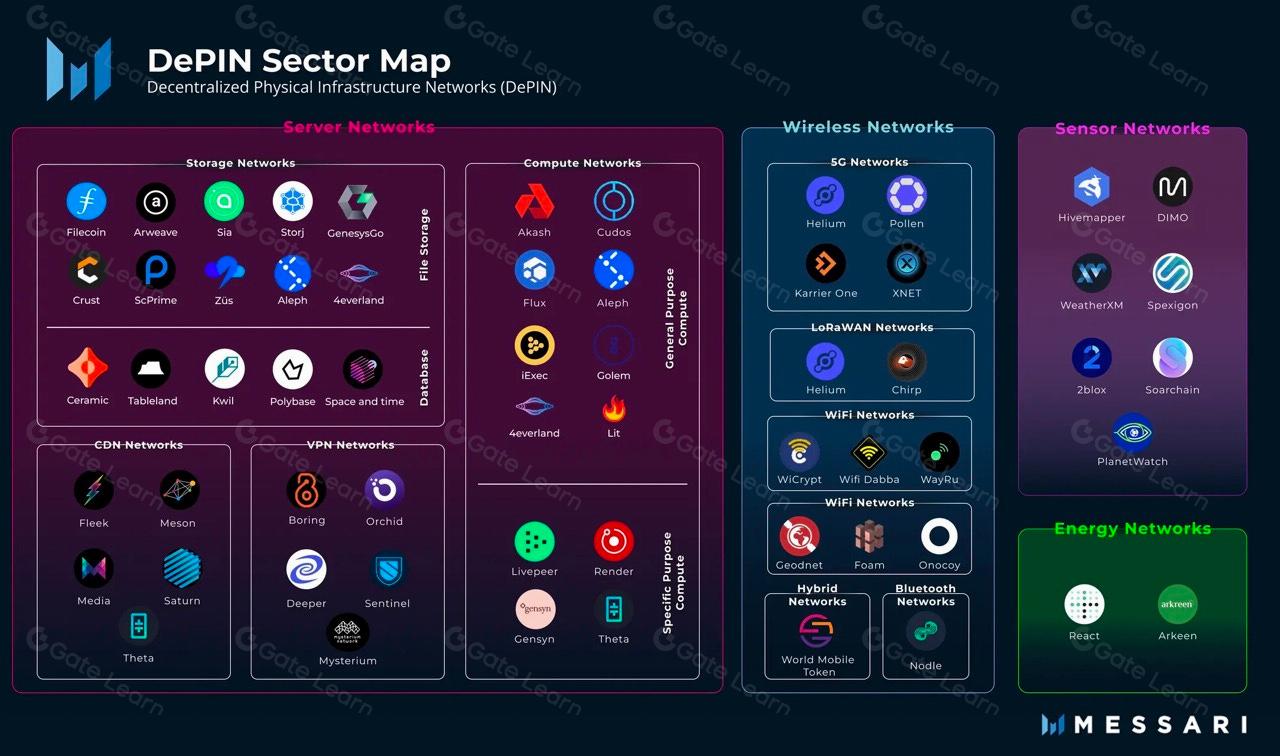
Projects like Helium and Phantom illustrate this shift. Helium’s wireless DePIN uses LoRaWAN and 5G hotspots to cover vast geographic areas, while Phantom leverages Solana for high-speed mobile connectivity. These networks demonstrate that decentralized physical infrastructure can offer a viable, cost-effective alternative to legacy providers.
Why rural areas need mesh infrastructure
Traditional fiber and cable providers face a brutal economic reality in rural regions. The cost to lay physical lines can exceed $27,000 per mile, a figure that makes return on investment nearly impossible for low-density populations. This geographic barrier has left millions without reliable high-speed internet, forcing communities to rely on expensive, slow satellite options or outdated DSL connections.
DePIN wireless networks bypass this infrastructure trap by replacing heavy civil engineering with distributed hardware. Instead of trenching miles of cable, users deploy small, low-cost hotspots that create a mesh network. Each device acts as a node, extending coverage to its neighbors. This approach turns the cost structure upside down, shifting the burden from centralized corporations to individual participants who earn rewards for providing connectivity.
This decentralized model is particularly effective in areas where terrain—mountains, forests, or wide plains—makes traditional wiring prohibitively difficult. By leveraging existing homes and buildings as relay points, DePIN projects like Helium build coverage organically. The result is a network that expands faster and cheaper than any single ISP could manage alone, finally bridging the digital divide in underserved regions.
Leading DePIN wireless projects in 2026
The DePIN wireless landscape in 2026 is defined by a split between established telecom-scale networks and emerging specialized protocols. Helium Mobile remains the dominant force in consumer cellular coverage, leveraging its massive IoT foundation to offer 5G services. Meanwhile, DAWN and similar projects focus on bridging high-performance computing with physical connectivity, targeting enterprise and edge-compute use cases rather than direct-to-consumer voice plans.
Helium Mobile
Helium Mobile has transitioned from a niche IoT network to a primary competitor for rural ISPs. Its coverage map is the most extensive among DePIN projects, offering genuine 5G speeds in many underserved areas. The network relies on user-deployed mobile hotspots, creating a hyper-local mesh that bypasses traditional cell tower bottlenecks. Tokenomics are tied directly to data usage, with users earning $MOB for providing coverage and consuming data.
DAWN Protocol
DAWN Protocol differentiates itself by focusing on decentralized wireless infrastructure for high-bandwidth applications. Rather than competing directly on voice plans, DAWN enables the deployment of private 5G/6G networks for industrial and community use cases. Its consensus mechanism is optimized for low-latency data transmission, making it suitable for applications requiring real-time connectivity, such as autonomous vehicle communication or smart grid management.
Comparison of Key Metrics
The following table summarizes the core differences between the leading DePIN wireless projects. Coverage is measured by active hotspot density, while token utility defines how value accrues to participants.
| Network | Consensus | Primary Use Case | Token |
|---|---|---|---|
| Helium Mobile | Proof of Coverage | Consumer 5G Cellular | MOB |
| DAWN Protocol | Proof of Connectivity | Enterprise & Edge Wireless | DAWN |
| Helium IoT | Proof of Coverage | Low-Power IoT Sensors | HNT |
Market Context
Investing in DePIN wireless requires understanding the volatility of the underlying tokens. While the infrastructure value is tangible, the token price fluctuates with broader crypto market trends. Traders often monitor the HNT/USD pair as a leading indicator for the sector's health, given Helium's market dominance. Use the chart below to track recent price action and volume trends for Helium Network, which often correlates with overall DePIN interest.
Hardware requirements and setup
Joining a DePIN wireless network as a hotspot operator requires specific physical infrastructure. Unlike standard consumer routers, these nodes must bridge local wireless signals to a blockchain ledger. The primary keyword phrase, DePIN wireless network, defines the hardware standard: robust, externally mounted equipment capable of long-range transmission.
1. Select the Network Protocol
Your hardware choice depends entirely on the DePIN project. Helium Mobile uses LoRaWAN and 5G, while Helium IoT relies on LoRaWAN. Other networks may use LoRa, Wi-Fi, or 5G NR. You cannot mix hardware across incompatible protocols. Verify the specific radio frequency and modulation standards required by your chosen provider before purchasing.
2. Acquire Certified Hotspot Hardware
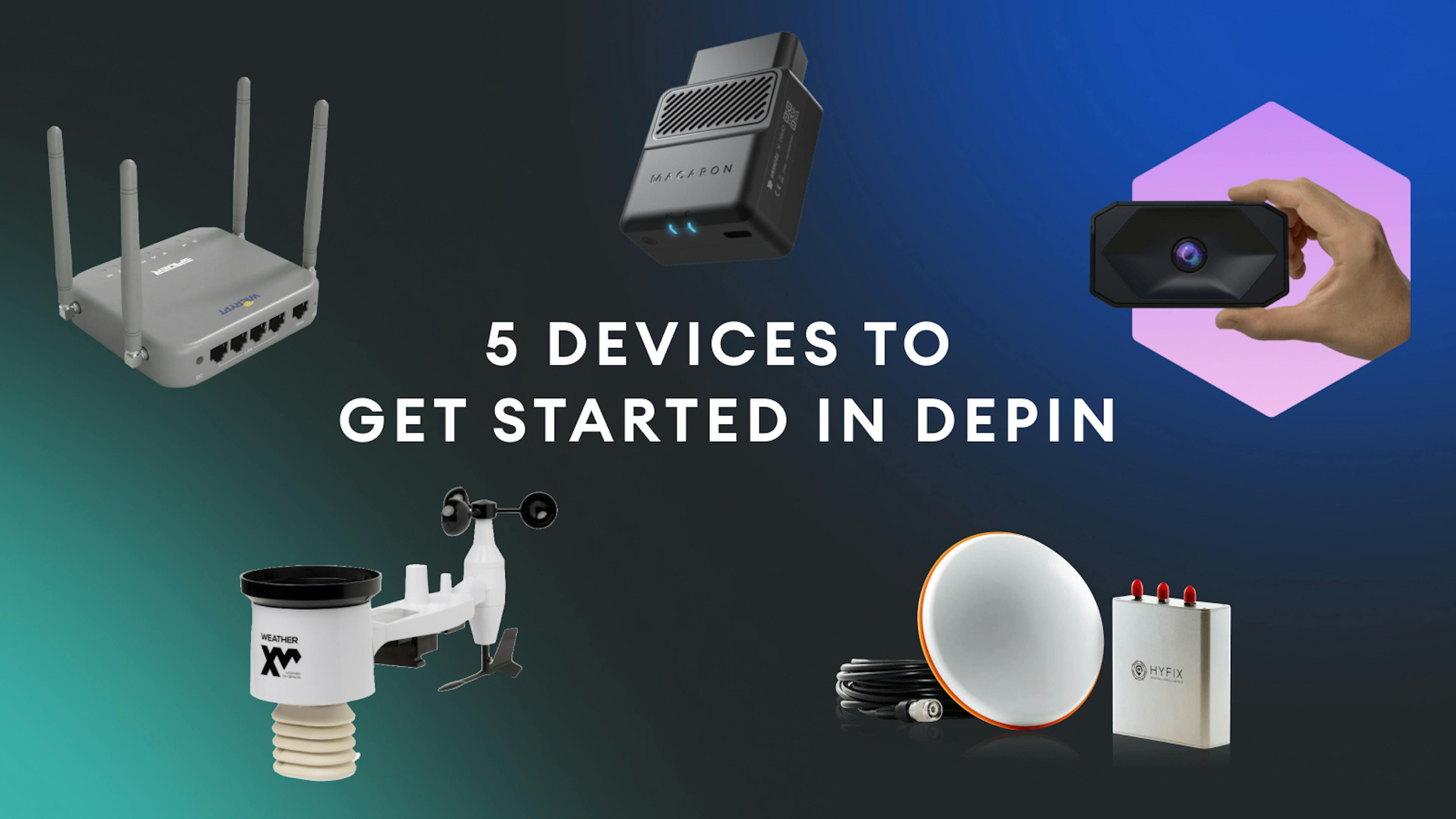
Most networks require certified gateways to ensure signal quality and network integrity. Popular options include the Helium Bobcat 500 or the Xirgo XG-HW-01. These devices integrate the radio modem, antenna, and cellular modem for blockchain reporting. Some projects allow you to use your own LoRa concentrator, but certified units are generally more reliable for passive income.
3. Choose the Right Antenna
The antenna is the most critical component for signal propagation. For rural areas, a high-gain external antenna (10-12 dBi) is standard. Omni-directional antennas broadcast in all directions, while directional antennas focus signal toward a specific coverage gap. Match the antenna connector type (SMA, N-Type) to your hotspot’s radio module. Poor antenna selection is the leading cause of hotspot underperformance.
4. Plan Placement and Height
Signal range is a function of height and line-of-sight. Place your hotspot as high as possible, ideally 30-50 feet above ground. Avoid placing it near large metal objects, thick concrete walls, or other electronic interference sources. If mounting on a roof, use a sturdy mast and ensure proper grounding to protect against lightning strikes.
5. Connect Power and Internet
Your hotspot needs a constant power source and an upstream internet connection. Most gateways connect via Ethernet to your home router. Ensure your internet plan has sufficient upload bandwidth to handle the data relay. For remote sites without wired internet, some providers offer 4G/LTE backhaul options, though latency may increase.
6. Verify on the Blockchain
After installation, use the provider’s mobile app to scan your hotspot’s QR code. This registers the device on the blockchain and begins the coverage map verification process. Monitor your activity metrics for the first 48 hours to ensure the device is actively transmitting and receiving data packets. Adjust antenna tilt if coverage appears uneven.
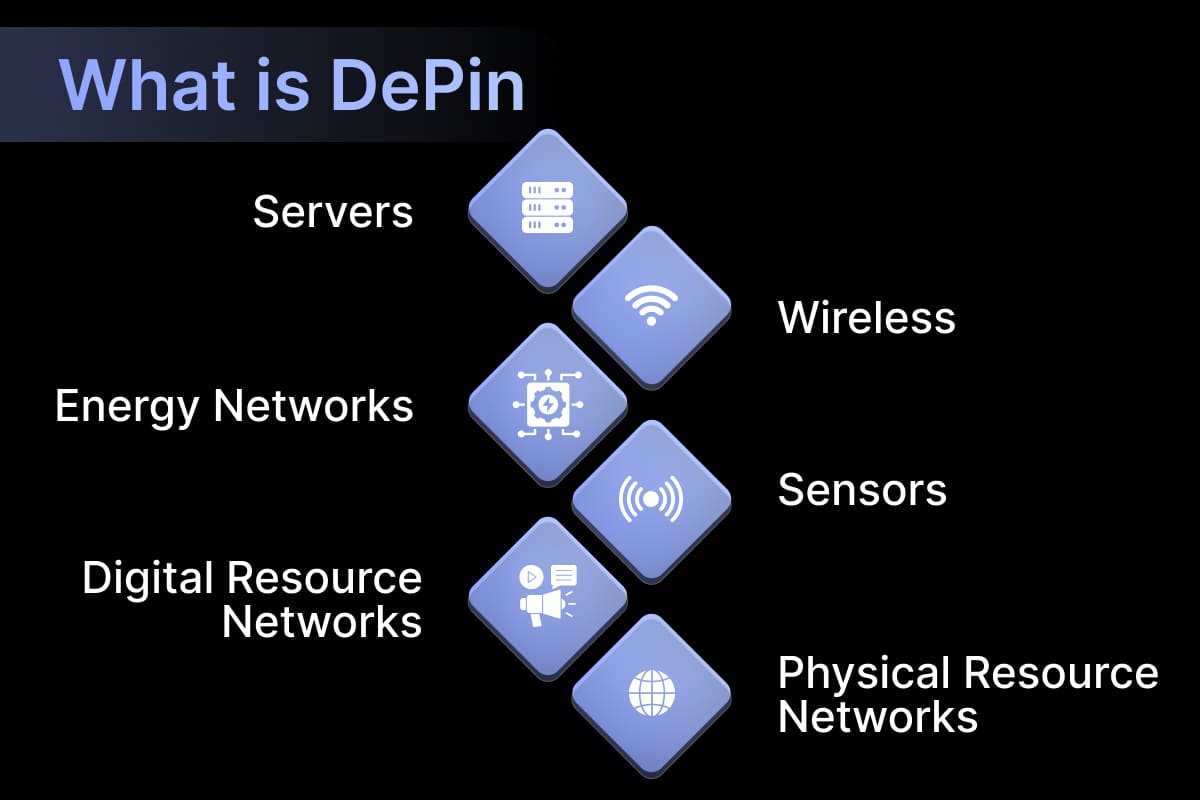
Identify the specific radio standards (LoRaWAN, 5G, Wi-Fi) required by your chosen DePIN project. Hardware is not interchangeable across protocols.
Purchase a certified gateway like the Bobcat 500 or Xirgo. These units combine the radio, modem, and blockchain reporting engine into a single device.
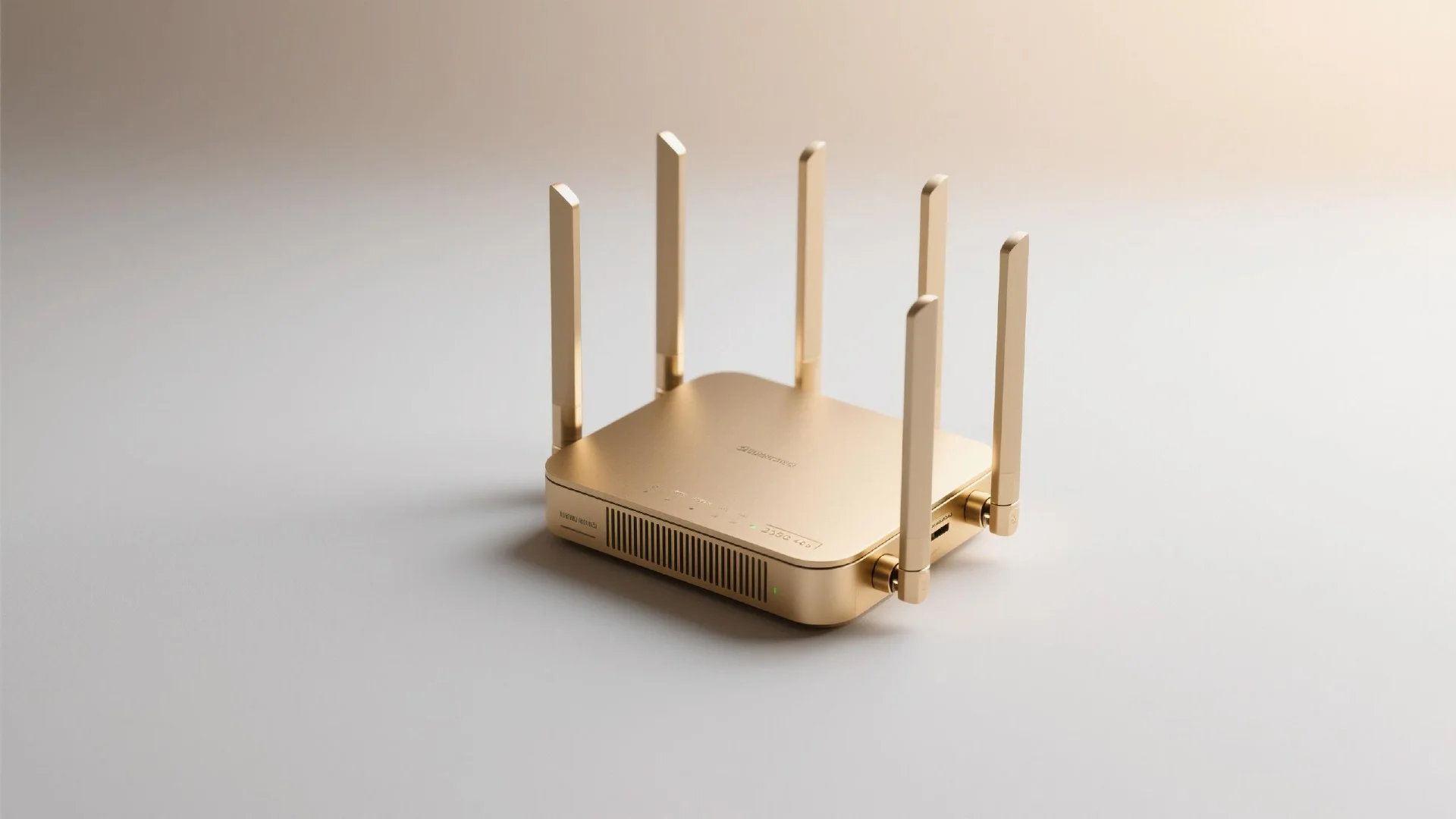
Mount a 10-12 dBi external antenna. Ensure the connector type matches your hotspot’s radio module and position it for maximum line-of-sight.
Place the hotspot 30-50 feet above ground. Avoid metal obstructions and thick walls. Height is the primary driver of coverage range.
Connect the hotspot to a stable power source and upstream internet via Ethernet. Ensure your upload bandwidth can handle the data relay load.
Register the device using the provider’s app. Monitor activity metrics for 48 hours to confirm active transmission and coverage map inclusion.
| Protocol | Common Hardware | Best Use Case |
|---|---|---|
| LoRaWAN | Bobcat 500, Xirgo XG-HW-01 | IoT sensors, low-bandwidth tracking |
| 5G NR | Helium Mobile Hotspot | Consumer mobile coverage |
| Wi-Fi 6 | Various mesh nodes | Local area coverage, indoor |
Market performance and token risks
DePIN wireless projects like Helium operate on a dual-economy model that often confuses traditional investors. You are buying infrastructure hardware, but your returns are tied to a speculative utility token. This structure creates a unique volatility profile where the cost of the physical node and the value of the mined reward are decoupled.
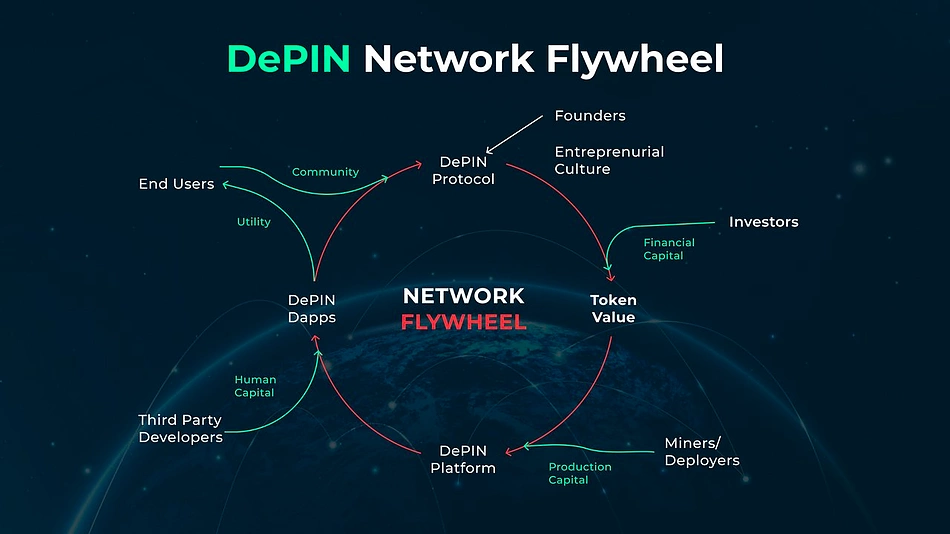
The financial health of a DePIN network depends on sustainable reward mechanisms. If the token price drops below the operational cost of maintaining the hotspot, coverage shrinks, and the network becomes less valuable. This feedback loop is why token volatility is the single biggest risk factor for rural ISP replacements.
"DePIN is not a tech idea but a strategic advancement that is a distributed, cost-effective, and powered with community-driven approach." — Titan Network, Best DePIN Projects 2026
Market sentiment for DePIN tokens has shifted from pure hype to utility-based valuation. Investors now scrutinize actual data transmission volumes rather than just node count. This transition is critical for long-term viability, as infrastructure must generate real revenue to support token demand.
No comments yet. Be the first to share your thoughts!