How We Picked the Best DePIN Wireless Projects
Selecting the right projects for this roundup required looking past the hype to find infrastructure that actually works. We focused on networks leveraging 5G-Advanced and WiFi 7 mesh capabilities to solve real edge computing bottlenecks, rather than abstract crypto concepts. Our goal was to identify seven distinct players that demonstrate tangible utility in decentralized physical infrastructure.
We evaluated each candidate based on three strict criteria: proven hardware deployment, clear tokenomic incentives for node operators, and compatibility with emerging wireless standards. We prioritized projects with official documentation and verifiable testnet or mainnet activity, filtering out those with only whitepaper ambitions. This approach ensures you’re looking at tools that are either live or on the immediate horizon, not just theoretical models.
The list below includes a mix of fixed wireless access providers, edge compute aggregators, and mesh network specialists. Each entry highlights specific hardware requirements and network capabilities, giving you a practical view of where the 2026 DePIN wireless boom is actually heading.
7 2026 DePIN Wireless Boom: How 5G-Advanced & WiFi 7 Mesh Networks Are Revolutionizing Edge Computing
The convergence of 5G-Advanced and WiFi 7 is transforming decentralized physical infrastructure networks (DePIN) by enabling low-latency edge computing at scale. This shift allows wireless mesh nodes to handle real-time data processing locally, reducing reliance on centralized cloud resources. Here are seven key technologies driving this wireless boom in 2026.
-

Decentralized 5G Small Cell Hardware
The foundation of DePIN wireless relies on compact small cells that plug into existing power grids. Providers deploy these units in dense urban areas to offload macro-cell traffic, earning rewards for verified coverage maps. Look for hardware supporting 3GPP Release 17 features, which enable better interference management and lower power consumption compared to older LTE-only devices. Proper placement near windows ensures line-of-sight connectivity, maximizing the signal strength reported to the network protocol. -

WiFi 7 Mesh Router Specifications
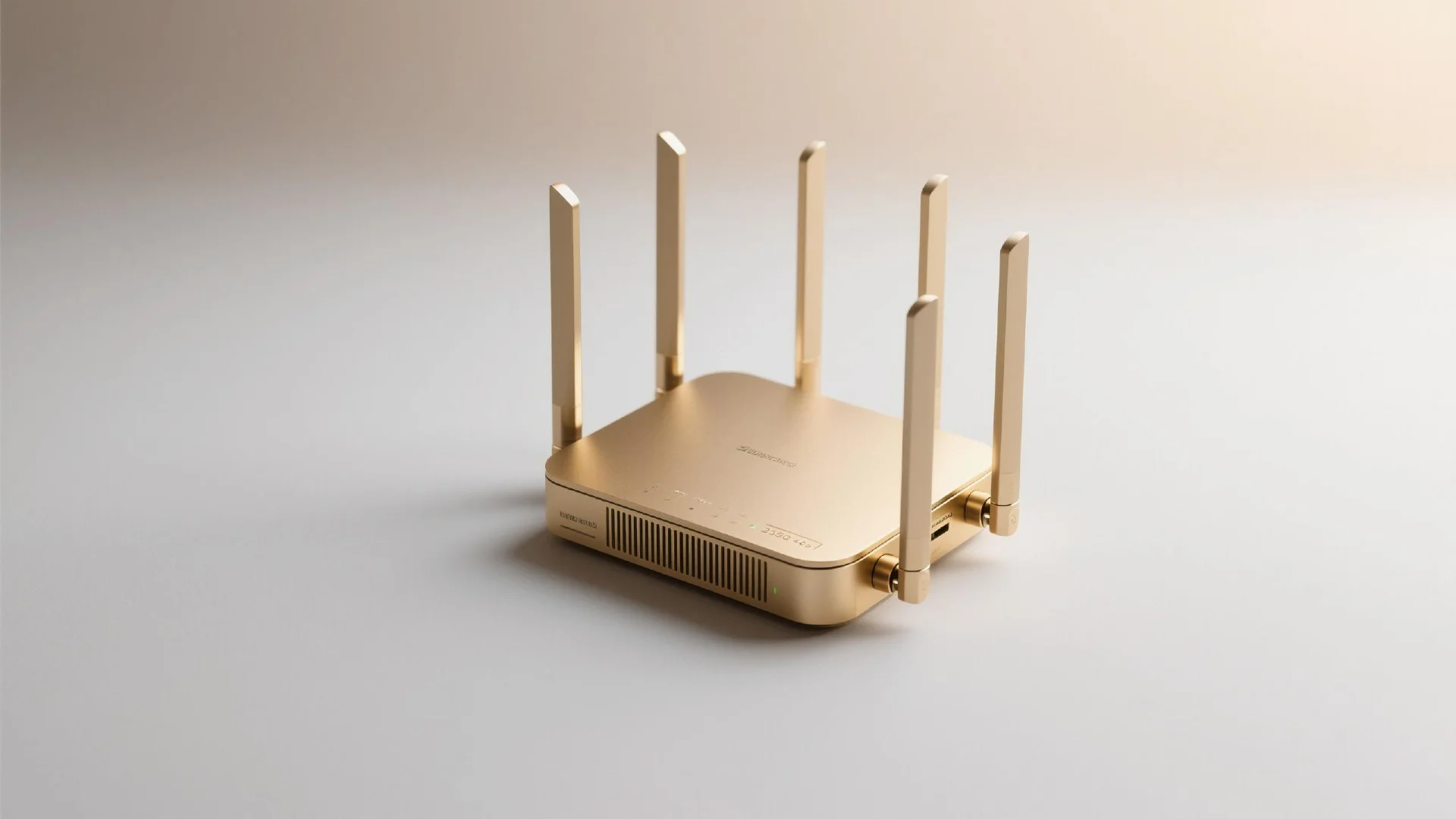
WiFi 7 introduces 320 MHz channels and multi-link operation, drastically reducing congestion in shared residential spaces. For DePIN nodes, routers must support these wide bandwidths to handle high-throughput edge data offloading efficiently. Check for hardware with dedicated 6 GHz radios, as they offer cleaner spectrum compared to crowded 2.4 GHz bands. Mesh systems that synchronize seamlessly ensure consistent latency across all connected devices, preventing bottlenecks during peak usage hours in dense neighborhoods. -
Edge Computing Node Performance Metrics
Effective edge nodes process data locally before transmitting it to the cloud, reducing bandwidth costs and latency. Evaluate hardware based on CPU core count, RAM capacity, and NVMe storage speed, as these directly impact real-time inference tasks. Nodes handling AI workloads require dedicated GPU acceleration or NPU support to maintain performance under load. Regularly monitoring thermal throttling is crucial, as sustained high performance can degrade hardware longevity if cooling solutions are inadequate for the deployment environment. -

DePIN Token Incentive Structures
Tokenomics dictate the sustainability of wireless infrastructure projects by aligning provider rewards with network utility. Analyze emission schedules to understand how quickly rewards dilute over time, impacting long-term profitability. Look for mechanisms that adjust payouts based on actual data throughput or quality of service rather than simple uptime. Transparent governance models allow token holders to vote on parameter changes, ensuring the incentive structure remains fair and competitive as the network scales and matures in the evolving digital economy. -
Network Latency and Throughput Benchmarks
Real-world performance varies significantly from theoretical maximums, making independent benchmarking essential for serious providers. Test latency using ping tests to regional edge servers, aiming for sub-20ms responses in optimal conditions. Throughput should be measured during peak hours to account for congestion, ensuring the hardware maintains stable speeds. Consistent reporting of these metrics builds trust with the network protocol, often resulting in higher reward multipliers for nodes that demonstrate superior reliability and speed compared to the average provider. -

Hardware Deployment Cost Analysis
<p Deploying decentralized wireless infrastructure requires precise capital expenditure modeling beyond hardware acquisition. Operators must factor in site acquisition fees, power consumption rates, and backhaul connectivity costs to determine viable ROI timelines. For 2026, modular 5G-Advanced small cells offer lower upfront costs than traditional macro towers, but maintenance complexity can erode margins. Accurate forecasting ensures sustainable network expansion without overleveraging token incentives against unpredictable operational expenses.</p -

Regulatory Compliance for Wireless Infrastructure
<p Wireless DePIN projects face stringent spectrum licensing requirements that vary by jurisdiction. Operators must navigate local zoning laws, electromagnetic field exposure limits, and frequency allocation rules to avoid service interruptions. Non-compliance risks significant fines and hardware seizure, making legal due diligence critical before deployment. Successful networks integrate compliance checks into their node validation processes, ensuring that decentralized infrastructure adheres to national telecommunications standards while maintaining operational autonomy.</p
How to choose the right DePIN wireless setup
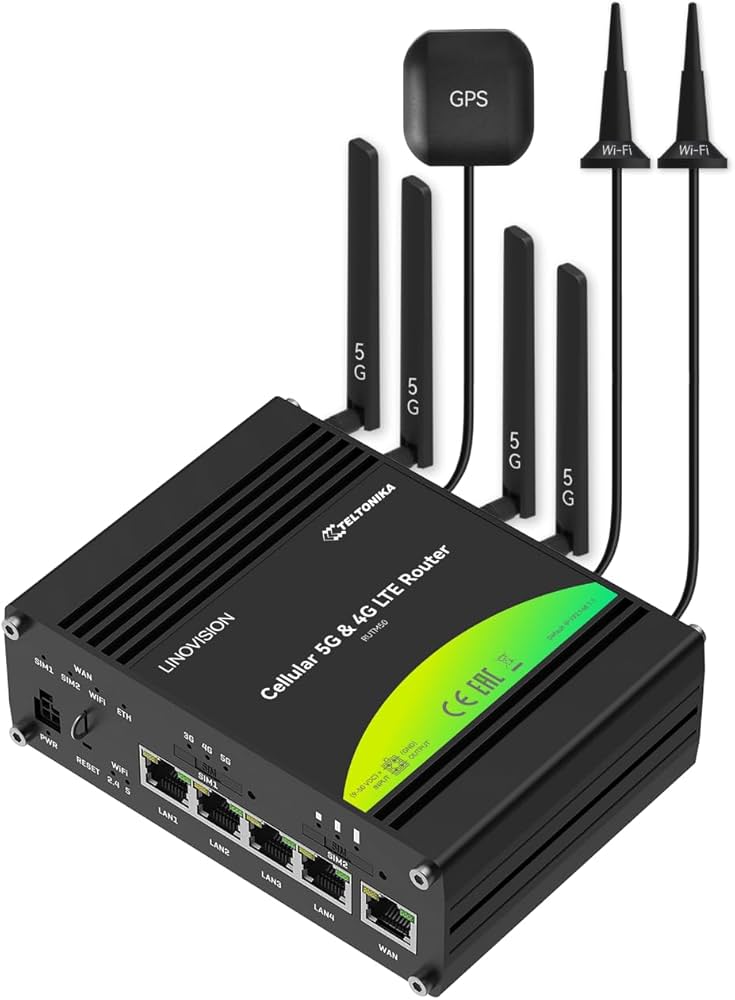
Selecting hardware for a DePIN wireless node requires balancing signal range against the constraints of your physical location. Unlike standard consumer routers, these nodes must maintain a stable, high-throughput connection to the underlying blockchain while serving end-users.

Different regions enforce distinct radio frequency regulations. Ensure your device supports the specific 5G-Advanced or WiFi 7 channels permitted in your area to avoid legal penalties or signal interference.

High-density urban environments benefit from compact mesh nodes that reduce interference, while rural deployments require high-gain antennas to bridge long distances. Check the manufacturer's recommended deployment radius.
Not all DePIN projects support every router model. Verify that your chosen hardware is whitelisted for the specific network (e.g., Helium Mobile, DAWN, or Hivemapper) before purchasing.
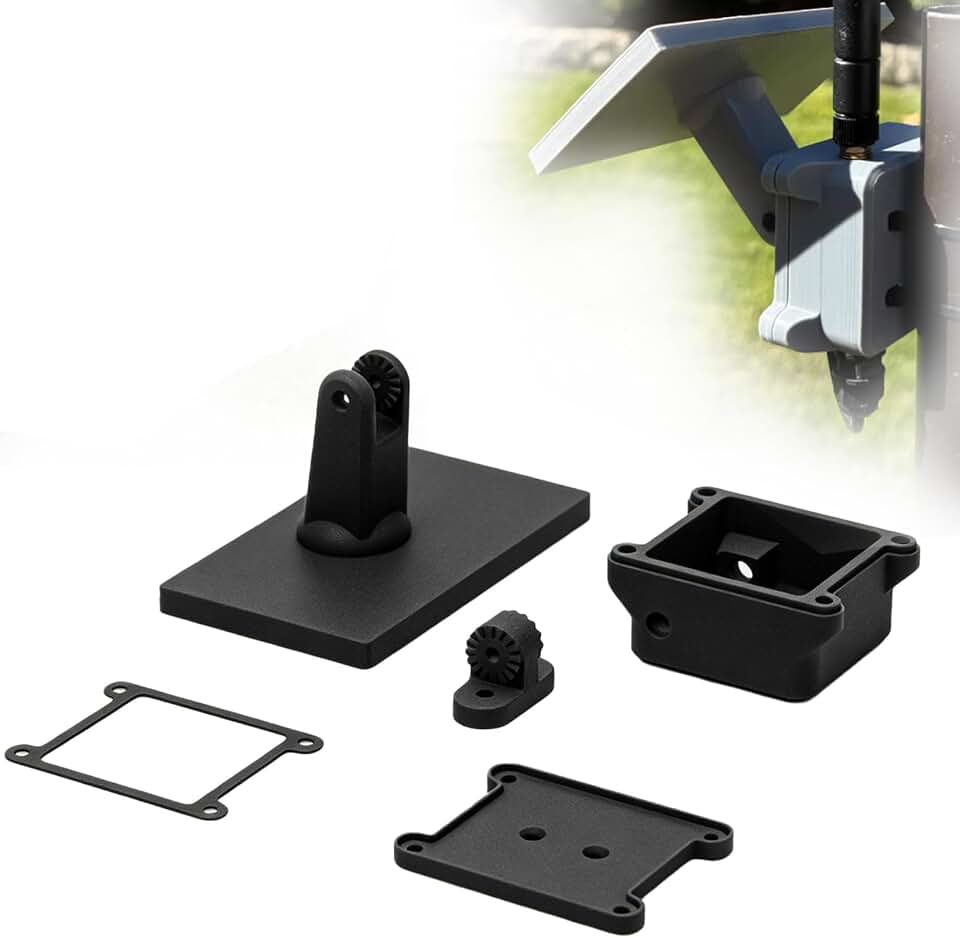
Continuous operation generates heat. Ensure your installation spot has adequate ventilation and access to a reliable power source, as network rewards often depend on 24/7 uptime.
Review the token emission schedule and payout thresholds. Some networks offer higher rewards for verified coverage maps, while others prioritize raw data throughput.
Select devices that support automated firmware updates to maintain security and protocol compatibility without requiring manual intervention.

Hardware failures are inevitable. Prioritize vendors offering robust warranty coverage and accessible technical support to minimize downtime and revenue loss.

As an Amazon Associate, we may earn from qualifying purchases.
| Criterion | Urban Deployment | Rural Deployment |
|---|---|---|
| Antenna Type | Omnidirectional, low-gain | High-gain, directional |
| Coverage Radius | 50-100 meters | 1-5 kilometers |
| Interference Risk | High (crowded spectrum) | Low |
| Power Consumption | Moderate | Higher (amplification) |
No comments yet. Be the first to share your thoughts!