The shift to decentralized wireless
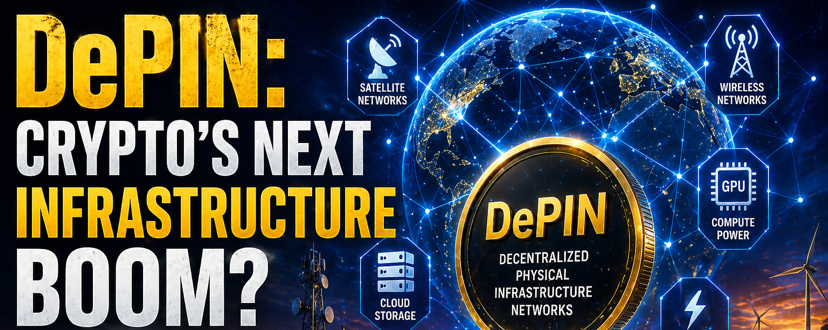
Decentralized Physical Infrastructure Networks (DePIN) represent a fundamental restructuring of how wireless connectivity is built and owned. Unlike the traditional telecommunications model, which relies on a handful of incumbent Internet Service Providers (ISPs) to construct and monopolize local infrastructure, DePIN leverages blockchain incentives to crowdsource hardware deployment. In this model, individual users own and operate the physical nodes—such as Wi-Fi hotspots or cellular towers—creating a distributed mesh that competes directly with established corporate monopolies.
The year 2026 marks a critical inflection point for this technology. As regulatory frameworks begin to clarify token compensation models and network reliability standards mature, DePIN projects are moving beyond experimental pilots into scalable commercial viability. The core conflict is no longer just about technology; it is an economic battle over who captures the value of connectivity. Users are increasingly positioned as stakeholders rather than passive consumers, demanding infrastructure that is both more resilient and more affordable than legacy offerings.
The transition to decentralized wireless is not merely a technical upgrade but a shift in market power. By removing the middleman, these networks aim to lower barriers to entry for both providers and consumers. However, the path forward requires overcoming significant hurdles, including ensuring that decentralized services can consistently match the reliability and user experience of incumbent providers. As the market evolves, the ability of DePIN to navigate regulatory uncertainty and scale globally will determine its long-term impact on the global internet landscape.
Leading DePIN wireless projects
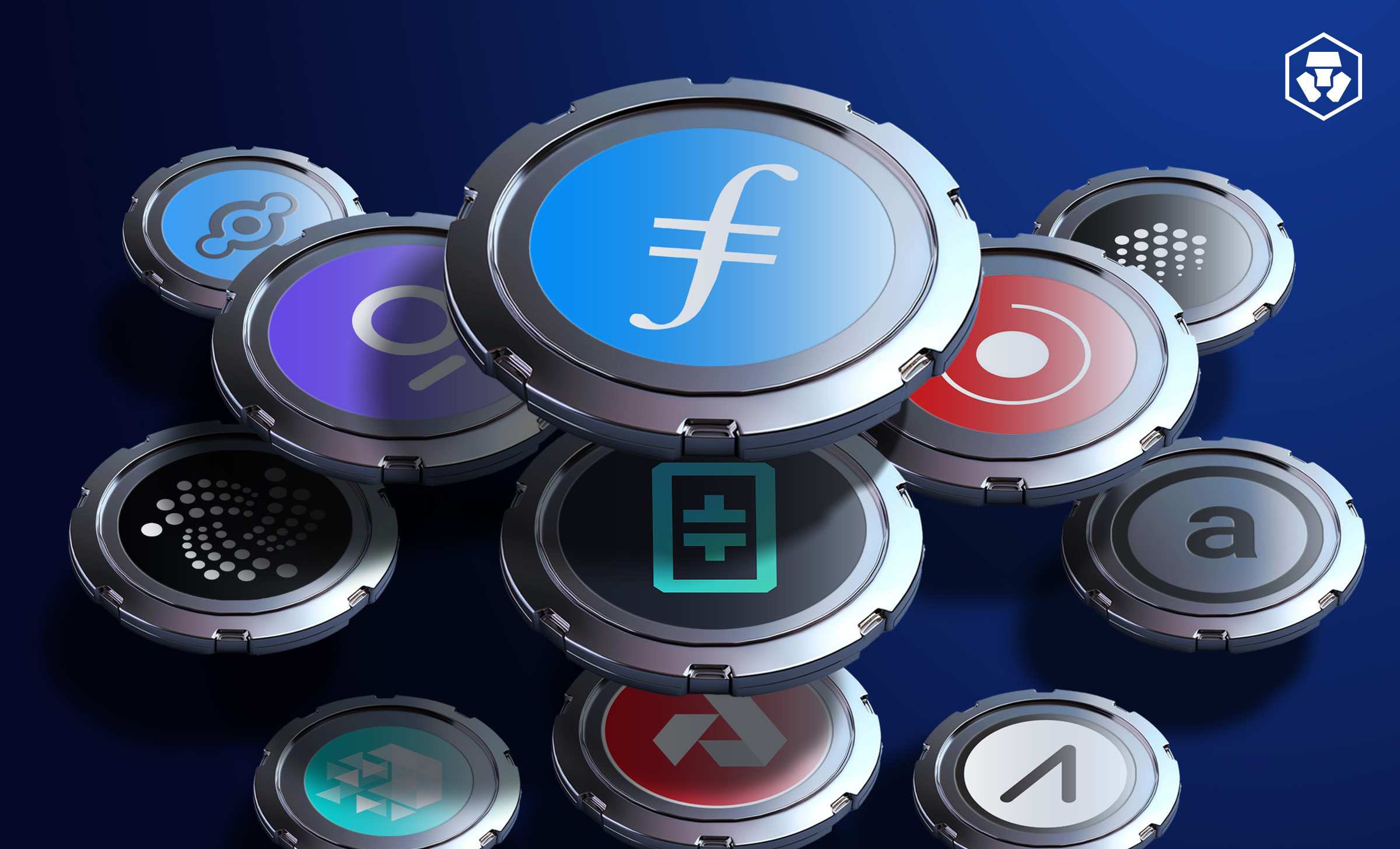
The 2026 DePIN wireless landscape is defined by a split between legacy scale and specialized mesh architectures. Helium Mobile retains its position as the primary carrier-grade network, leveraging a massive subscriber base and established telecom partnerships. Meanwhile, newer entrants like Titan Network and Hivemapper are capturing market share by focusing on high-density urban coverage and specialized hardware incentives.
These networks differ fundamentally in their consensus mechanisms and token utility. Helium utilizes a Proof of Coverage (PoC) model that verifies radio signal presence, rewarding hotspots for proving coverage in specific geographic areas. In contrast, Titan Network employs a hybrid consensus model that integrates data verification with wireless access, allowing for more granular control over network quality and latency.
Investors and users must evaluate these projects based on two critical metrics: hardware accessibility and regulatory compliance. The barrier to entry for Helium remains high due to the cost of certified carrier-grade radios, whereas Titan’s modular approach allows for lower-cost entry points. Regulatory clarity in key markets like the US and EU will likely determine which network achieves sustainable scale in the coming year.
Network Comparison
The table below compares the core technical specifications and market positioning of the leading DePIN wireless networks.
| Network | Consensus Mechanism | Primary Coverage Area | Token Utility |
|---|---|---|---|
| Helium Mobile | Proof of Coverage (PoC) | Global (Carrier-Grade) | HNT for coverage & access |
| Titan Network | Hybrid Consensus | High-Density Urban | TNT for access & data |
| Hivemapper | Proof of Mapping | North America & EU | HONEY for mapping rewards |
| IoTeX | DPoS | IoT & Smart Home | IOTX for device identity |
Market performance and tokenomics
The financial architecture of decentralized wireless networks operates differently from traditional equity markets. Value is not derived from corporate earnings but from network utility and token velocity. As DePIN projects scale, the correlation between physical infrastructure growth and asset price becomes the primary metric for investors. This dynamic creates a high-stakes environment where tokenomics must align user incentives with sustainable network expansion.
Price volatility and network utility
DePIN tokens exhibit significant price volatility, driven largely by speculative demand and the tangible growth of network coverage. Unlike pure utility tokens, wireless DePIN assets like Helium (HNT) or Hivemapper (HONEY) have a direct link to real-world usage. When more users deploy hotspots or consume data, the demand for the native token increases, theoretically supporting price appreciation. However, this relationship is not linear; market sentiment often decouples from network fundamentals in the short term.
To understand these fluctuations, investors must look beyond static price points. Live market data provides a clearer picture of current sentiment and liquidity. For instance, tracking the real-time price of major DePIN assets helps gauge immediate market reaction to network upgrades or partnership announcements.
Staking rewards and inflationary pressure
Staking mechanisms are central to DePIN tokenomics, securing the network while rewarding participants. However, high staking yields can introduce inflationary pressure, diluting the value of existing tokens if network growth does not keep pace. Projects must carefully balance emission rates with actual data throughput and user adoption. Excessive rewards without corresponding utility can lead to a "death spiral," where early investors sell off tokens to capture yield, crashing the price.
Correlation between growth and asset value
The long-term viability of DePIN wireless projects depends on proving that decentralized services can match the reliability of centralized providers. As noted by Chainlink, regulatory uncertainty and token model sustainability are key challenges. Successful projects demonstrate that their token is not just a speculative asset but a necessary component of the network economy. Investors should prioritize projects with transparent tokenomics, clear utility, and a track record of consistent network growth.
Technical analysis of major DePIN tokens
For investors tracking technical trends, visualizing price action is essential. A technical chart of a major DePIN token reveals support and resistance levels, helping to identify entry and exit points. This analysis is particularly useful for managing risk in a volatile market.
Investment risks and regulatory hurdles
DePIN wireless networks promise to dismantle the monopoly of traditional telecom providers, but the path to that disruption is paved with significant legal and operational hazards. Unlike centralized carriers that hold exclusive licenses for decades, DePIN operators often rely on unlicensed spectrum or experimental frameworks that can shift overnight. This structural difference creates a high-stakes environment where regulatory clarity lags behind technological deployment.
The Federal Communications Commission (FCC) has signaled that while it supports innovation, it remains cautious about how decentralized entities manage interference and public safety. A primary concern is the legitimacy of token-based compensation models in spectrum allocation. If regulators determine that these tokens constitute unregistered securities or violate frequency usage rules, entire network economies could face immediate shutdown or heavy fines. This uncertainty makes long-term revenue modeling difficult for investors and node operators alike.
Beyond the legal landscape, operational risks are acute. Node operators face hardware depreciation, connectivity instability, and the challenge of maintaining service levels without the back-end support of a major corporation. When a centralized provider fails, customers have a single entity to sue; when a decentralized node goes offline, accountability is fragmented. This lack of recourse can deter enterprise adoption and limit the network's ability to compete with established giants on reliability.
Market volatility further compounds these challenges. The value of DePIN tokens is often tied to speculative demand rather than immediate cash flow from service usage. Investors must navigate a landscape where the underlying technology may be sound, but the asset price is driven by broader crypto market trends rather than network utility metrics.
The Future of Community Mesh Networks
The long-term viability of decentralized wireless depends on bridging the gap between community mesh networks and traditional telecommunications infrastructure. Success requires more than just hardware distribution; it demands seamless interoperability that allows DePIN nodes to function as reliable extensions of existing ISPs. This hybrid model is essential for achieving the scalability needed to support global coverage without compromising on reliability.
Regulatory frameworks remain the primary hurdle for widespread adoption. As noted in industry analyses, DePIN projects must navigate complex token compensation models while proving their services can match the stability of centralized providers. The path forward involves strict adherence to local regulations and building trust through transparent verification mechanisms, ensuring that decentralized networks are viewed as legitimate infrastructure partners rather than rogue alternatives.
Common questions about DePIN wireless
The decentralized wireless landscape is evolving rapidly, but fundamental questions remain regarding infrastructure ownership, market viability, and long-term utility. Below are direct answers to the most frequent inquiries from investors and operators.
No comments yet. Be the first to share your thoughts!