DePIN wireless and the $10 billion market shift
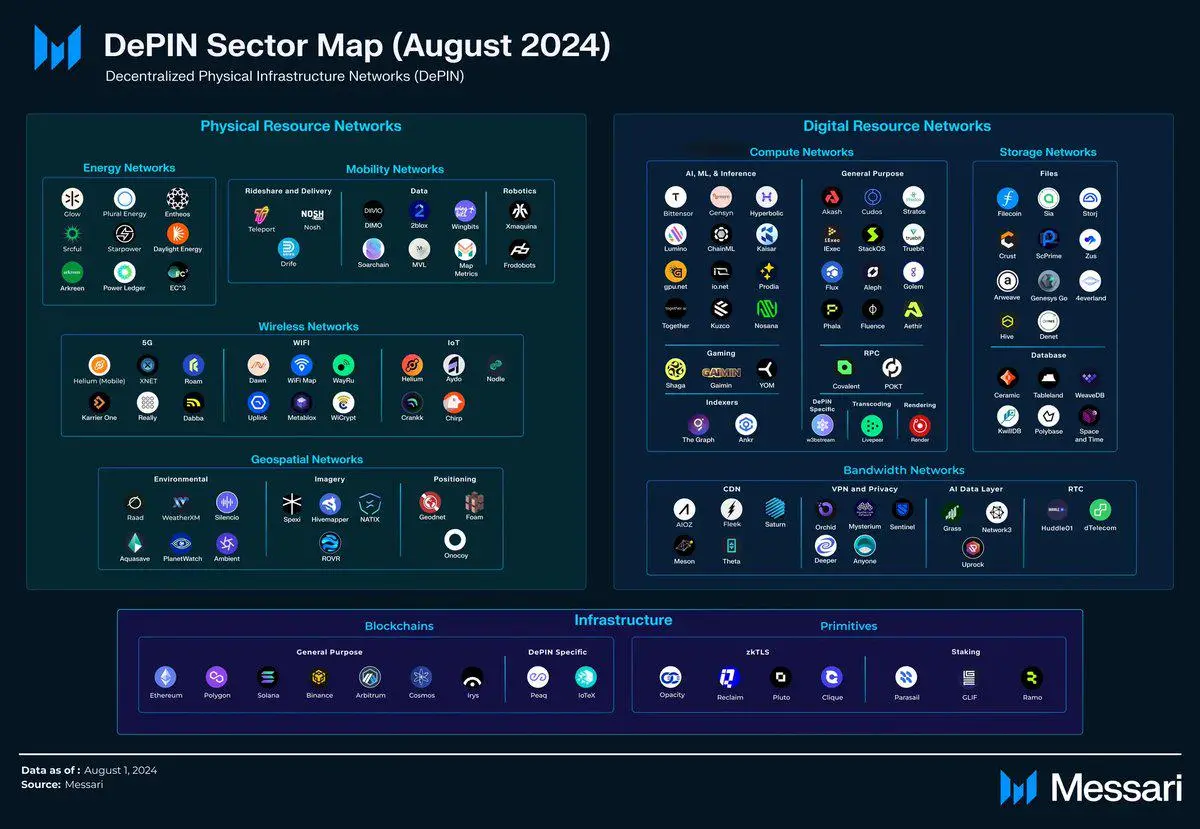
Decentralized Physical Infrastructure Networks (DePIN) have evolved from experimental crypto projects into a tangible layer of global connectivity. By early 2026, the combined market capitalization of DePIN tokens reached $9–10 billion, surpassing the oracle sector and signaling a structural shift in how digital infrastructure is valued KuCoin.
Unlike traditional Internet Service Providers (ISPs) that rely on centralized monopolies and heavy capital expenditure for tower and fiber deployment, DePIN wireless operates on a distributed model. Users own the hardware—routers, gateways, and sensors—and are compensated with tokens for providing coverage or data. This ownership structure lowers the barrier to entry for infrastructure providers while creating competitive pressure on legacy telecom operators.
The wireless segment is particularly significant because it addresses the "last mile" connectivity problem in rural and underserved areas where traditional ISPs find it unprofitable to expand. Projects like Helium and Starlink Gen2 integrations are leveraging this decentralized approach to build mesh networks that are both cost-effective and resilient.
Starlink Gen2 and satellite connectivity
Starlink Gen2 represents a critical junction in the DePIN narrative. While the decentralized physical infrastructure movement champions user-owned hardware, Starlink operates as a centralized anchor. It provides the high-speed backbone that many decentralized networks rely on for backhaul, creating a paradox where a centralized service enables decentralized applications. The arrival of Gen2, with its focus on direct-to-cell capabilities and lower latency, intensifies this dynamic.
The hardware shift matters. Gen2 terminals offer improved signal processing and reduced power consumption, making them more viable for fixed residential use and potentially mobile integration. For DePIN projects that require reliable, high-bandwidth connectivity in remote or underserved areas, Starlink remains the default choice. It bridges the gap where terrestrial fiber is absent and cellular data is too slow or expensive. This reliability is essential for nodes that must maintain constant uptime to earn rewards or process transactions.
However, the centralized nature of Starlink introduces single points of failure. If SpaceX alters pricing, throttles speeds, or restricts access, the entire decentralized layer built on top of it is vulnerable. This tension defines the current state of satellite-backed DePIN. Projects must weigh the convenience of Starlink’s robust infrastructure against the ideological and operational risks of depending on a single corporate entity. The goal for long-term DePIN sustainability is to use satellite connectivity as a temporary bridge, not a permanent crutch.
The market reflects this complex relationship. Investors are watching both the performance of Starlink’s broader ecosystem and the specific adoption rates of DePIN projects that leverage satellite backhaul. A drop in Starlink’s valuation or a shift in its strategic direction could ripple through the decentralized infrastructure sector. Conversely, successful integration of Gen2 technology into diverse DePIN use cases could validate satellite connectivity as a standard component of future mesh networks.
Helium Mobile and community hotspots
Helium Mobile operates as a decentralized wireless infrastructure network that allows users to earn cryptocurrency by providing 5G coverage. Instead of relying on traditional cell towers, the network utilizes a distributed mesh of community-run hotspots to route data. This model shifts the capital expenditure from a centralized corporation to individual participants who purchase and maintain the hardware.
The system rewards users with HNT tokens based on the "Proof of Coverage" protocol, which verifies that hotspots are providing legitimate wireless service. As a user-owned network, Helium Mobile demonstrates how DePIN can compete with established ISPs by lowering overhead costs and passing savings to consumers. The primary keyword cluster, DePIN wireless, is central to this shift, offering a tangible alternative to legacy telecom models.
To participate, individuals deploy compatible hotspot devices in their homes or businesses. These devices connect to the Helium network and provide cellular service to nearby phones. The more reliable and widespread the coverage, the higher the potential rewards in HNT. This creates a self-sustaining ecosystem where growth is driven by user adoption rather than corporate marketing budgets.
Tracking the value of HNT is essential for understanding the economic viability of running a hotspot. Since rewards are paid in the native token, fluctuations in its market price directly impact the return on investment for hardware owners. The live price widget below provides real-time data on HNT, helping participants gauge current reward potential.
For those interested in entering the space, selecting the right hardware is the first step. The following products represent popular choices for community hotspot deployment, ranging from dedicated mobile hotspots to high-gain antenna accessories that can improve signal strength and coverage area.


As an Amazon Associate, we may earn from qualifying purchases.
The broader DePIN landscape is evolving rapidly, with projects like Helium leading the charge in decentralized wireless. As more users adopt these community-driven networks, the infrastructure becomes more robust and cost-effective. This trend highlights the potential for crypto rewards to drive real-world infrastructure development, creating a new paradigm for connectivity.
DePIN wireless vs. legacy ISPs
The choice between decentralized wireless and traditional ISPs comes down to who controls the infrastructure and how costs are distributed. DePIN projects like Helium and Starlink Gen2 mesh networks offer a different economic model, shifting hardware ownership from a monopoly to individual operators. This shift changes the dynamic of service reliability and pricing structures.
In a traditional ISP model, a single company owns the towers, fiber lines, and data centers. You pay a monthly fee for access to their controlled network. In contrast, DePIN wireless networks are built and maintained by a distributed group of users who own the physical nodes. This ownership structure can lower barriers to entry for providers and potentially reduce costs for consumers, though it introduces variability in coverage consistency.
The table below outlines the core differences in cost, ownership, and reliability between these two models.
| Feature | DePIN Wireless | Traditional ISP |
|---|---|---|
| Hardware Ownership | Users/operators | ISP company |
| Coverage Model | Distributed mesh | Centralized towers |
| Cost Structure | Token incentives + fees | Fixed monthly subscription |
| Reliability | Variable by node | High, SLA-backed |
| Scalability | Community-driven | Capital-intensive |
While DePIN offers a path toward more inclusive internet access, it must prove it can match the reliability of established providers. Regulatory uncertainty around token compensation models remains a hurdle for global scaling. For now, traditional ISPs offer predictable service, while DePIN offers a community-owned alternative with growing potential.
Investment risks and regulatory hurdles
DePIN sits at the intersection of physical infrastructure and digital finance, creating a complex risk profile that extends far beyond standard crypto volatility. By early 2026, the combined market capitalization of the sector reached $9–10 billion, surpassing even the oracle network sector. This rapid expansion signals strong demand for decentralized alternatives, but it also attracts intense scrutiny from regulators and traditional infrastructure incumbents.
The primary obstacle for DePIN is regulatory uncertainty, particularly regarding token compensation models. When users are paid in tokens for sharing bandwidth or hardware, authorities in various jurisdictions question whether these tokens constitute unregistered securities or utility instruments. This ambiguity creates a moving target for operators trying to scale globally without violating local financial laws.
Beyond compliance, DePIN networks face the "centralized reliability" challenge. Investors must evaluate whether a decentralized network can consistently match the uptime and latency of established ISPs. If a mesh network drops packets during peak hours or fails to provide the Service Level Agreements (SLAs) that enterprises require, the token’s economic model collapses regardless of its technological promise.
To monitor the financial health of these projects, investors often track the performance of the underlying tokens against broader market trends. The following chart illustrates the price action of a representative DePIN asset, reflecting how these projects react to both sector-specific news and general market sentiment.
Common questions about DePIN wireless
The DePIN wireless sector is expanding rapidly, but uncertainty remains about its long-term viability and structure. Below are answers to the most frequent questions regarding the future of decentralized networks, hardware ownership, and top projects in the space.
No comments yet. Be the first to share your thoughts!