The Reality of DePIN Wireless
DePIN wireless networks promise to build decentralized broadband infrastructure using shared consumer hardware, but the model faces distinct physical and economic constraints. While projects like Helium and LoRaWAN have demonstrated that community-driven networks can cover vast geographic areas, scaling them to replace traditional carrier-grade reliability remains a complex engineering challenge.
The primary hurdle lies in density versus coverage. A single hotspot can provide wide-area signal, but data throughput drops significantly as more users connect. Unlike fiber or 5G towers, which are engineered for high-capacity traffic, DePIN nodes rely on sporadic consumer devices that may be poorly positioned or powered by unstable electricity sources. This creates a "last mile" problem that is difficult to solve without substantial hardware upgrades.
Also, regulatory hurdles vary wildly by region. Spectrum licensing for sub-GHz bands used by LoRaWAN is fragmented, while cellular DePIN projects must navigate strict carrier regulations. These legal and technical tradeoffs mean that DePIN wireless is currently best suited for low-bandwidth IoT applications—such as asset tracking or environmental monitoring—rather than high-speed consumer internet access. Investors and builders must weigh these limitations against the potential for lower infrastructure costs.
Depin wireless choices that change the plan
Building or evaluating a Decentralized Physical Infrastructure Network (DePIN) requires balancing coverage density against operational costs. Helium and LoRaWAN represent the two dominant approaches, each serving different IoT needs. Choosing between them depends on your specific application requirements rather than general market hype.
The Helium network leverages the Mobile Subnet and Helium IoT (HNT/IOT) tokens to incentivize hotspot deployment. It offers high throughput suitable for asset tracking and mobile connectivity but faces challenges with regulatory compliance and spectrum usage in various regions. The tokenomics drive participation but introduce volatility that can affect long-term network sustainability.
LoRaWAN operates on unlicensed spectrum with low power requirements, making it ideal for simple sensor data like temperature or humidity. It lacks the built-in incentive layer of Helium, meaning deployment is often driven by enterprise or municipal budgets rather than individual hobbyists. This results in more predictable, stable infrastructure but slower, less organic growth.
| Feature | Helium (IoT) | LoRaWAN |
|---|---|---|
| Coverage Model | Community-driven hotspot density | Enterprise/Municipal gateways |
| Data Throughput | Moderate (suitable for GPS, mobile) | Low (small sensor packets) |
| Power Consumption | Higher (requires constant power) | Very low (battery-operated years) |
| Incentive Layer | Token rewards (HNT/IOT) | None (centralized or paid) |
| Regulatory Risk | High (spectrum licensing issues) | Low (standard unlicensed bands) |
Helium’s token model accelerates deployment but complicates enterprise adoption due to compliance concerns. LoRaWAN’s simplicity makes it easier to integrate into existing industrial systems without dealing with cryptocurrency regulations. For most commercial IoT applications, the stability of LoRaWAN often outweighs the potential rewards of Helium.
| Feature | Helium IoT | LoRaWAN |
|---|---|---|
| Coverage | Community-driven | Enterprise/Municipal |
| Throughput | Moderate | Low |
| Power | Higher | Very low |
| Incentives | Token rewards | None |
| Regulatory Risk | High | Low |
The choice ultimately comes down to whether you need high-value, mobile data (Helium) or low-cost, static sensor readings (LoRaWAN). Evaluate your data volume and mobility needs before committing to a hardware stack.
Choose the next step
Deciding between Helium and LoRaWAN isn't about picking the "better" network; it's about matching the right connectivity layer to your specific business constraints. Helium offers global scale and crypto incentives but comes with regulatory friction and token volatility. LoRaWAN provides enterprise-grade reliability and low cost but requires significant upfront infrastructure investment.
Use this framework to evaluate your project.
Helium excels in high-density urban areas and major transit corridors due to its shared infrastructure model. If your devices are scattered across rural regions or inside concrete structures where public hotspot density is low, Helium's coverage gaps can make the network unreliable. LoRaWAN, by contrast, lets you build a private network with predictable range, though you must pay for every gateway. Start by plotting your device locations against Helium's public coverage map to see if the existing infrastructure meets your baseline requirements.
Helium reduces upfront capital expenditure (CapEx) because you don't need to buy gateways; you only pay for data and potentially hardware if you want to earn rewards. However, your operational costs fluctuate with token prices. LoRaWAN requires you to purchase or lease gateways and pay for SIM/eSIM data plans, resulting in higher initial costs but stable, predictable monthly fees. For large-scale deployments with fixed budgets, LoRaWAN's predictable pricing often wins. For pilot programs or variable-volume use cases, Helium's pay-as-you-go model is more flexible.
LoRaWAN is designed for small, infrequent data packets—think temperature sensors or asset trackers sending a few bytes every hour. It is not suitable for high-bandwidth applications. Helium's underlying LoRaWAN technology shares these constraints, but its integration with cellular (Helium Mobile) and 5G allows for higher throughput if you use compatible hardware. If your IoT devices require real-time video, large file transfers, or constant connectivity, neither standard LoRaWAN nor basic Helium is the right fit; you should look toward 5G DePIN networks or traditional cellular IoT solutions.
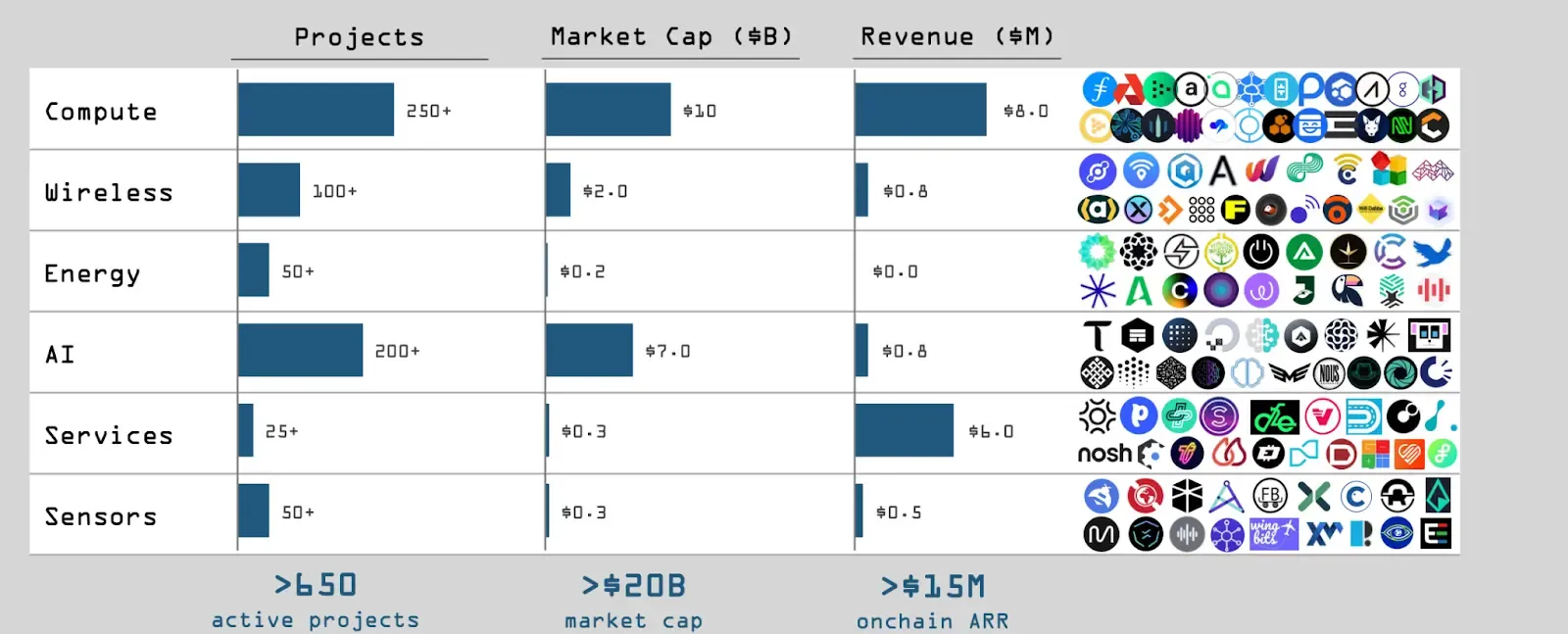
Helium's growth has been slowed by regulatory scrutiny from the FCC regarding its spectrum usage and incentive mechanisms. While the network is now compliant, future regulatory changes could impact token rewards or network operations. LoRaWAN operates on unlicensed spectrum globally, making it less susceptible to regulatory shifts, though local licensing rules still apply. If your business operates in highly regulated industries like healthcare or finance, LoRaWAN's stability and lack of crypto-related regulatory noise may offer a safer long-term foundation.
Spotting Weak Options in DePIN Wireless
As Helium and LoRaWAN networks mature, the "connect anything for free" narrative is giving way to practical limitations. Investors and builders often chase high reward multipliers without auditing the underlying coverage density or hardware viability. This section identifies the most common misleading claims and weak options in the DePIN wireless space, helping you avoid capital traps.
1. The "Passive Income" Mirage
Many projects advertise passive earnings for simply owning a hotspot. This ignores the reality of signal interference, zoning laws, and the need for optimal antenna placement. A hotspot in a dense urban area often earns less than one in a rural zone due to signal overlap and competition. Treat these earnings as variable, not guaranteed, and calculate ROI based on worst-case coverage scenarios.
2. Hardware Obsolescence and Lock-in
DePIN hardware is often proprietary and tied to specific network protocols. Buying a device for Helium Mobile today might mean it cannot support future protocol upgrades or LoRaWAN standards. Unlike general-purpose IoT sensors, these devices lack resale value if the network shifts its consensus mechanism or hardware requirements. Always check the manufacturer's roadmap for long-term support and compatibility before purchasing.
3. Tokenomics and Inflation Risk
High emission rates in DePIN tokens can dilute rewards faster than coverage expands. Many projects use aggressive token inflation to attract early adopters, which suppresses long-term price stability. Analyze the token unlock schedule and the ratio of new tokens issued versus actual network usage. If emissions outpace real-world data transmission, the reward per byte will plummet, making the investment unviable.
4. Regulatory and Zoning Blind Spots
Wireless infrastructure is subject to local zoning laws and radio frequency regulations. A hotspot that works today might be shut down tomorrow due to noise complaints or municipal bans on unlicensed spectrum use. Always verify local regulations before deploying hardware. Projects that ignore these constraints face sudden operational halts, leaving investors with non-functional assets.
Depin wireless: what to check next
DePIN wireless projects like Helium and LoRaWAN are reshaping how IoT devices connect by using decentralized networks of user-deployed hotspots. Instead of relying on centralized telecom giants, these networks reward individuals for providing coverage, creating a more distributed and often cheaper infrastructure layer for sensors and trackers.
Is DePIN wireless reliable compared to cellular?
Decentralized wireless is generally less reliable than licensed cellular networks (LTE/5G) for critical applications. While coverage is expanding rapidly in urban areas, rural gaps remain common. For non-critical IoT devices like asset trackers or environmental sensors, the trade-off in cost often outweighs the need for carrier-grade uptime.
How do I earn rewards with a hotspot?
You earn rewards by deploying hardware that covers a geographic area and validates network activity. The more unique devices you cover and the more data they process, the higher your earnings. However, rewards are not guaranteed; they depend on network demand, the number of active hotspots in your area, and the specific consensus mechanism of the protocol.
What is the difference between Helium and LoRaWAN?
Helium Mobile uses a Proof of Coverage (PoC) consensus model to verify hotspot locations, while LoRaWAN focuses on long-range, low-power communication without inherent blockchain verification. Helium integrates directly with token economics, whereas LoRaWAN is often used for private, enterprise-grade IoT deployments where data privacy and local control are prioritized over public incentivization.
Can I use DePIN for home internet access?
Some DePIN projects, like Helium Mobile, are beginning to offer consumer-grade mobile internet access via hotspots. While viable in dense urban areas with strong network density, it currently lacks the speed and consistency of traditional fiber or cable. It is best suited as a secondary connection or for light usage rather than primary home broadband.
No comments yet. Be the first to share your thoughts!