The hidden limits of DePIN wireless
DePIN wireless networks solve the last-mile problem by letting users share spare bandwidth, but they still face physical constraints. Fixed wireless access relies on line-of-sight signals, meaning obstacles like buildings or heavy foliage can disrupt the link. This makes coverage spotty compared to fiber-optic cables that run directly to your home.
The reliability of these networks also depends on node density. In rural areas with few participants, the mesh often struggles to maintain consistent speeds. While urban zones might offer competitive alternatives to traditional ISPs, the infrastructure remains fragile during peak usage times.
TechnicalChart symbol="NASDAQ:CRWD" chartStyle="candle" interval="1D" indicators='["volume"]'
Depin wireless choices that change the plan
Before switching from a traditional ISP, you need to weigh the specific limitations of mesh networks. DePIN wireless projects like Helium Mobile or Phantom Network offer lower costs, but they operate differently than fiber or cable infrastructure. The tradeoff usually involves speed consistency and coverage reliability.
Latency and Speed
Mesh networks rely on distributed nodes rather than a dedicated backhaul line. This means your speed depends on the distance to the nearest hotspot and how many other users are sharing that node. In dense urban areas, speeds can rival mid-tier cable plans, but rural nodes often struggle with congestion.
Coverage Gaps
Traditional ISPs offer blanket coverage within their service territories. DePIN coverage is patchy, depending entirely on where hardware owners deploy their gateways. You must check the live map for your specific address. If you live in a low-adoption area, you may find no usable signal despite the network claiming "wide coverage."
Hardware Costs
While monthly bills are often 30-50% lower, you may need to purchase your own CPE (Customer Premises Equipment) or modem. Some providers include this in the subscription, but many require an upfront investment of $100-$300. Factor this into your first-year savings calculation.
Contract Flexibility
Most DePIN providers operate on month-to-month plans with no early termination fees. This is a major advantage for renters or those in transitional housing. Traditional ISPs often lock you into 12-24 year contracts with steep penalties for early cancellation.
| Feature | DePIN Mesh | Traditional ISP |
|---|---|---|
| Contract | Month-to-month | 12-24 years |
| Speed Consistency | Variable (node-dependent) | High (dedicated line) |
| Hardware Cost | $0-$300 upfront | Usually free or $50 |
| Coverage | Patchy, urban-focused | Broad, rural available |
The market for decentralized infrastructure tokens reflects the volatility of this sector. While the technology promises disruption, the underlying assets can swing wildly based on adoption rates and regulatory changes. Always treat the token component as speculative when evaluating the long-term viability of a provider.
How to Choose a DePIN Wireless Provider
The DePIN wireless boom is reshaping how we think about connectivity, but not all mesh networks offer the same value. Before committing to a decentralized alternative, you need a clear framework to evaluate reliability, cost, and hardware requirements. Traditional ISPs compete on speed; DePIN networks compete on coverage density and incentive structures.
Use these five steps to decide if a mesh network fits your needs.

DePIN networks rely on user-owned hotspots to fill gaps. A sparse network means slower speeds and higher latency. Check the provider’s live map to see if there are at least 50 active nodes within a one-mile radius of your home. If the map is empty, the network is likely too new to support consistent broadband.
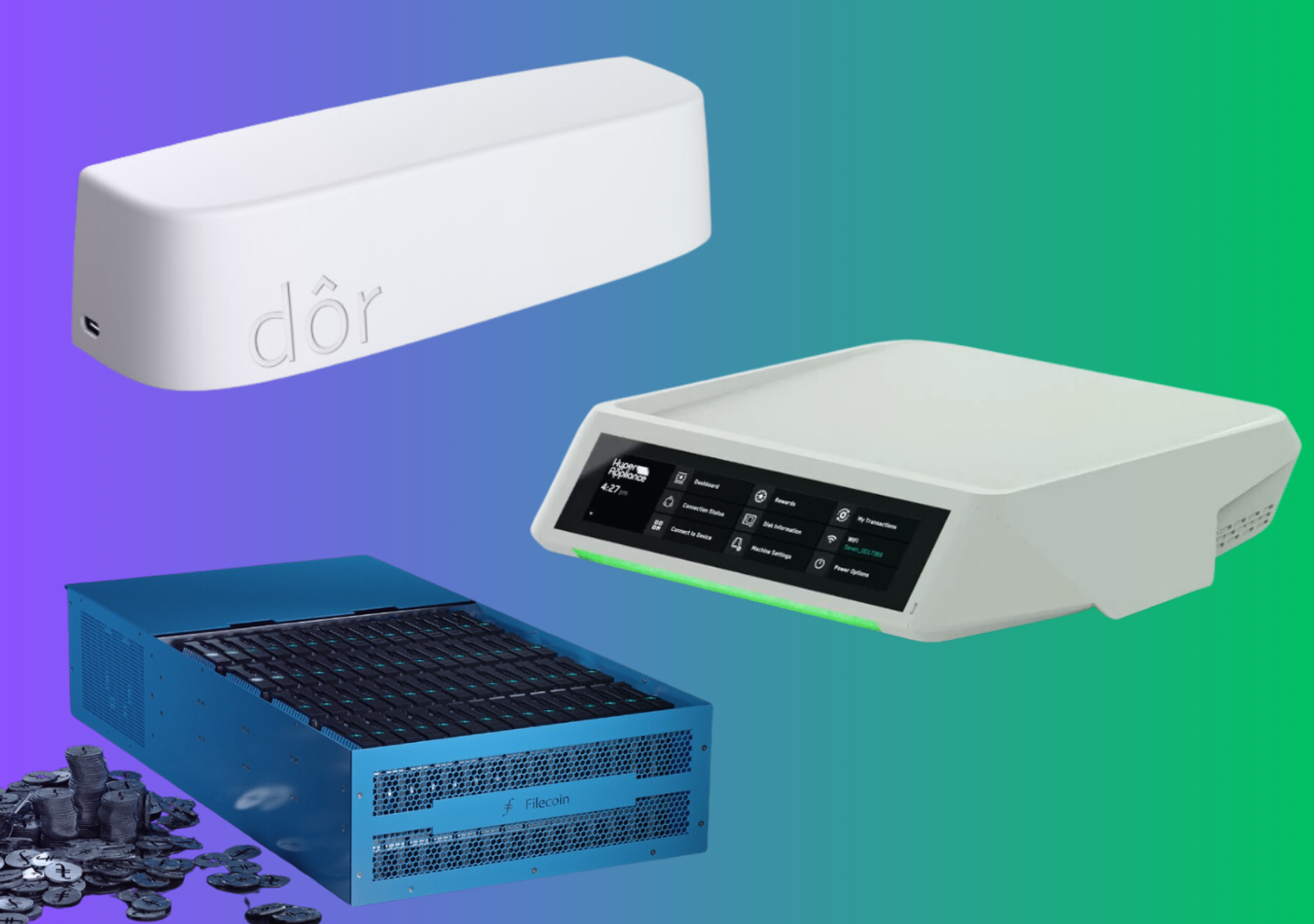
Traditional ISPs often bundle hardware, while DePIN projects require you to buy a gateway node upfront. Calculate the break-even point: divide the hardware cost by the monthly savings compared to your current ISP. If the payback period exceeds 18 months, the traditional ISP may still be the more practical choice for your budget.
A hotspot is only as good as its connection to the internet backbone. Ensure the provider uses fiber or cable backhaul, not cellular, for the majority of its nodes. Cellular backhaul introduces data caps and throttling that can kill your throughput during peak hours. Look for technical documentation that specifies the backhaul type for your region.
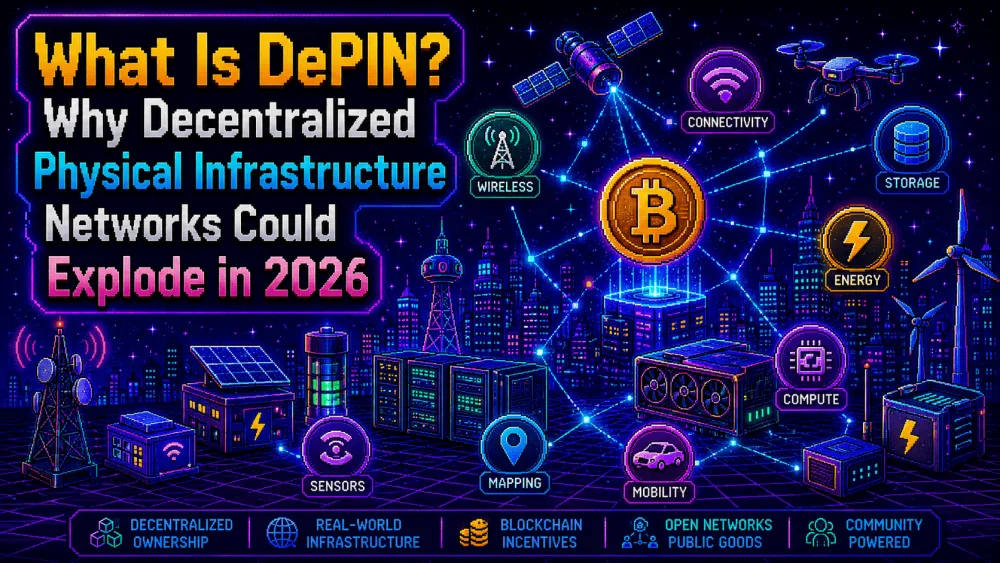
Many DePIN networks reward users with tokens for sharing bandwidth. These rewards can offset your monthly bill, but they are volatile. Check if the token has a clear utility beyond speculation. If the reward value fluctuates wildly, treat it as a bonus, not a guaranteed discount on your internet service.

Decentralized networks lack a central help desk. When your connection drops, you are often troubleshooting alone or relying on community forums. Test the provider’s support channels before signing up. Send a technical question to their Discord or support email and measure the response time. Slow support means longer downtime for you.
| Feature | DePIN Mesh | Traditional ISP |
|---|---|---|
| Hardware Cost | High upfront | Low/Free |
| Contract Length | None | 1-2 years |
| Support | Community/Async | Phone/On-site |
| Coverage | Variable | Established |
Spotting Weak Mesh Network Options
The 2026 DePIN wireless boom promises to disrupt traditional ISPs, but not every mesh network delivers on that promise. Many projects rely on misleading claims about coverage or speed. Before committing hardware or funds, you need to separate viable infrastructure from hype.
Unrealistic Coverage Claims Some networks advertise city-wide coverage while relying on sparse node density. DePIN requires a critical mass of active nodes to maintain stable connections. If a project lacks a verified node map, their coverage claims are likely inflated. Always check for independent node verification before joining.
Hidden Hardware Costs Fixed wireless access sounds cheap until you see the required hardware. Many ISPs don't need to run wires, but you still need compatible routers and antennas. Some DePIN projects require proprietary gear that costs more than standard alternatives. Calculate the total cost of ownership, not just the token rewards.
Weak Incentive Structures Many mesh networks promise high returns for sharing bandwidth, but the rewards are often negligible. If the tokenomics don't align with actual usage, nodes go offline. This creates a vicious cycle where coverage shrinks, and rewards vanish. Look for projects with sustainable, long-term incentive models rather than short-term bounties.
Depin wireless: what to check next
Before swapping your ISP for a mesh network, it helps to understand the tradeoffs. DePIN wireless relies on distributed nodes rather than centralized towers, which changes how performance and reliability work in practice.
No comments yet. Be the first to share your thoughts!