What Is DePIN Wireless?
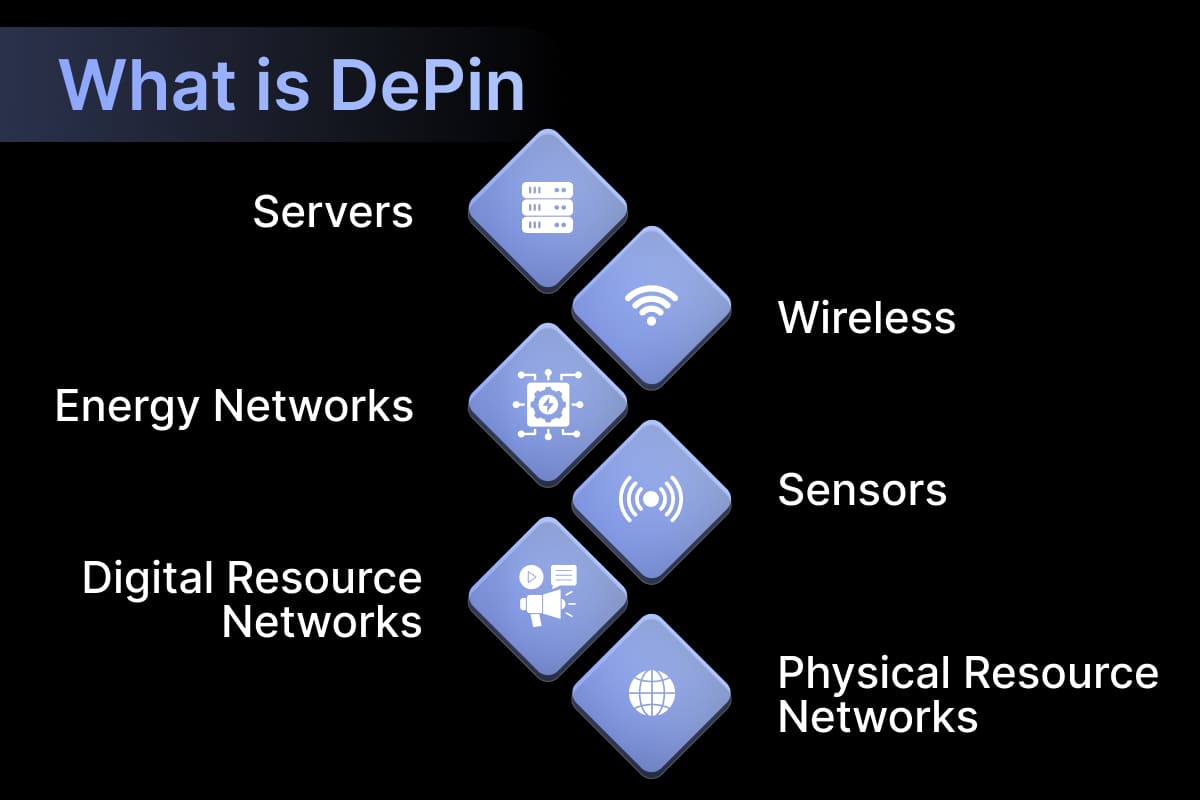
DePIN wireless, or decentralized physical infrastructure network, is a model that replaces traditional ISP monopolies with community-owned mesh networks. Instead of relying on a single company to lay fiber optic cables or build cell towers, DePIN allows individuals to share their spare internet bandwidth with neighbors. This creates a distributed broadband network that is often more resilient and less expensive than centralized alternatives.
In a traditional setup, you pay a monthly fee to a provider who controls the entire pipeline from the backbone to your home. DePIN flips this dynamic. Users install small hardware nodes that connect to the internet and then share that connection with nearby devices. In return, these users earn cryptocurrency rewards for contributing their bandwidth and storage. This turns passive internet access into an active asset.
The technology relies on blockchain protocols to manage the network. Smart contracts automatically verify that bandwidth is being shared correctly and distribute rewards to the node operators. This ensures transparency and trust without needing a central administrator to oversee every transaction. Networks like Helium and Hivemesh are pioneering this approach, demonstrating that wireless coverage can be built organically by the community rather than imposed by a corporation.
This shift is significant because it lowers the barrier to entry for both providers and consumers. You don't need a degree in network engineering to become a service provider; you just need hardware and an internet connection. As these networks scale, they offer a viable path to connectivity in areas where traditional ISPs have failed to invest, effectively disrupting the status quo by making infrastructure a shared public good rather than a private utility.
How mesh networks operate
DePIN wireless networks function as decentralized alternatives to traditional ISP infrastructure. Instead of relying on a single provider to manage towers and fiber lines, these systems use a distributed mesh of user-operated nodes. Each node connects to nearby devices and relays traffic to other nodes until the signal reaches a gateway with internet access. This structure mirrors how a community shares resources, removing the bottleneck of centralized control.
The economic engine behind this model is token incentives. Operators deploy hardware—often small routers or antennas—to expand coverage. In return, the network rewards them with tokens for providing bandwidth, data storage, or computing power. This aligns financial interest with network growth: more users mean more nodes, which improves coverage and stability. Projects like Helium have demonstrated that this model can bootstrap infrastructure at a fraction of the cost of traditional telecom rollouts.
| Feature | Traditional ISP | DePIN Mesh |
|---|---|---|
| Infrastructure | Company-owned towers and fiber | Community-owned nodes |
| Expansion Cost | High capital expenditure | Lower, incentive-driven |
| Control | Centralized | Distributed via blockchain |
This shift changes the value proposition for both providers and consumers. Providers gain scalable capacity without massive upfront investment, while consumers benefit from potentially lower prices and greater resilience. The network’s health depends on the continuous participation of node operators, creating a self-sustaining ecosystem.
Leading DePIN wireless projects
The decentralized wireless landscape is shifting from experimental pilots to active networks. Several protocols have established distinct niches, ranging from community-driven mesh networks to institutional-grade infrastructure. Understanding the differences in hardware requirements, consensus mechanisms, and reward structures is essential for evaluating which project aligns with your technical capabilities and risk tolerance.
These networks operate by incentivizing individuals and organizations to deploy physical hardware that contributes to a shared connectivity layer. The value proposition varies significantly: some projects focus on low-cost, consumer-grade routers for last-mile coverage, while others require specialized enterprise equipment for high-throughput backhaul. The following comparison highlights the primary contenders shaping the DePIN wireless sector in 2026.
| Project | Consensus | Hardware | Reward Token |
|---|---|---|---|
| Helium | Proof-of-Coverage | Hotspot routers | HNT |
| Nodle | Bluetooth proximity | IoT sensors | NODL |
| 1KX | Delegated validation | ISP gateways | 1KX |
| Hivemapper | Proof of Mapping | Dashcams | HONEY |
Helium remains the most recognizable name in decentralized wireless, primarily due to its early adoption of Proof-of-Coverage. This mechanism verifies that hotspots are providing genuine wireless coverage rather than simply being online. The network relies on consumer-grade LoRaWAN and 5G hotspots, making it accessible for residential users. However, the model has faced scrutiny regarding coverage verification accuracy and token emission schedules, leading to ongoing protocol upgrades.
Nodle takes a different approach by leveraging Bluetooth Low Energy (BLE) instead of radio frequency transmission. This allows standard smartphones to act as nodes, effectively turning every phone with Nodle installed into a connectivity hub for IoT devices. This model lowers the barrier to entry for participants but relies heavily on dense urban populations where smartphone usage is high. The reward structure is tied to the number of IoT devices detected and verified by nearby nodes.
1KX focuses on institutional-grade infrastructure, targeting Internet Service Providers (ISPs) and telecom operators. Rather than relying on individual consumers, 1KX incentivizes established network operators to open their infrastructure to the DePIN ecosystem. This approach aims for higher reliability and throughput, positioning the network as a competitor to traditional wholesale internet providers. The token, 1KX, is used for governance and staking within this more formalized framework.
While not strictly a wireless connectivity network, Hivemapper’s inclusion highlights the broader DePIN trend. It uses dashcams to map roads, creating a decentralized alternative to traditional mapping services. The network rewards users with HONEY tokens for verified driving data. This demonstrates how DePIN models can be applied to data collection and physical infrastructure beyond just wireless signal distribution.
Investors and participants should note that token prices and network metrics are volatile. The value of rewards is directly tied to market demand for the underlying service and the liquidity of the reward token. Always verify the current hardware compatibility and regional availability before investing in equipment or tokens.
DePIN pressure on legacy ISPs
Decentralized Physical Infrastructure Networks (DePIN) are introducing direct competitive pressure on traditional Internet Service Providers. By leveraging token incentives to crowdsource infrastructure, DePIN projects like Phantom’s DAWN enable users to share spare bandwidth. This model challenges the monopoly power of legacy ISPs, particularly in areas where high-speed access is either unavailable or prohibitively expensive.
Rural coverage gaps
The most immediate impact is visible in rural markets. Traditional providers often cite low population density as a barrier to profitability, leaving vast regions underserved. DePIN networks turn this problem into an opportunity. By deploying low-cost hardware nodes, communities can build their own mesh networks, bypassing the need for expensive fiber rollout. This not only closes the digital divide but also offers an alternative pricing structure that is often significantly lower than incumbent rates.
Price disruption
As DePIN adoption grows, the threat of price erosion becomes real for traditional ISPs. In competitive markets, incumbents may be forced to lower prices or improve service quality to retain customers. The introduction of decentralized alternatives creates a floor for pricing, preventing the extreme markups often seen in monopolistic rural markets. Investors are watching this shift closely, as evidenced by the market performance of key DePIN tokens.
Getting started with DePIN wireless
Deploying a DePIN wireless node bridges the gap between physical hardware and decentralized connectivity. This process turns spare bandwidth into a verifiable asset on the blockchain. Follow this checklist to launch your node correctly.
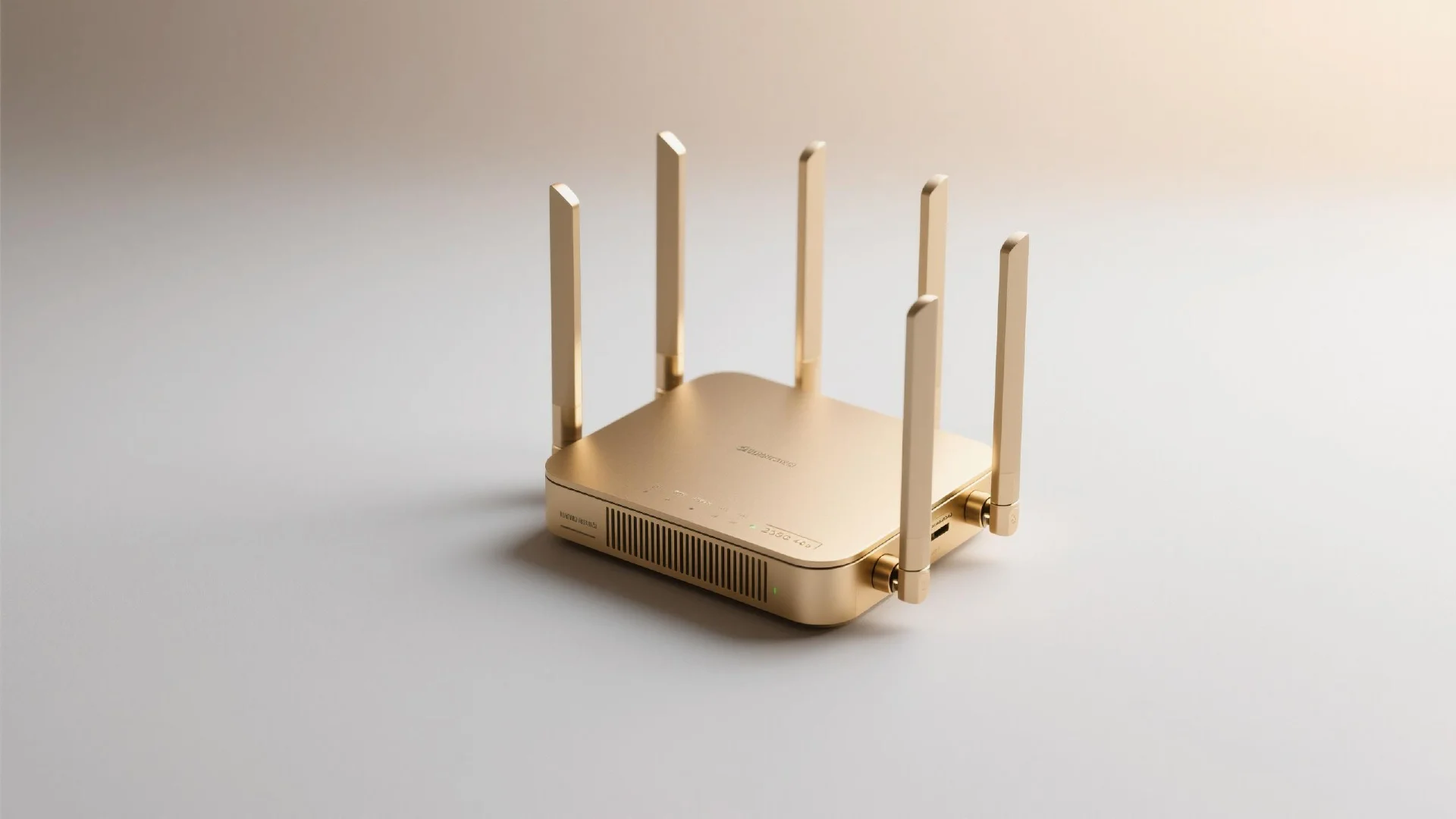
Purchase a certified hotspot or router from the specific DePIN project you join. Each network requires distinct firmware and antenna configurations to ensure proper coverage and reward eligibility. Verify the hardware is currently supported on the mainnet before buying.
Create a non-custodial wallet compatible with the network’s blockchain, such as Phantom for Solana-based DePIN projects. Fund this wallet with the native cryptocurrency to cover transaction fees for reporting data. Keep your seed phrase offline and secure; losing it means losing your node’s rewards forever.
Install the project’s companion app and link your wallet. Place the hardware in an open area with clear line-of-sight to maximize signal range. The app will guide you through a coverage test. Once verified, the node begins contributing to the mesh network and earning tokens.
Common questions about DePIN wireless
As DePIN wireless networks expand, potential participants often pause to evaluate the practical realities of running a mesh node. Understanding the trade-offs between profitability, reliability, and hardware compatibility helps separate viable opportunities from speculative hype.
Is DePIN wireless reliable enough for everyday use?
DePIN wireless relies on fixed wireless access, where providers connect users via wireless links rather than traditional fiber or copper lines. While this infrastructure is growing rapidly, reliability varies significantly by region and density. In areas with high node participation, mesh networks can offer robust backup connectivity. However, in sparse regions, latency and throughput may not yet match dedicated ISP services. Users should treat DePIN as a complementary or backup solution until network density improves in their specific locale.
How much can I earn from a DePIN mesh node?
Earnings depend on token rewards, which fluctuate with market demand and network incentives. Unlike traditional ISP revenue, DePIN payouts are tied to crypto asset performance. Participants earn tokens by providing bandwidth or storage, but the fiat value of these rewards can be volatile. It is essential to calculate potential earnings based on current token prices and network participation rates, not just projected token supply. Always factor in electricity and hardware costs to determine net profitability.
What hardware do I need to join a DePIN network?
Most DePIN wireless projects require specific, often proprietary, hardware designed to mesh with other nodes. Common devices include outdoor routers, gateways, or specialized antennas that connect to the local mesh. Some networks support community-built nodes using off-the-shelf equipment, but compatibility is strict. Check the specific project’s hardware requirements before purchasing, as incompatible devices will not earn rewards or connect to the network.
No comments yet. Be the first to share your thoughts!