5 DePIN Wireless Networks for Passive Income in 2026
Decentralized Physical Infrastructure Networks (DePIN) are reshaping passive income streams by allowing users to monetize hardware connectivity. This roundup identifies five specific wireless networks offering tangible earning potential in 2026, focusing on verified hardware and official network protocols.
1. Helium Mobile network coverage and rewards
Helium Mobile turns unused spectrum into passive income by rewarding users for extending 5G coverage. The hardware acts like a digital utility meter, tracking data usage and distributing tokens based on actual network contribution. This model incentivizes geographic expansion, allowing participants to earn while simply providing connectivity in underserved areas.

2. Hivemapper dashcam hardware and earning potential
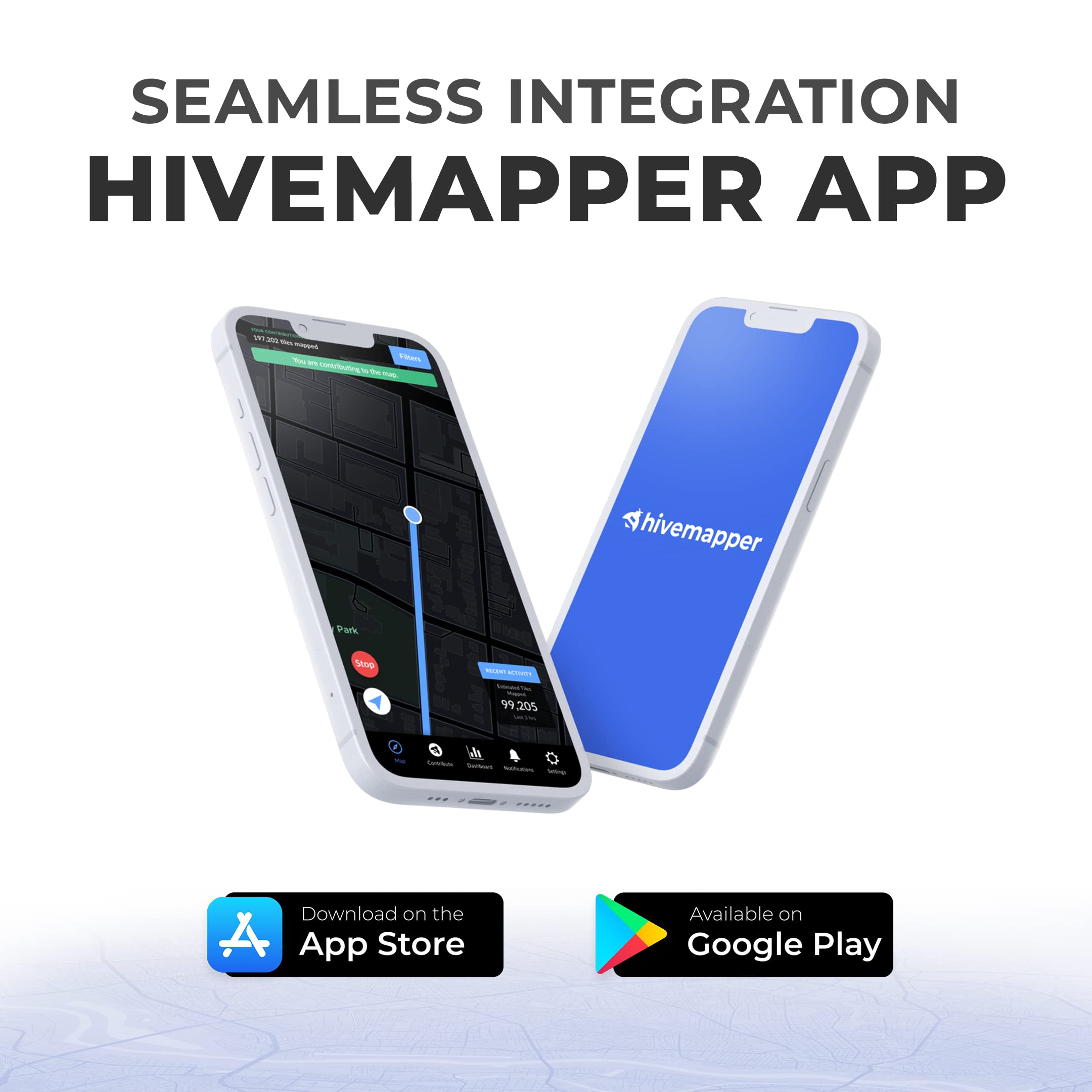
Hivemapper transforms everyday commutes into valuable map data by rewarding drivers for capturing street-level imagery. The specialized dashcam hardware operates autonomously, verifying location and time to ensure data integrity for AI navigation systems. Participants earn tokens proportional to the distance and quality of mapped roads they contribute to daily.
3. IoTeX IoT sensor integration for data rewards
IoTeX enables users to monetize environmental data by connecting affordable IoT sensors to a decentralized network. These devices collect metrics like air quality or temperature, creating verified datasets for researchers and enterprises. The integration process is straightforward, allowing homeowners to earn rewards by simply deploying sensors that contribute to global environmental monitoring efforts.

4. Grass bandwidth sharing for AI training data
Grass allows users to share unused internet bandwidth to support AI training data collection without impacting performance. The software runs quietly in the background, routing requests to help build larger, more accurate datasets for machine learning models. Participants earn rewards for the bandwidth they contribute, turning idle internet capacity into a passive income stream.

5. Peapling decentralized wireless infrastructure contributions
Peapling focuses on building decentralized wireless infrastructure by incentivizing users to host nodes that extend network reach. Participants contribute hardware resources to create a robust, distributed network capable of supporting IoT devices and low-power applications. This approach democratizes infrastructure ownership, allowing individuals to earn rewards by simply hosting equipment that supports broader connectivity goals.

How DePIN wireless generates rewards
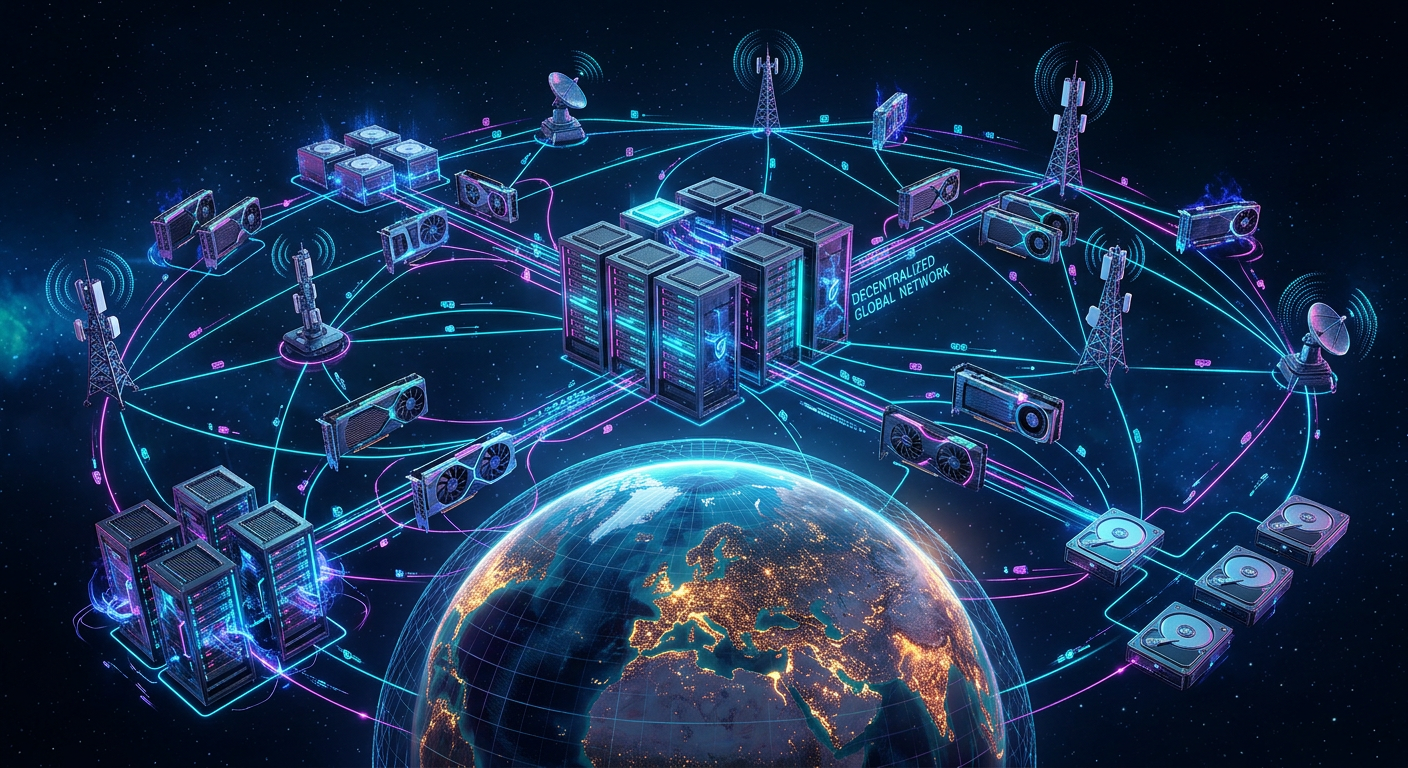
Decentralized Physical Infrastructure Networks (DePIN) flip the traditional telecom model on its head. Instead of a single corporation building cell towers and selling service, individuals deploy small, consumer-grade hardware to create a distributed network. You earn crypto rewards by providing physical wireless connectivity—such as Wi-Fi access or cellular coverage—to the people around you.
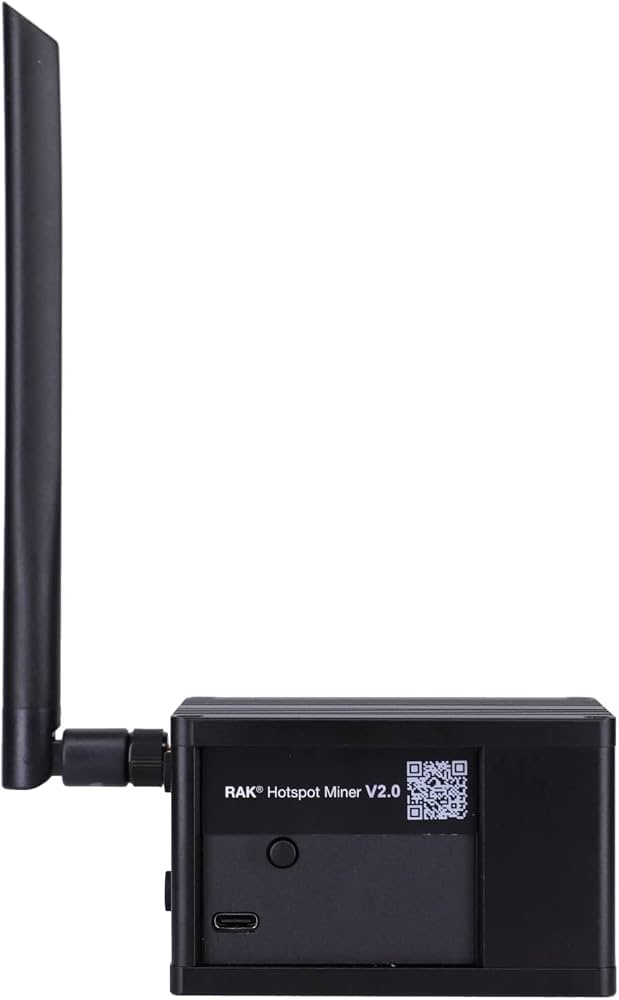
The process is straightforward. You purchase a compatible device, like a Helium Hotspot or a similar IoT gateway, and install it in a location with decent foot traffic. The hardware broadcasts a signal and logs data packets. The DePIN protocol verifies this contribution and mints tokens to your wallet as compensation. It is essentially a digital landlord model, where your "property" is the radio frequency spectrum you make available.
Rewards vary based on location density and device quality. In sparse areas, a single hotspot might capture significant traffic, earning higher yields. In urban centers, you may need multiple units to compete with neighbors. The token you receive is liquid; you can hold it as an investment or sell it for fiat currency on major exchanges.
To get started, you need the right hardware. The following products are popular entry points for building your own DePIN wireless income stream.


As an Amazon Associate, we may earn from qualifying purchases.
Comparing DePIN wireless networks
Choosing the right hardware depends on your space, budget, and how much effort you want to put in. The following table breaks down the entry requirements for the five leading networks. This comparison focuses on the physical devices and initial costs you will face when setting up passive income streams with DePIN wireless networks.
| Network | Required Hardware | Entry Cost | Space Needed |
|---|---|---|---|
| Helium | IoT or Mobile Hotspot | $50–$150 | Small, indoor |
| Hivemapper | Dash Cam (E1 or Dash 2) | $100–$250 | Vehicle windshield |
| IoTeX | mDNS2 or mDNS3 | $30–$60 | Small, indoor |
| Grass | Raspberry Pi or old PC | $35–$100 | Any outlet |
| Nodle | Nodle Spot or existing phone | $0–$100 | None or small |
Helium and IoTeX offer the easiest indoor setups, while Hivemapper requires a vehicle. Grass and Nodle have the lowest barriers to entry, with Nodle needing no dedicated hardware at all. Consider your daily routine and available space before buying equipment.
Frequently asked questions about DePIN
What is a decentralized physical infrastructure network? A DePIN project uses crypto tokens to bootstrap real-world hardware networks. Instead of a single company building infrastructure, independent users contribute physical resources like wireless coverage or storage. The network grows through these distributed contributions, creating tangible hardware networks that operate without central ownership.
What is the DePIN sector? The DePIN sector sits near $20 billion in 2026. It is a rapidly growing category of crypto projects that focus on physical assets. This includes wireless networks, sensor data collection, and decentralized storage. The sector is distinct because it links digital token incentives to real-world utility and hardware deployment.
What are the latest DePIN projects? Current leaders include Helium for wireless coverage, Filecoin for decentralized storage, and Hivemapper for mapping data. These projects are among the most active DePIN networks today. They allow users to earn passive income by providing hardware and data to the network.
No comments yet. Be the first to share your thoughts!