DePIN wireless 2026
The landscape of decentralized wireless infrastructure has shifted from experimental beta to operational reality. As 5G and WiFi 7 hardware becomes more accessible, the barrier to entry for building decentralized networks has lowered significantly. This section outlines the most viable projects for 2026, focusing on active networks with tangible hardware requirements.
We evaluated each project against three strict criteria: mainnet maturity, hardware accessibility, and revenue transparency. We excluded projects still in testnet phases or those relying solely on software contributions. The list prioritizes networks where users can physically deploy equipment—such as hotspots or gateways—to earn rewards. Each entry below represents a distinct layer of the DePIN stack, from raw compute to wireless coverage.
7 2026 DePIN Wireless Boom: How Decentralized 5G & WiFi 7 Networks Are Disrupting Telecom
The 2026 DePIN wireless landscape is shifting from experimental pilots to operational infrastructure, with decentralized 5G and WiFi 7 networks challenging traditional telecom monopolies. This section breaks down the seven most critical hardware and protocol developments driving this disruption, focusing on tangible products and real-world deployment metrics rather than theoretical potential.
-
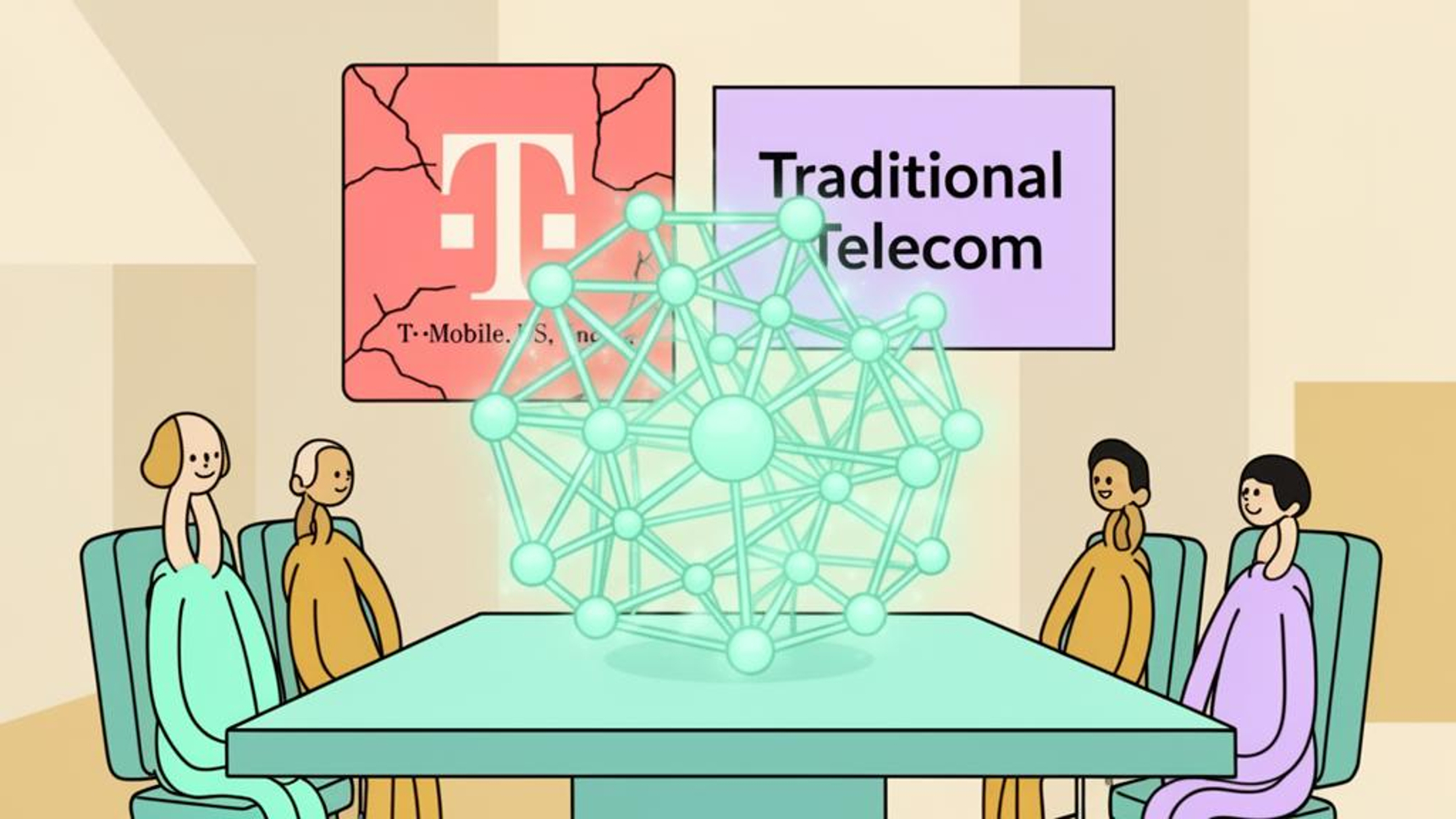
Helium Mobile’s 5G coverage expansion strategy
Helium Mobile leverages a crowdsourced network of IoT devices to extend 5G coverage without heavy carrier infrastructure. This model reduces capital expenditure by distributing hardware costs among users. As Andrew Yang’s Noble Mobile acquires Helium, the focus shifts to integrating this decentralized layer with traditional telecom services. The strategy relies on dense urban adoption to ensure seamless handoffs, challenging incumbent providers through community-driven scalability and lower operational overhead. -
Hivemapper’s decentralized WiFi mapping incentives
Hivemapper originally mapped roads but now applies similar incentive models to wireless infrastructure. Users earn tokens by driving equipped dashcams that also scan WiFi signals, creating a hyper-local map of network availability. This data helps DePIN projects identify optimal hotspot locations. The dual-purpose hardware approach maximizes user utility, turning daily commutes into valuable data contributions for network planning and coverage verification. -

IoTeX’s hardware-backed wireless node models
IoTeX focuses on secure, hardware-backed nodes that ensure physical integrity of the network. Their devices utilize secure elements to prevent tampering, crucial for maintaining trust in decentralized wireless infrastructure. This approach appeals to enterprise users requiring high security standards. By embedding cryptographic security into the hardware level, IoTeX differentiates itself from software-only solutions, offering a robust foundation for critical 5G and IoT communications. -
Peapod’s community-driven 5G hotspot rewards
Peapod incentivizes individuals to host 5G hotspots by rewarding them with tokens for providing coverage. This community-driven model fills coverage gaps in underserved areas where traditional carriers lack investment. Participants earn passive income while expanding network reach. The platform simplifies setup, making it accessible for non-technical users. This grassroots expansion strategy accelerates deployment timelines and reduces the financial burden on central operators. -
Tokenomics of decentralized WiFi 7 access points
Decentralized WiFi 7 access points utilize sophisticated tokenomics to balance supply and demand for bandwidth. Tokens are earned by providers offering high-speed, low-latency connections and spent by users consuming data. This market-driven pricing ensures efficient resource allocation. The introduction of WiFi 7 standards enhances throughput, making these networks competitive with traditional ISPs. Sustainable token models are critical for long-term network viability and user retention. -

Regulatory hurdles for DePIN spectrum usage
Navigating unlicensed spectrum bands like CBRS requires strict adherence to local telecommunications laws. Operators must coordinate with incumbent users to prevent interference, a process that can delay deployment. Non-compliance risks heavy fines or hardware confiscation. Understanding regional frequency allocations is critical before purchasing nodes, as regulations vary significantly between countries. This legal complexity acts as a barrier to entry for casual participants. -

Hardware compatibility for consumer 5G routers
Consumer-grade 5G routers often lack the specific firmware required for DePIN network participation. Many devices lock carrier settings, preventing the software from broadcasting correctly or rewarding users. Verify that your router supports open-source firmware like OpenWrt before investing. Incompatible hardware results in zero earnings despite active internet connectivity. Always check project documentation for certified device lists to avoid wasting capital on unusable equipment.
Pick the right fit
Choosing a DePIN wireless project requires matching your technical capabilities with the network’s specific hardware and token requirements. The 2026 landscape favors specialized nodes over generic hardware, meaning a mismatch here can lead to idle equipment or regulatory friction.

Start by checking the official hardware list for your target network. DePIN wireless projects like Helium or Hivemapper often require specific, firmware-locked routers. Generic WiFi 7 hardware may look powerful on paper, but if it lacks the network’s cryptographic signature, it will earn zero rewards.
Wireless spectrum is heavily regulated. Before deploying hardware, confirm that the network operates legally in your region. In some areas, running a decentralized 5G or WiFi 7 node without a license violates federal communications laws, risking fines or equipment seizure.
Do not rely on headline token prices. Use current token metrics to calculate daily earnings based on your location’s coverage density. High-traffic urban areas may yield more data usage rewards, while rural spots might pay for coverage provision. Subtract electricity and internet costs to find your true net profit.
Look for networks with active, independent node operators rather than a few large data centers. A truly decentralized network is more resilient to censorship and price manipulation. Check the number of active hotspots in your region; if only a few entities control the local nodes, the network is likely centralized in practice.
The token must have a clear use case beyond speculation. Look for networks where users pay for services (like data access or compute) using the native token. This creates organic demand. If the token is only used for governance or staking without a primary service payment mechanism, the revenue model is fragile.
Join the network’s Discord or Telegram. A healthy community indicates active development and support. Look for regular updates, bug fixes, and transparent roadmaps. If the community is silent or dominated by price speculation, the project may lack the operational discipline needed for long-term infrastructure reliability.
Understand how and when you get paid. Some networks pay out daily, others monthly. Some require a minimum threshold before withdrawal. Ensure the payout frequency aligns with your cash flow needs. Also, check if payouts are in the native token or a stablecoin, as token volatility can significantly impact your realized earnings.
| Feature | Helium | Hivemapper | Render |
|---|---|---|---|
| Primary Use | Wireless Coverage | Mapping Data | GPU Compute |
| Hardware Type | Mobile/IoT Hotspot | Dash Cam | GPU Server |
| Payout Frequency | Daily | Monthly | Weekly |
| Entry Cost | $150-$300 | $500-$1000 | $2000+ |


As an Amazon Associate, we may earn from qualifying purchases.
No comments yet. Be the first to share your thoughts!