The hardware bottleneck in DePIN wireless
Decentralized wireless networks promise to bypass traditional telecom infrastructure, but they run into a physical wall: hardware. A DePIN device is not just a software wallet; it is a piece of hardware—a router, antenna, or modem—that must be manufactured, shipped, and installed in the real world. This creates a supply chain constraint that pure software protocols never face.
Unlike cloud computing, where you can spin up a server in minutes, building a wireless mesh requires sourcing chips, enclosures, and cellular modems. This hardware dependency limits how quickly a network can scale. If the supply of specialized radios is constrained, the network’s capacity remains capped, regardless of how much capital is injected into the token economy.
The tradeoff is clear. While DePIN can reduce the need for expensive fiber-optic trenching, it shifts the cost burden to individual users who must purchase and maintain the equipment. This hardware friction is the primary reason why widespread adoption moves slower than token price charts suggest. The network is only as strong as its physical nodes, and those nodes are bound by global manufacturing realities.
Depin wireless choices that change the plan
Choosing a decentralized wireless network means evaluating how the infrastructure balances cost, coverage, and reliability against traditional telecom models. DePIN projects use blockchain technology to unlock value from otherwise disconnected real-world systems, but the consumer experience varies significantly by network design and tokenomics. Readers should weigh these concrete factors before committing hardware or relying on a DePIN connection for critical tasks.
Coverage and Density
Fixed wireless access means telecom companies don't need to run wires from a data center to your house, but DePINs rely on distributed nodes. Coverage depends entirely on the density of active hotspot owners in your specific area. Unlike traditional carriers with guaranteed infrastructure budgets, DePIN coverage is organic and uneven. You must verify local node density before assuming reliable service.
Latency and Performance
Decentralized networks often route traffic through multiple hops or congested peer-to-peer channels. This can introduce latency spikes compared to fiber or dedicated 5G slices. For real-time applications like gaming or video conferencing, the variance in packet delivery can be noticeable. Test the network during peak hours to see if the decentralization overhead impacts your specific use case.
Cost and Token Volatility
The primary appeal of DePIN is lower monthly fees, often paid in volatile tokens rather than fiat. While entry costs are low, the effective price fluctuates with the underlying asset's market performance. A stablecoin-denominated plan offers predictability, while token-based rewards introduce financial risk. Always calculate the worst-case token price when budgeting for your connection.
Hardware and Maintenance
You are responsible for the physical hardware, power, and internet backhaul for your node. Unlike a leased modem, a DePIN hotspot requires technical troubleshooting and potential firmware updates. If the node goes offline, you stop earning rewards and may face penalties. Factor in the time cost of maintenance against the potential passive income.
| Factor | DePIN Wireless | Traditional Telecom |
|---|---|---|
| Coverage | Organic, node-dependent | Guaranteed infrastructure |
| Cost | Token-volatile, lower base | Fixed fiat, higher base |
| Latency | Variable, peer-to-peer hops | Dedicated, stable |
| Maintenance | User-responsible hardware | Provider-managed |
How to Choose a DePIN Wireless Provider
Decentralized 5G is not a single product but a set of competing protocols. To avoid locking capital into a failing network, you must evaluate the underlying infrastructure before buying hardware or tokens.
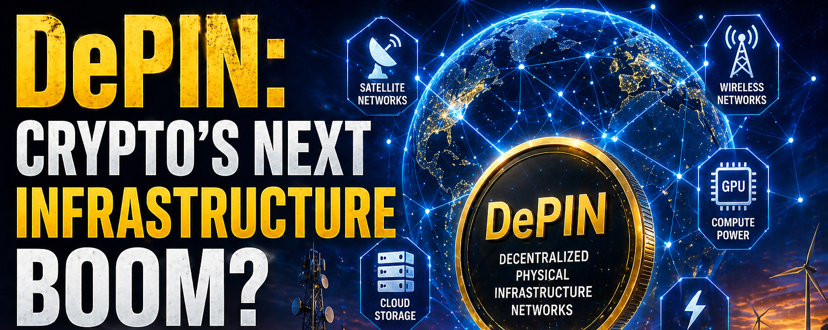
DePIN devices, such as fixed wireless access routers, rely on specific chipsets and frequency bands. Ensure your chosen provider supports the hardware you already own or plan to buy. Incompatible gear will not connect to the mesh, rendering your investment useless.
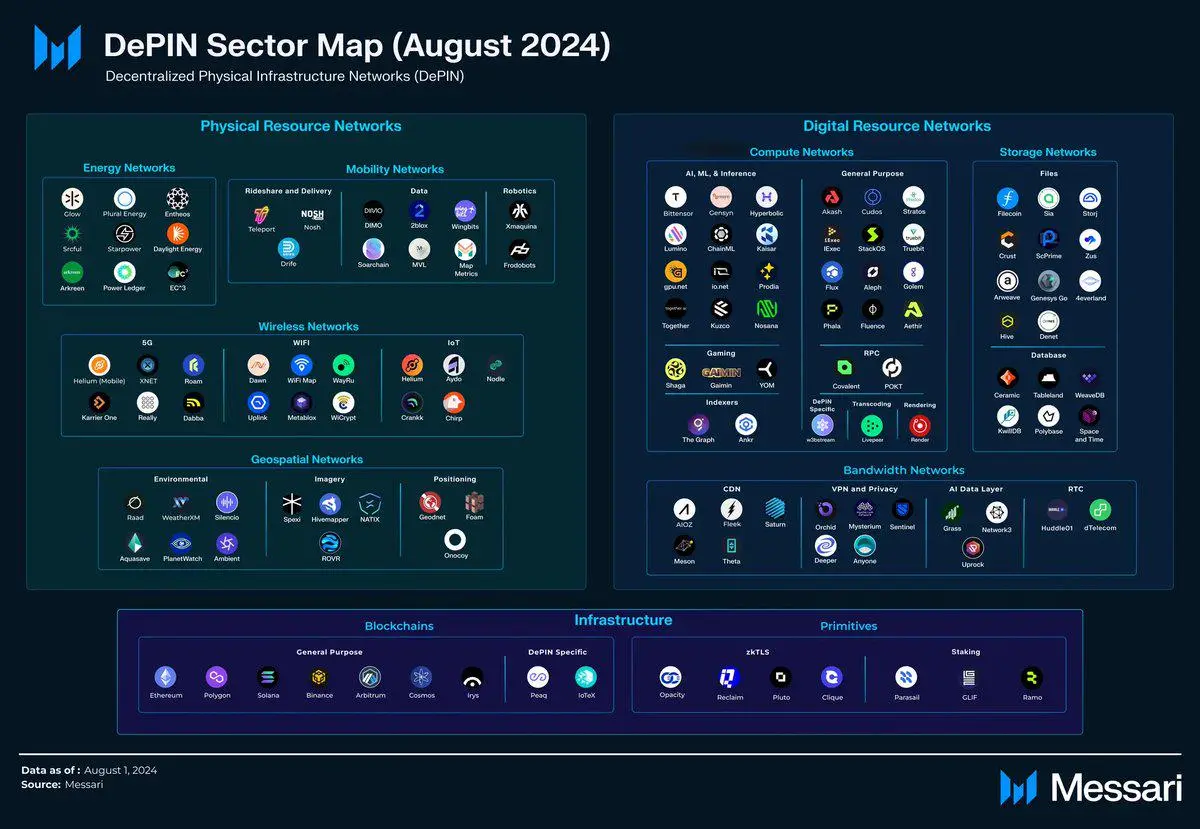
Look for networks that reward consistent uptime rather than just initial deployment. A sustainable model pays for actual data relayed, not just for showing up. Avoid projects that offer inflated token emissions with no clear path to revenue from enterprise customers.
A decentralized network is only as good as its node count. Check the provider’s live map to see if there are enough active gateways in your target area. Sparse coverage leads to poor throughput and lower rewards for node operators.
Wireless spectrum is heavily regulated. Ensure the provider operates within local legal frameworks for frequency usage and data privacy. Non-compliant networks face sudden shutdowns, which can wipe out operator earnings overnight.
| Feature | Tier 1 Network | Emerging Network |
|---|---|---|
| Incentive Type | Per-GB Data Relay | Fixed Token Emissions |
| Hardware Lock-in | Open Standard | Proprietary Chipset |
| Enterprise Revenue | Direct Contracts | Speculative Demand |
Spotting Weak DePIN Wireless Options
As the 2026 DePIN wireless boom accelerates, investors and users must separate viable infrastructure from overhyped concepts. Decentralized Physical Infrastructure Networks (DePIN) offer a compelling alternative to traditional telecom by leveraging blockchain incentives to fund real-world hardware. However, the market is flooded with projects that promise global coverage but lack the capital expenditure required for reliable hardware deployment.
To navigate this high-stakes landscape, focus on three critical evaluation points: tokenomics sustainability, hardware viability, and regulatory compliance. Avoid projects that rely solely on speculative token appreciation rather than actual network usage fees. Ensure the hardware is commercially available and not just a prototype. Finally, verify that the project has a clear path to regulatory approval in its target markets, particularly regarding spectrum licensing.
Evaluating Tokenomics and Network Utility
Many DePIN wireless projects fail because their token models are unsustainable. Look for networks where tokens are earned through genuine service provision, such as sharing bandwidth or hosting nodes, rather than through simple holding incentives. The token should have clear utility within the network, such as paying for data access or rewarding node operators. If the primary value driver is speculation rather than network utility, the project is likely to collapse once the hype fades.
Assessing Hardware and Deployment Reality
A major pitfall in the DePIN space is the gap between promised hardware and actual deployment. Reputable projects will have commercially available, ruggedized hardware that can operate in diverse environments. Be wary of projects that rely on consumer-grade devices unsuited for long-term outdoor use. Additionally, check the deployment roadmap. A realistic plan includes phased rollouts with measurable milestones, whereas vague promises of "global coverage by 2026" are often red flags.
Checking Regulatory and Spectrum Compliance
Wireless infrastructure is heavily regulated, and ignoring this aspect is a common mistake. DePIN projects must navigate complex spectrum licensing laws, which vary significantly by country. Projects that operate in legal gray areas risk having their infrastructure shut down. Look for partnerships with established telecom operators or clear engagements with regulatory bodies. This compliance is not just a legal formality but a critical indicator of the project's long-term viability and integration potential with existing telecom networks.
Depin wireless: what to check next
Before committing to decentralized infrastructure, it helps to separate the hardware reality from the token economics. Here are the most common practical questions about how these networks actually operate.
No comments yet. Be the first to share your thoughts!