Why DePIN wireless matters now
The traditional model for building telecommunications infrastructure is hitting a wall. Deploying fiber optic cables and 5G cell towers requires massive upfront capital expenditure (capex) and years of permitting. For many rural areas and dense urban pockets, the cost of digging trenches or mounting hardware simply doesn’t justify the return for incumbent ISPs. This economic friction has created a persistent connectivity gap that centralized players have struggled to fill.
DePIN wireless offers a different path. By leveraging blockchain incentives, these networks allow individuals and businesses to deploy their own hardware—small base stations or hotspots—that contribute to a shared wireless mesh. Projects like Helium have demonstrated that fixed wireless access can work without the heavy lifting of traditional telecom. Instead of running wires from a data center to every home, the network grows organically through community participation, effectively crowdsourcing the physical layer of the internet.
This shift is particularly urgent as demand for low-latency, high-bandwidth connections outpaces the rollout of legacy infrastructure. DePIN networks are not just about replacing expensive cables; they are about democratizing access to the digital economy. When users own the infrastructure, they also capture the value it generates, creating a sustainable loop of maintenance and expansion that centralized providers often lack the incentive to pursue.
The market is already responding to this structural shift. As the underlying technology matures and regulatory clarity improves, we are seeing a transition from experimental pilots to viable commercial alternatives. This isn't just a crypto trend; it's a fundamental rethinking of how physical infrastructure can be financed and maintained in a decentralized world.
How decentralized 5G 2026 models work
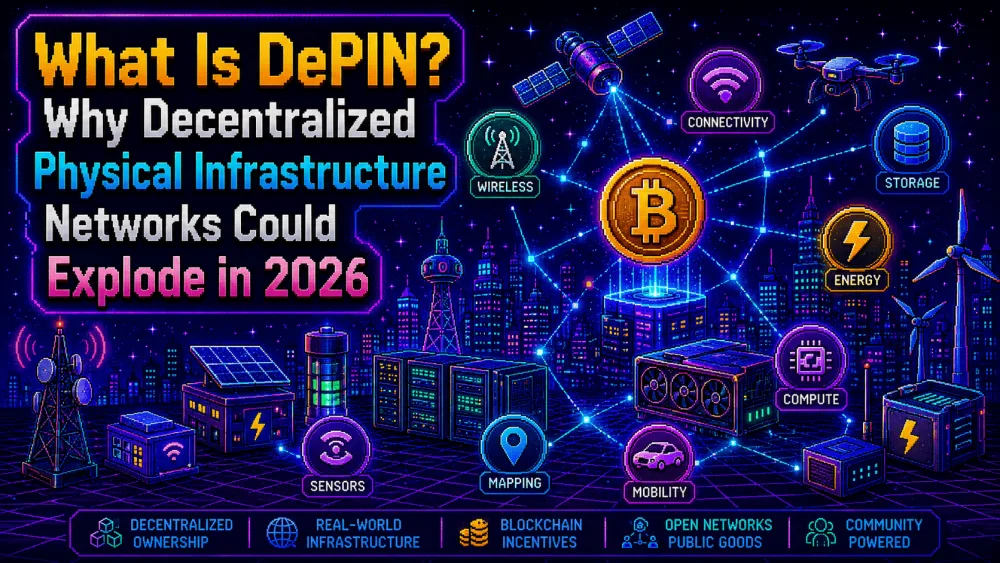
Decentralized Physical Infrastructure Networks (DePIN) for wireless operate by replacing traditional telecom monopolies with a distributed network of independent hardware providers. Instead of a single corporation funding millions in fiber and cell towers, individuals and small businesses deploy hotspots that contribute to community-owned 5G coverage. This model shifts the capital expenditure burden from centralized balance sheets to a global market of participants.
The economic engine driving this shift is token incentives. Providers are rewarded with cryptocurrency tokens for deploying hardware and offering genuine wireless coverage to end-users. This creates a direct feedback loop: the more coverage a provider offers, the more they earn, which in turn expands the network's reach without corporate overhead. It aligns the financial interests of the hardware owner with the utility needs of the network user.
This mechanism relies on cryptographic proof of coverage. Nodes must demonstrate they are actually transmitting and receiving data in specific geographic locations to receive rewards. This prevents "ghost nodes"—devices that claim to provide service but do not—and ensures that the token supply is backed by real, usable infrastructure. The result is a scalable network where growth is funded by the participants themselves.
The market performance of leading DePIN tokens often reflects broader trends in network adoption and hardware deployment. While volatility remains a factor, the underlying metric for success is not just price, but the density and reliability of the wireless mesh. As 2026 approaches, the integration of these decentralized layers with existing 5G standards promises to lower barriers to entry for both providers and consumers.
- Hardware providers earn tokens for verified coverage
- Network users access affordable, community-owned connectivity
- Cryptographic proofs ensure infrastructure integrity
- Capital expenditure is distributed globally
Leading DePIN wireless projects in 2026
Use this section to make the DePIN Wireless decision easier to compare in real life, not just on paper. Start with the reader's actual constraint, then separate must-have requirements from details that are merely nice to have. A practical choice should survive normal use, maintenance, timing, and budget. If a recommendation only works in an ideal situation, call that out plainly and give the reader a fallback path.
| Factor | What to check | Why it matters |
|---|---|---|
| Fit | Match the option to the primary use case. | A good deal still fails if it does not fit the job. |
| Condition | Verify age, wear, and service history. | Hidden condition issues erase upfront savings. |
| Cost | Compare purchase price with likely upkeep. | The cheapest option is not always the lowest-cost option. |
How Mesh Network Rewards Work
Decentralized Physical Infrastructure Networks (DePIN) shift the economics of connectivity by paying users for the physical hardware they deploy. Instead of a single corporation funding cell towers, individuals earn cryptocurrency by running hotspots that provide wireless coverage or contribute data to the network.
The primary incentive is token issuance. Projects like Helium reward participants with native tokens for proving coverage and bandwidth contribution. This model aligns financial gain with network growth; as more users join to earn rewards, the network expands, increasing the utility and potential value of the tokens.
To understand the financial potential, you must look at the live market data for these assets. Token prices fluctuate based on network adoption and broader crypto market trends, so checking current values is essential for accurate earnings projections.
Earnings are not guaranteed and depend on several variables: location density, hardware quality, and network demand. In saturated areas, rewards may drop as the network reaches capacity, while underserved regions often offer higher yields to attract new coverage. This dynamic creates a competitive but merit-based economy for mesh network participants.
No comments yet. Be the first to share your thoughts!