DePIN Wireless Market Snapshot
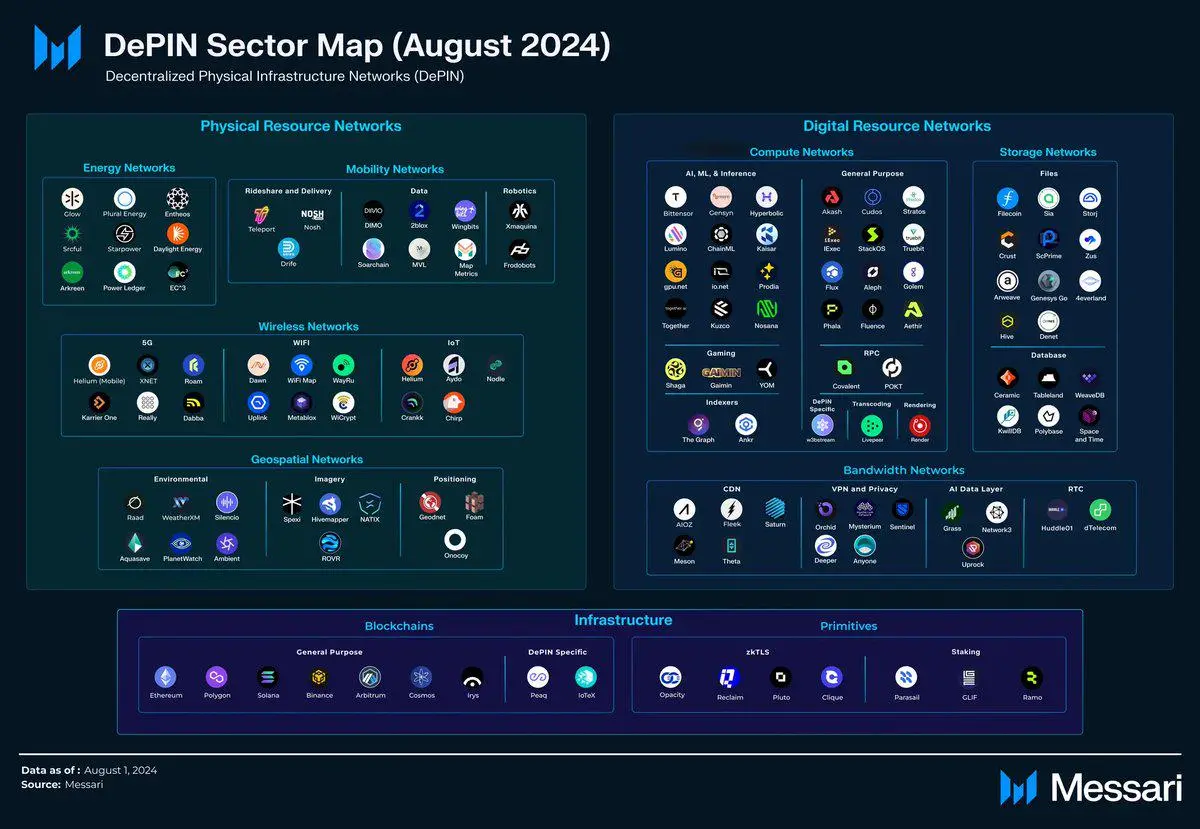
The decentralized physical infrastructure (DePIN) sector has matured from experimental pilot projects into a significant economic force. By 2026, the wireless connectivity segment is no longer just a niche for hobbyists; it is a structured market competing directly with traditional telecommunications models. The total market capitalization for DePIN projects exceeded $50 billion in 2024, with projections suggesting expansion toward $3.5 trillion by 2028, driven largely by the need for affordable, decentralized wireless coverage in underserved rural areas [Messari].
Wireless DePIN networks operate on a fundamentally different logic than centralized telcos. Instead of relying on massive capital expenditure for tower construction, these networks leverage distributed hardware owned by individuals and small businesses. Participants monetize underutilized resources, such as spare bandwidth or idle radio spectrum, creating a resilient mesh of connectivity that scales organically [Rapid Innovation]. This shift reduces the barrier to entry for connectivity providers while offering users lower costs and greater data sovereignty.
The current landscape is defined by tokenized incentives that align network growth with user participation. Projects like Helium Mobile and various IoT-focused wireless networks have demonstrated that decentralized coverage can match the reliability of established providers in many regions. The market is consolidating around a few major protocols that offer robust developer tools and clear regulatory compliance, moving the sector away from speculative volatility toward utility-driven value.
To understand the current sentiment and volatility in this sector, investors and developers often track the performance of leading DePIN tokens. The chart below illustrates the recent price action for Celestia (TIA), a key infrastructure token that supports modular blockchain networks often used to secure DePIN data layers. Its movement often correlates with broader interest in decentralized infrastructure projects.
Helium Mobile leads consumer wireless adoption
Helium Mobile has emerged as the primary example of DePIN wireless reaching mainstream consumer viability in 2026. By leveraging its existing decentralized hotpot infrastructure, the network offers a fully functional mobile service that bypasses traditional carrier exclusions. This model allows users to connect via eSIM without the friction of legacy hardware contracts, marking a significant shift in how decentralized physical infrastructure networks approach mass-market adoption.
The network’s growth is closely tied to the performance and liquidity of its native token, HNT. As consumer usage scales, the demand for tokenized incentives rises, creating a direct feedback loop between user adoption and network value. The live market data for HNT reflects this dynamic, showing how consumer connectivity metrics translate into tangible asset performance.
Helium Mobile’s success demonstrates that DePIN wireless can compete with centralized incumbents on price and accessibility. By offering competitive rates and global coverage through a distributed network of hotspots, it provides a viable alternative for rural and underserved areas. This approach not only expands connectivity but also validates the underlying economic model of tokenized infrastructure, proving that decentralized networks can deliver reliable, consumer-grade services.
Titan Network targets high-speed mesh connectivity
While many DePIN wireless projects focus on low-bandwidth IoT applications, Titan Network has positioned itself to solve the more complex challenge of high-throughput connectivity. The network aims to provide a decentralized alternative to traditional ISPs, specifically targeting rural areas where centralized infrastructure is either too expensive to deploy or simply unavailable. By leveraging a mesh topology, Titan allows nodes to relay data for one another, extending range and reliability without the need for massive, monolithic tower structures.
This approach contrasts sharply with the sparse, low-data requirements of smart meter or agricultural sensor networks. Titan’s infrastructure is designed to handle the heavier bandwidth demands of general internet access, video streaming, and remote work applications. The network utilizes a proof-of-relay consensus mechanism, rewarding participants not just for hardware presence, but for the actual volume and quality of data they help transmit across the mesh. This economic model aligns user incentives with network performance, ensuring that the infrastructure remains robust and actively maintained.
The broader DePIN market, which reached a capitalization of over $50 billion in 2024 and is projected to expand significantly through 2028, provides a fertile environment for such ambitious projects.
The success of Titan Network depends on its ability to demonstrate that decentralized mesh networks can match the reliability and user experience of established, centralized providers, a hurdle that has defined the sector’s evolution in 2026.Comparing wireless DePIN projects by use case
Choosing the right DePIN wireless network depends on whether you need high-bandwidth human connectivity or low-power machine-to-machine communication. The landscape splits primarily between general-purpose mobile networks and specialized IoT solutions. Understanding these distinctions helps investors and operators align their hardware with the right economic model.
Helium Mobile serves as the primary example of a consumer-focused DePIN wireless network. It leverages the Helium 5G network to provide LTE coverage, rewarding hotspots for bringing connectivity to underserved rural areas. This model competes directly with traditional carriers by offering lower-cost data plans backed by a decentralized infrastructure layer. The network's growth is tied to the adoption of compatible devices and the density of coverage maps in target regions.
In contrast, networks like The Graph or specialized IoT-focused DePINs prioritize data integrity and low-power connectivity over high-speed broadband. These projects often utilize LoRaWAN or similar protocols to support smart agriculture, environmental monitoring, and industrial automation. The economic incentives here are driven by the volume of data transactions rather than data consumption, creating a different risk-reward profile for node operators.
The table below contrasts key metrics for major wireless DePIN projects to illustrate these differences.
| Project | Primary Focus | Protocol | Target Use Case |
|---|---|---|---|
| Helium Mobile | Consumer Broadband | Helium 5G/LTE | Rural & Urban Mobile Data |
| IoTeX | IoT Data | IoTeX Blockchain | Smart Home & Industrial IoT |
| Hivemapper | Mapping Data | Ethereum Layer 2 | Dashcam Mapping & Analytics |
| Peapods | Agricultural IoT | LoRaWAN | Crop Monitoring & Soil Sensors |
Regulatory and Hardware Risks in DePIN Wireless
Tokenized connectivity models offer a compelling alternative to traditional infrastructure, but they carry distinct high-stakes risks. Unlike centralized telecom giants, DePIN networks rely on a fragile balance between economic incentives and physical reliability. For DePIN wireless 2026 to succeed, these networks must prove they can match the uptime and user experience of established providers while navigating an evolving regulatory landscape.
Regulatory uncertainty remains the most significant headwind. Token compensation models often fall into a gray area between securities, commodities, and utility tokens. As these networks scale globally, they face increasing scrutiny from financial regulators who are still defining the boundaries of decentralized infrastructure. This ambiguity can freeze investment or force rapid, costly pivots in network design.
Hardware reliability presents a parallel challenge. In a decentralized model, network quality depends on thousands of individual node operators rather than a single corporate entity. If a significant portion of nodes fails or degrades, the entire network suffers. Unlike traditional carriers that maintain redundant enterprise-grade infrastructure, DePIN relies on consumer-grade hardware that may not withstand long-term wear or environmental stress.
The market has already priced in these risks. While the broader DePIN sector is projected to grow significantly, volatility remains high. Investors must weigh the potential for massive upside against the reality that many projects may struggle to achieve the technical and legal milestones required for mainstream adoption.
Frequently asked questions about DePIN wireless
Does DePIN wireless have a future?
DePIN wireless projects like Helium and Titan Network are proving that decentralized coverage can compete with traditional carriers. The sector's viability hinges on matching the reliability and user experience of centralized incumbents while navigating complex regulatory landscapes regarding token compensation.
How big is the DePIN market?
The decentralized physical infrastructure sector has seen explosive growth, with a market capitalization exceeding $50 billion in 2024. Projections from Messari suggest the total addressable market could reach $3.5 trillion by 2028 as wireless and compute networks mature.
How to make money with DePIN wireless?
Participants monetize underutilized physical assets, such as spare bandwidth or unused storage, by deploying community nodes. Earnings are distributed as native tokens, which can be held for potential appreciation or traded on exchanges to realize value.
No comments yet. Be the first to share your thoughts!