
Decentralized Physical Infrastructure Networks (DePINs) are quietly ushering in a new era for real-world data collection, with blockchain as the backbone and community as the engine. In this landscape, Wingbits stands out as a prime example of how decentralized wireless rewards can reshape entire industries, starting with aviation.
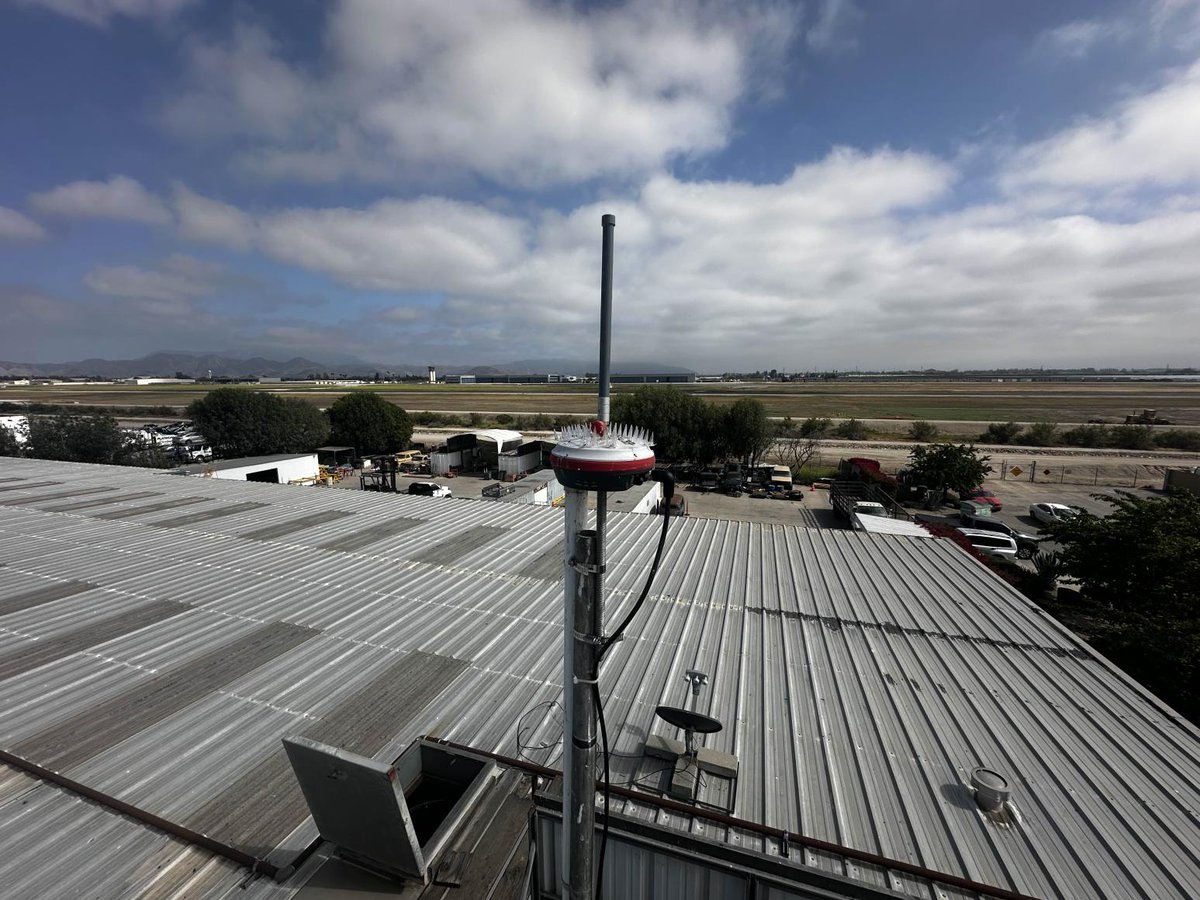
In the past, gathering live aircraft position data was the realm of expensive radar systems and centralized agencies. Today, however, anyone can participate in this process by installing a simple plug-and-play device, often a Raspberry Pi paired with a radio receiver and antenna, on their rooftop or balcony. This grassroots approach is not just democratizing access to critical aviation data; it’s also rewarding contributors directly through blockchain-based incentives.
The Power of Community-Driven Flight Tracking
At its core, Wingbits leverages the DePIN model to build an expansive network of over 4,000 live stations across more than 100 countries. These stations collectively track approximately 150,000 flights every day. The scale is impressive, but what’s even more significant is how participation is structured: contributors earn $WINGS tokens, which serve as both a reward and a utility within the ecosystem.
This tokenized incentive structure flips traditional data collection on its head. Instead of relying on top-down mandates or costly infrastructure rollouts, Wingbits taps into local knowledge and physical presence. The result? A richer, more granular dataset that benefits everyone from airports and airlines to app developers and environmental researchers.
Blockchain Incentives: From Data Collection to Real-World Utility
The introduction of $WINGS tokens does more than gamify participation, it creates genuine economic opportunities for everyday users. Participants can exchange their earned tokens for tangible services like air miles or airport lounge access. This direct link between digital rewards and real-world perks underscores why DePINs are gaining traction in sectors where data accuracy and coverage matter most.
Wingbits’ recent partnership with peaq further strengthens this vision. By integrating peaq’s layer-1 blockchain technology, Wingbits has introduced self-sovereign identities for antennas (using peaq IDs), decentralized rewards distribution mechanisms, and shared ownership over specific map regions represented as NFTs (dubbed SkyHexes). This technological stack ensures that rewards are distributed equitably based on actual contributions, moving beyond mere proof-of-location to true proof-of-value.
SkyHexes: Regional Ownership Meets Decentralized Incentives
The SkyHex system is particularly noteworthy in its ambition to achieve full global coverage while maintaining fairness among participants. Each SkyHex represents a defined region on the world map; contributors who provide valuable flight tracking data within these regions receive proportional crypto incentives. This approach not only motivates individuals to deploy hardware in underserved areas but also creates a transparent framework for rewarding those who enhance network density where it matters most.
The implications extend far beyond hobbyist engagement or speculative token earning. With precise flight tracking now available through thousands of decentralized nodes, aviation stakeholders gain access to real-time insights that can optimize operations, reduce delays, and even help monitor environmental impact by tracking carbon emissions with unprecedented granularity.
For aviation insurers, logistics companies, and airports, the ability to access robust, community-sourced data is a game changer. Instead of relying on fragmented or outdated datasets, these organizations can tap into a living, breathing network that updates in real time. The decentralized nature of the Wingbits network also ensures resilience against single points of failure, a crucial advantage in an industry where uptime and reliability are non-negotiable.
Perhaps most compelling is how this model empowers individuals worldwide. The threshold for participation is intentionally low: a modest investment in hardware and an internet connection. From there, contributors not only become integral nodes in a global infrastructure but also share in the economic upside. This aligns incentives across stakeholders, from tech-savvy enthusiasts to commercial partners, creating a self-reinforcing cycle of network growth and data quality.
Challenges, Opportunities, and the Road Ahead
No technological shift is without its hurdles. For DePIN projects like Wingbits, challenges include ensuring data authenticity (preventing spoofed or low-quality data), navigating evolving regulatory frameworks around airspace information, and balancing tokenomics so that rewards remain attractive yet sustainable over time.
Yet these obstacles are being met with innovative solutions: cryptographic verification for data submissions, transparent smart contract-based rewards distribution, and ongoing dialogue with regulators to ensure compliance without sacrificing decentralization. The rapid pace of adoption, evidenced by Wingbits’ $5.6 million raise and swift global expansion, signals that both the market and the community see enduring value in this paradigm.
Looking forward, we can expect DePIN models to proliferate well beyond aviation. The combination of blockchain IoT incentives and decentralized wireless infrastructure is already being explored for environmental sensing, supply chain monitoring, public safety networks, and more. Each new use case further validates the premise that real-world data collection can be democratized, and monetized, in ways previously unimaginable.
Ultimately, projects like Wingbits exemplify why macro matters in wireless innovation: when you align grassroots participation with robust blockchain incentives and open access to critical infrastructure data, you do more than disrupt legacy systems, you build entirely new markets where everyone has skin in the game. As DePIN wireless matures from experiment to essential service across verticals like aviation, expect both opportunity, and responsibility, to scale just as rapidly as the networks themselves.



No comments yet. Be the first to share your thoughts!