
Decentralized wireless is transforming the Internet of Things (IoT) landscape, and nowhere is this more evident than on the Helium Network. With its global LoRaWAN coverage, blockchain incentives, and open-access ethos, Helium has emerged as a leading DePIN (Decentralized Physical Infrastructure Network) for real-world IoT deployments. While network utilization is still in its early stages and HNT trades at $2.55, the current use cases show tangible value across industries that demand scalable, low-cost connectivity.
Who Is Really Using the Helium Network?
Despite some skepticism in online communities about adoption rates, the reality is that more enterprises and solution providers are leveraging Helium’s decentralized wireless backbone than ever before. From logistics giants to agtech startups and city governments, Helium’s open infrastructure enables IoT applications that would be cost-prohibitive or technically infeasible on legacy cellular networks.
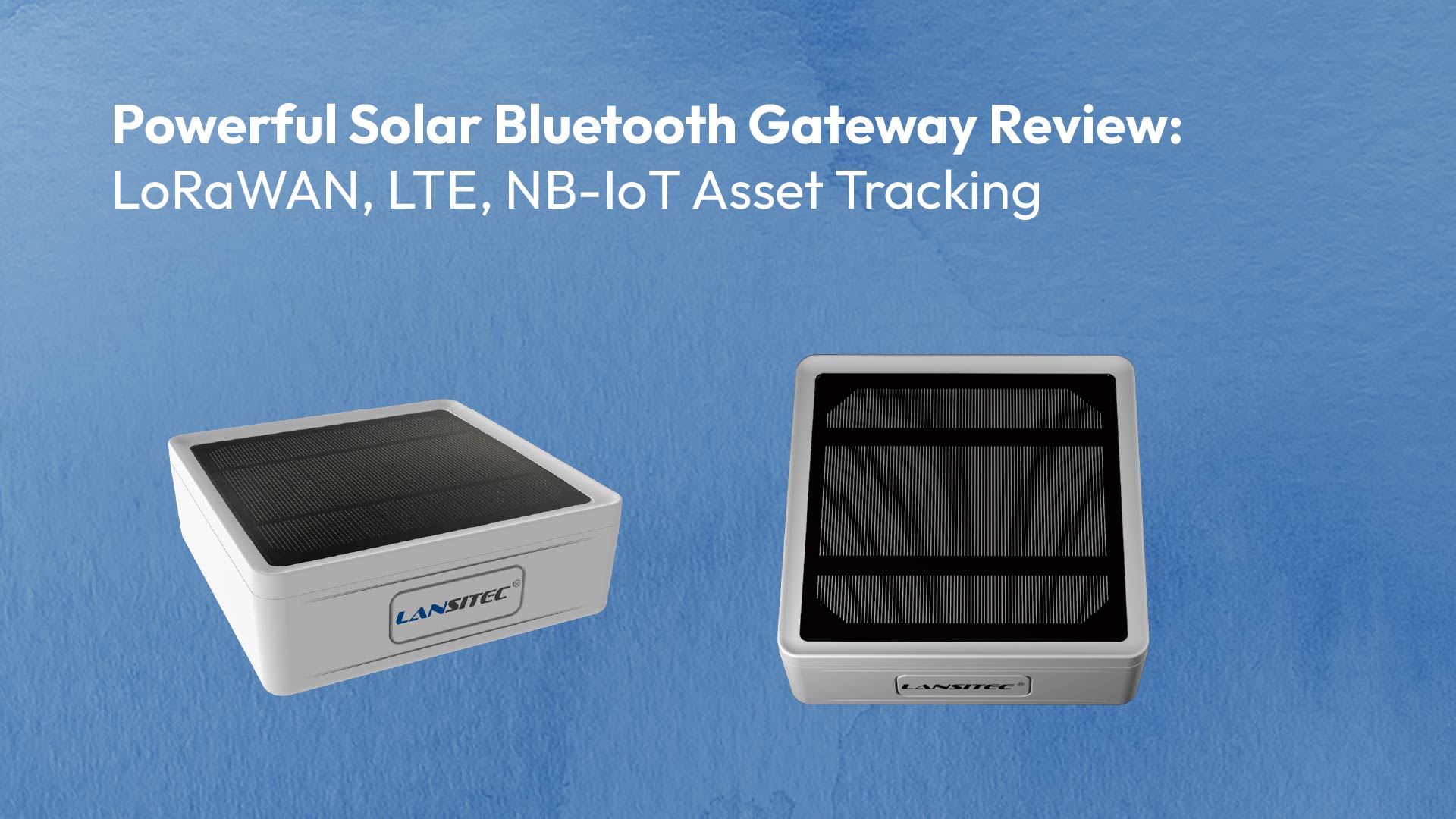
Let’s break down four real-world IoT use cases currently running live on the Helium Network:
4 Real-World IoT Use Cases on the Helium Network
- Asset Tracking for Logistics and Supply Chain Management: Companies like Invoxia and LoneStar Tracking leverage Helium’s LoRaWAN coverage to monitor the real-time location, temperature, and status of valuable shipments and assets across wide geographic areas. This enables efficient logistics, theft prevention, and improved supply chain transparency.
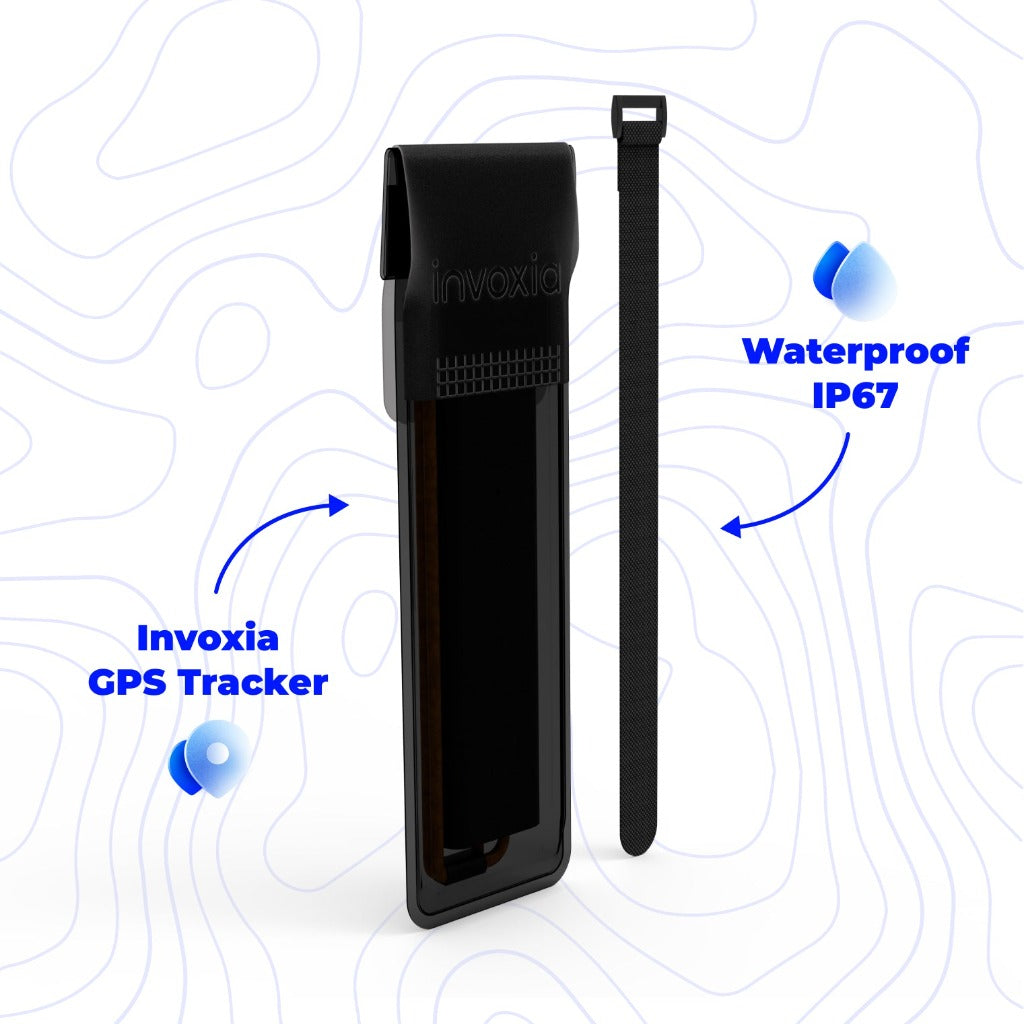
- Smart Agriculture Monitoring: Farms deploy Helium-connected soil moisture, weather, and livestock sensors—such as those from Digital Matter—to optimize irrigation, monitor animal health, and increase crop yields while reducing operational costs. This data-driven approach enhances resource efficiency and sustainability.

- Environmental Sensing in Smart Cities: Municipalities use Helium-powered air quality, noise pollution, and flood detection sensors, including solutions from Airly and Nesten, to enable data-driven urban planning and improve public safety. These sensors provide real-time insights for smarter, healthier cities.

- Remote Utility Metering: Utility providers utilize Helium-enabled water, gas, and electricity meters for automated remote readings in hard-to-reach or rural locations. This reduces manual labor costs and improves billing accuracy, streamlining operations for providers and customers alike.
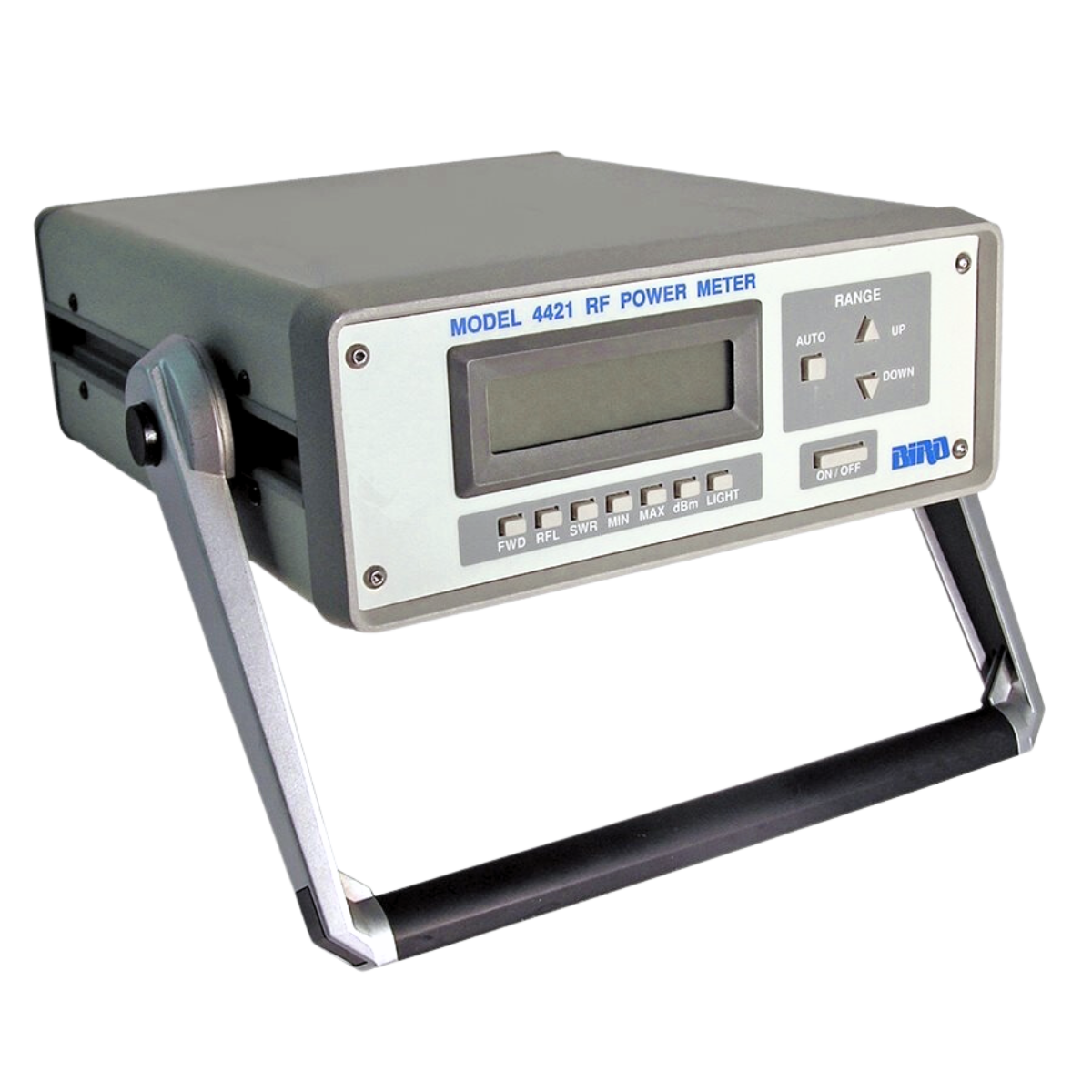
1. Asset Tracking for Logistics and Supply Chain Management
Companies like Invoxia and LoneStar Tracking are harnessing Helium’s LoRaWAN coverage to monitor high-value shipments across continents. By embedding GPS-enabled sensors into pallets, vehicles, or containers, businesses can track location, temperature deviations, shock events, or unauthorized access in real time. This granular visibility slashes theft risk and ensures regulatory compliance for temperature-sensitive goods such as pharmaceuticals or produce.
The decentralized model means trackers remain connected even in rural dead zones or at international borders where conventional cellular coverage fails - all at a fraction of traditional roaming costs. It’s a clear case of blockchain-powered infrastructure solving persistent pain points in global logistics.
2. Smart Agriculture Monitoring
Agriculture is undergoing a data-driven revolution thanks to affordable wireless sensors - and Helium-connected solutions by Digital Matter are at the heart of it. Farms deploy soil moisture sensors to optimize irrigation schedules, weather stations to predict frost events, and livestock tags to monitor herd health remotely. All of this data flows securely over the Helium network back to farm management dashboards.
The result? Higher crop yields with less water waste and reduced labor costs from automated monitoring. In regions where cellular coverage is patchy or prohibitively expensive for large-scale deployments, Helium’s community-built network offers an accessible alternative that brings precision agriculture within reach for smallholders as well as industrial farms.
3. Environmental Sensing in Smart Cities
Cities worldwide are deploying sensors from Airly and Nesten, connected via the Helium Network, to collect real-time data on air quality, noise pollution levels, flood risks, and more. These insights empower urban planners to make data-backed decisions - whether it’s adjusting traffic flows during smog alerts or dispatching crews proactively before flooding occurs.
The decentralized nature of Helium means municipalities can roll out dense sensor networks without relying on expensive telecom contracts or being locked into proprietary platforms. The result? More resilient cities that respond dynamically to environmental challenges while engaging citizens with transparent public data streams.
4. Remote Utility Metering
Utility companies are embracing the Helium Network for remote water, gas, and electricity metering, especially in hard-to-reach or rural areas where traditional connectivity is unreliable or cost-prohibitive. By leveraging Helium-enabled meters, providers can automate readings without dispatching field teams, slashing operational costs while improving billing accuracy and timeliness. This isn’t just about convenience; it’s about enabling a smarter grid that can quickly detect leaks, outages, or abnormal consumption patterns in real time.
For example, a water utility serving remote communities can deploy LoRaWAN meters that transmit usage data over the Helium network directly to their billing platform. No more manual reads, no more missed bills, just seamless data flow and better service delivery. As these deployments scale, expect decentralized wireless to become the backbone of next-gen utility infrastructure.
Why These Use Cases Matter Now
Each of these four use cases provides asset tracking for logistics, smart agriculture monitoring, environmental sensing in smart cities, and remote utility metering: demonstrates how decentralized wireless is not just a theoretical ideal but an operational reality. While network utilization is still ramping up and HNT currently trades at $2.55, the groundwork for mass adoption is being laid by real businesses solving real problems today.
The common thread? Decentralization unlocks new business models and cost efficiencies. Instead of relying on a handful of telecom giants with opaque pricing and patchy coverage, enterprises tap into a global community-powered network where anyone can contribute infrastructure, and anyone can benefit from improved connectivity.
The Road Ahead: From Early Adoption to Mainstream Impact
The Helium Network’s open architecture invites innovation across verticals, from agriculture to urban planning to utilities, while its blockchain-driven incentives ensure ongoing expansion and resilience. As more devices come online and enterprise adoption grows beyond early pilots, expect both data volume and HNT token utility to accelerate.
If you’re an investor eyeing DePIN wireless or a developer building IoT solutions that demand affordable global coverage, it’s worth watching how these use cases evolve as the network matures. The future of IoT connectivity isn’t locked behind closed doors, it’s being built in public on platforms like Helium.



No comments yet. Be the first to share your thoughts!